

Unraveling the Uganda Chimpanzee Civil War: A Deep Dive into Conservation and Conflict

Unraveling the Uganda Chimpanzee Civil War: A Deep Dive into Conservation and Conflict

Unraveling the Uganda Chimpanzee Civil War: A Deep Dive into Conservation and Conflict

Unraveling the Uganda Chimpanzee Civil War: A Deep Dive into Conservation and Conflict

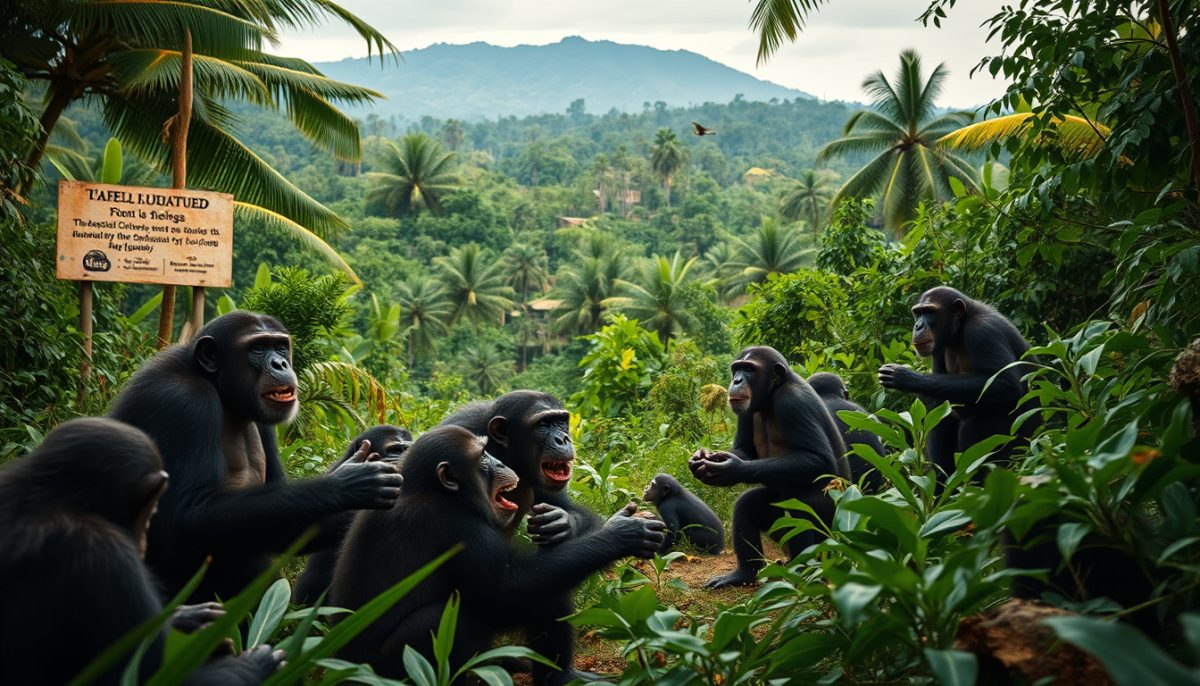
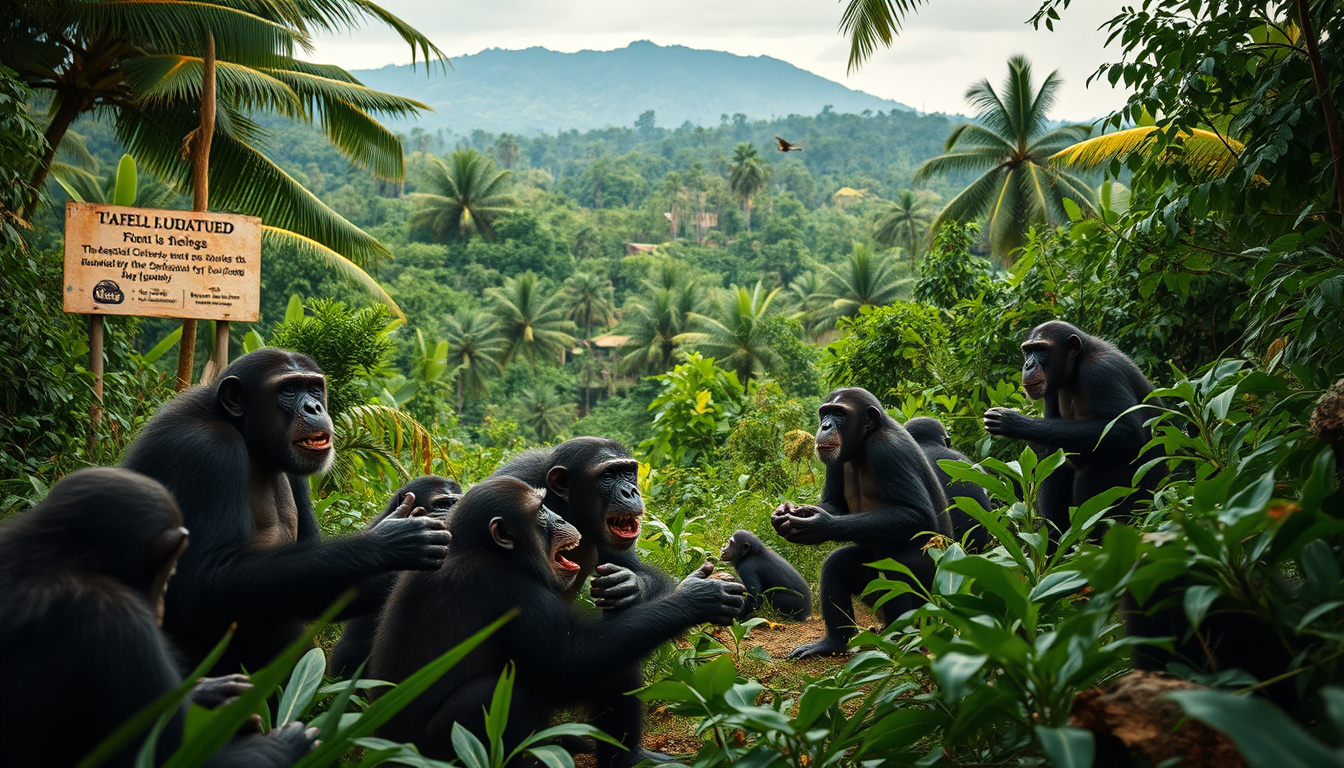
Imagine a lush, green landscape punctuated by echoes of distant primate calls, where conflicts brew not just between humans but also among our closest relatives—the chimpanzees.

The phenomenon known as the Uganda Chimpanzee Civil War unfolds in a world where survival often collides with the needs of conservation and human interference.

This article will unravel the complexities of this intricate conflict, exploring how various factors have shaped the lives of both chimpanzees and the ecosystems they inhabit.

From historical roots to modern conservation strategies, we will journey into the heart of Uganda’s rich biodiversity, gaining insights into ongoing efforts to protect a species caught in the crossfire of human ambition and natural instinct.
Unraveling the <b><noscript><img class="lazyload" src=

Key Players Involved in the War

Key Players Involved in the War

## Key Players Involved in the Uganda Chimpanzee Civil War
The Uganda chimpanzee civil war, while often overshadowed by human conflicts, highlights an intricate web of interactions among various stakeholders in the preservation and conservation of both wildlife and human communities.

At the forefront are the Ugandan government and various conservation organizations that fight to protect the country’s rich biodiversity, including its renowned populations of chimpanzees.

Local communities play a significant role too, as their livelihoods are tightly interconnected with the surrounding natural resources, leading to conflicts over land use and environmental protection.

Various militant groups and poachers also emerge as critical players, driven by economic incentives that threaten wildlife habitats.

Even global entities such as international NGOs and tourism organizations impact the landscape through funding and advocacy, aiming to reconcile human interests with wildlife preservation.

Moreover, the chimpanzees themselves are profound symbols of this struggle; their plight underscores the interconnectedness of ecological and societal health, making them vital players in the narrative of conservation versus conflict in Uganda.

As we explore these dynamics, it becomes evident that the ‘war’ extends beyond mere human interactions, encapsulating a broader battle for ecological sustainability in the face of sociopolitical upheaval.

Impact on Chimpanzee Populations and Biodiversity

## Impact on Chimpanzee Populations and Biodiversity

The Ugandan civil war, which raged from the late 20th century, marked a tumultuous period with far-reaching consequences for the nation’s wildlife, particularly its chimpanzee populations.

As political instability took hold, poaching became rampant, fueled by the decreased capacity for law enforcement and conservation initiatives.

Guerrilla warfare often encroached on natural habitats, leading to deforestation and the fragmentation of ecosystems crucial for chimpanzees’ survival.

With their homes and food sources disrupted, chimps faced a struggle not only against human conflict but also against the loss of biodiversity.

This loss reverberated through the ecosystem, diminishing plant species they rely on and affecting the broader spectrum of wildlife in Uganda.

The resulting disturbances have posed a serious risk to their population numbers, making it essential for conservationists and ecologists to understand how these socio-political factors intertwine with environmental health.

Fixing these complex layers offers a tangible opportunity to restore balance and revive chimpanzee populations, emphasizing the intricately linked nature of peace, biodiversity, and wildlife preservation.

Conservation Efforts Amidst Conflict

Conservation Efforts Amidst Conflict

## Conservation Efforts Amidst Conflict

The rugged landscapes of Uganda, renowned for their stunning biodiversity and captivating wildlife, have not only been the backdrop for incredible adventures but have also witnessed the harsh realities of human conflict, particularly during the civil wars of the late 20th century.

The Uganda chimpanzee civil war era created unforeseen challenges for conservation efforts aimed at protecting these remarkable primates.

With war tearing through local communities and national parks, wildlife poaching rates surged, and conservation areas often fell victim to destruction and neglect.

Reserves that once thrived with biodiversity became battlegrounds, and forests that sheltered thriving chimpanzee populations were encroached upon as people sought to survive amidst the chaos.

Despite these daunting challenges, dedicated conservationists and local organizations began to rise, promoting innovative approaches to safeguarding Uganda’s chimpanzees, even during times of strife.

Collaborations between NGOs, local communities, and the government aimed at rebuilding the foundation of wildlife protection were established.

Notably, grassroots initiatives were launched to engage local populations in conservation efforts, stressing that protecting chimpanzees also meant preserving their own livelihood and cultural heritage.

Educational programs, supported by organizations like the Jane Goodall Institute, aimed to instill a sense of guardianship for the natural environment among locals, fostering a harmonious coexistence between humans and wildlife.

The resilience of Uganda’s wildlife managers and the commitment of local communities demonstrated that even in the face of adversity — be it from conflict or climate change — dedicated conservation efforts can address the challenges posed by the past.

Today, Ugandan national parks, such as Kibale and Bwindi, stand as testaments to this resilience.

They are not just vital habitats for the endangered chimpanzee populations, but also potential hotspots for ecotourism, inviting travelers from around the globe to witness their magnificence in the wild.

As tourism flourishes, contributing directly to the economy of local communities, it creates a powerful, sustainable model for conservation that underscores the importance of these incredible creatures in Uganda’s rich ecological tapestry.

A Path Forward: Collaborative Solutions for Peace and Preservation

# Uganda Chimpanzee Civil War: The Intersection of Conflict and Conservation

## A Path Forward: Collaborative Solutions for Peace and Preservation

In the heart of Africa, where lush jungles cradle some of the world’s most captivating wildlife, the plight of Uganda’s chimpanzees stands intertwined with the nation’s history of civil strife.

As armed conflict leaves indelible scars on human society, it similarly impacts the fragile ecosystems that support life.

This narrative unfolds the dual tragedies of Uganda’s civil wars and the conservation of its chimpanzees, urging us toward collaborative solutions that honor both human and animal welfare.

The Uganda chimpanzee civil war refers to not just one single conflict, but a series of violent events that took place over decades, deeply affecting the communities and the wildlife in Uganda.

From the ruthless regimes that overshadowed the country’s governance to the economic hardships borne out of warfare, the chimpanzees that make their home in Uganda’s forests have endured adverse conditions that threaten their survival.

The relationship between human conflict and wildlife conservation is complex and multilayered; each exacerbates the other in ways that require innovative, collaborative approaches.

In many instances, the dire socio-economic conditions generated by civil wars result in increased poaching and habitat destruction.

As communities struggle to survive, illegal hunting often becomes a means of sustenance.

Chimpanzees, our closest relatives, face extinction as their habitats are ravaged and families are torn apart.

Yet amid this desolation, there lies hope—a potential path forward through peacebuilding and cooperation between local communities and conservationists.

Building Bridges: Community Engagement in Conservation

Collaboration is a vital strategy for reaffirming the indomitable connection between nature and humanity.

Effective conservation strategies in Uganda involve engaging local populations, who are not only the custodians of these biodiverse ecosystems but also its greatest advocates.

By prioritizing educational programs that emphasize the ecological importance of chimpanzees, communities can transform their perception from viewing the animals as mere victims of human conflict to recognizing them as invaluable partners in promoting a sustainable future.

Moreover, conservation programs need to promote economic opportunities that align the well-being of local communities with wildlife preservation.

Eco-tourism, exemplified by organizations like Bushman Safaris, can create lucrative avenues for locals.

A percentage of each tour booked contributes to community projects, empowering inhabitants while ensuring the safety of their non-human counterparts.

The cycle of poverty that fuels poaching can thus be broken.

Innovative Conservation Strategies: Leveraging Technology for Peace

In conjunction with grassroots efforts, innovative technological solutions play a pivotal role in shaping a collaborative future.

Drones, camera traps, and bioacoustic monitoring have revolutionized the ways conservationists can protect chimpanzees in the wild.

By integrating technology with local knowledge, we can develop more precise and effective conservation strategies capable of identifying poaching hotspots, thus allowing for targeted interventions by park rangers.

Creating a comprehensive database that logs chimpanzee populations can also significantly enhance monitoring efforts.

This not only aids in tracking health and familial structures of chimpanzee groups but also equips conservationists with necessary data to advocate for policy changes that benefit both wildlife and humans.

Forging Alliances: Uniting Stakeholders for a Common Goal

Finally, bringing together various stakeholders—government bodies, NGOs, local communities, and international organizations—can catalyze significant conservation efforts.

Through initiatives that facilitate dialogue and improve transparency, these collaborations can yield policies that foster peace and preservation.

For instance, utilizing shared success stories of conservation efforts can inspire other regions affected by war to adopt similar frameworks.

By demonstrating the tangible benefits of preserving chimpanzee populations, we also highlight the broader ecological benefits—such as improved biodiversity and ecosystem services—that resonate beyond Uganda’s borders.

Conclusion: A Shared Future for Humanity and Nature

In the intertwined stories of Uganda’s people and chimpanzees, we find not just a narrative of loss, but one of resilience and potential.

The path forward necessitates collaborative solutions marrying peacebuilding with wildlife preservation efforts.

It’s a shared journey where humans and nature not only coexist but thrive together, driven by mutual respect and understanding.

As you ponder these interconnected lives, consider what it would mean to experience the solitude of a dense Ugandan forest and catch a glimpse of chimpanzees swinging through the trees.

Want to experience this in the wild?

You can request our top chimpanzee tracking experiences in Uganda by messaging ‘chimpanzee’ to info@bushmansafaris.com or +256 704
902398.

Let us forge a future where humanity stands as a steward for the wildlife we cherish.

Frequently Asked Questions

What is the Uganda Chimpanzee Civil War?

The Uganda Chimpanzee Civil War refers to the ongoing conflict between different groups over the conservation of chimpanzee populations in Uganda, including clashes between local communities, conservation organizations, and governmental policies.

What are the historical roots of the conflict?

The historical roots of the Uganda Chimpanzee Civil War stem from a combination of socio-economic challenges, land-use conflicts, and the varying interests of local communities, conservationists, and the government in managing natural resources.

Who are the key players involved in this conflict?

Key players include local communities who rely on land for agriculture, conservation NGOs advocating for chimpanzee protection, the Ugandan government, and international organizations focused on biodiversity and environmental sustainability.

How has the war impacted chimpanzee populations and biodiversity?

The conflict has led to habitat destruction, poaching, and significant stress on chimpanzee populations, resulting in a decline in their numbers and threatening the overall biodiversity of the region.

What conservation efforts are being made to address this conflict?

Conservation efforts are focused on collaborative solutions that involve engaging local communities in sustainable practices, implementing educational programs, and fostering partnerships between stakeholders to promote both wildlife preservation and community development.

If this story sparked your curiosity, you can experience it firsthand.

Bushman Safaris offers curated chimpanzee tracking experiences in Uganda, including access to Kibale National Park and the Ngogo region where these remarkable behaviors have been observed.

For our top 3 recommended Uganda chimpanzee tours, simply text “chimpanzee” to info@bushmansafaris.com
or WhatsApp +256 704 902398, and we’ll send you tailored options based on your travel preferences.

Share This Post