
Exploring the Intricate Dance of Animal Conflict and Human War: A Deep Dive
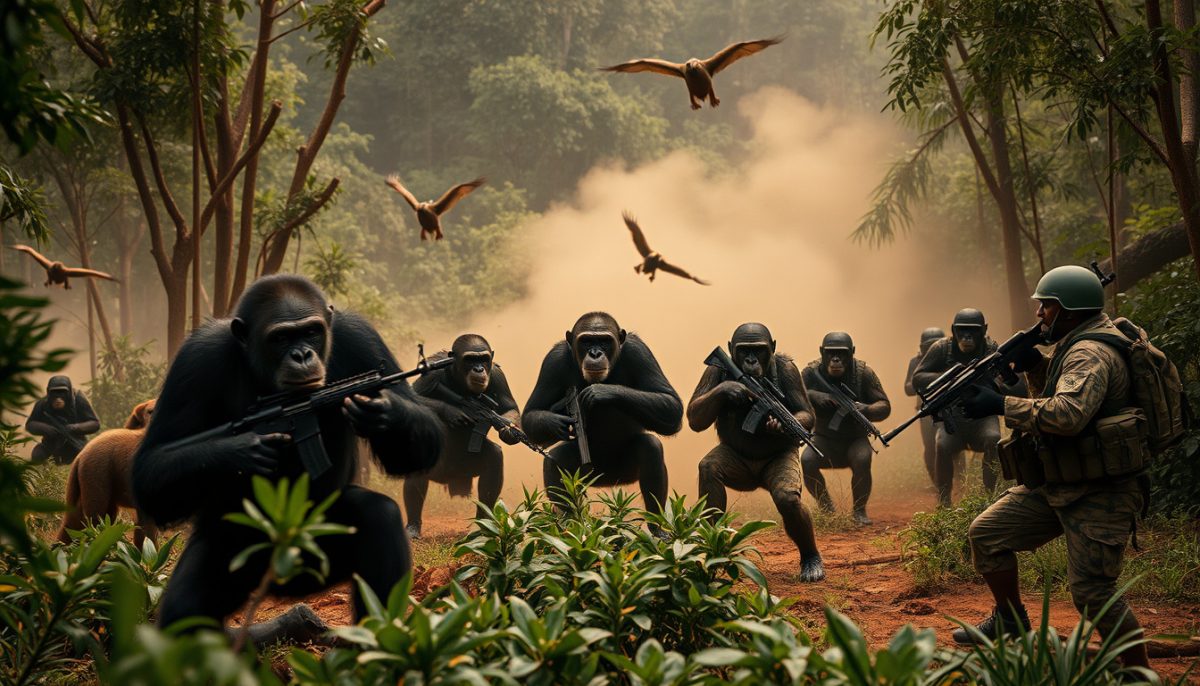
In a world where survival often hinges on the balance of power, the realm of animal conflict and the theater of human war present a dramatic clash of its own. Imagine a pack of wolves howling at the moon, their piercing cries echoing through the night, or the battle cries of soldiers in the heat of conflict — both driven by the primal instincts of survival, territory, and dominance.
This intriguing exploration seeks to unravel the threads that interweave the instinctual battles of the animal kingdom with the complex motivations behind human warfare.
What can we learn from these clashes of worlds?
How do the rules of engagement differ between species and societies, and what unexpected parallels can we draw from the behaviors exhibited?
Join us on a journey through the wild, where animal conflict meets human war, revealing a tapestry rich with lessons about our existence.
Key Takeaways
- Animal conflicts are driven by survival instincts, territory, and resources.
- Human wars often stem from power, ideology, and economic interests.
- Both animal conflicts and human wars can lead to significant consequences for populations and ecosystems.
- Strategies in animal conflicts can mirror tactics used in human warfare, highlighting a shared need for tactical advantage.
- Understanding the parallels between animal behavior and human warfare can offer insights into conflict resolution and coexistence.
Introduction to Animal Conflict and Human War
Animal conflict vs human war has emerged as a captivating topic of study, revealing striking parallels and notable distinctions between the two forms of aggression. At first glance, one might dismiss animal conflict as a natural instinct driven by factors like survival, territorial disputes, or mating rights.
Meanwhile, human war is often viewed through the lens of culture, politics, and ideology, driven by complex socio-economic factors. Yet, both scenarios reflect deeper instincts rooted in survival, hierarchy, and territoriality. In the wild, animals engage in battles that can be brutal and lethal, just as humans do, but the motivations often diverge, leading to unique outcomes.
To fully grasp the implications of this comparison, we must delve deep into both realms, examining the intricate dynamics of animal behavior and the socio-political structures that govern human warfare.
The Nature of Animal Conflicts: Causes and Examples
When we think of conflict, our minds often jump straight to the devastating wars that shape human history. However, animal conflict shares intriguing similarities with human war, weaving a rich tapestry of survival and dominance in the natural world.
Understanding how animal conflict plays out can shed light on the underlying causes, illustrating how competition for resources and survival instincts govern not just our actions, but those of the animal kingdom as well.
## The Nature of Animal Conflicts: Causes and Examples
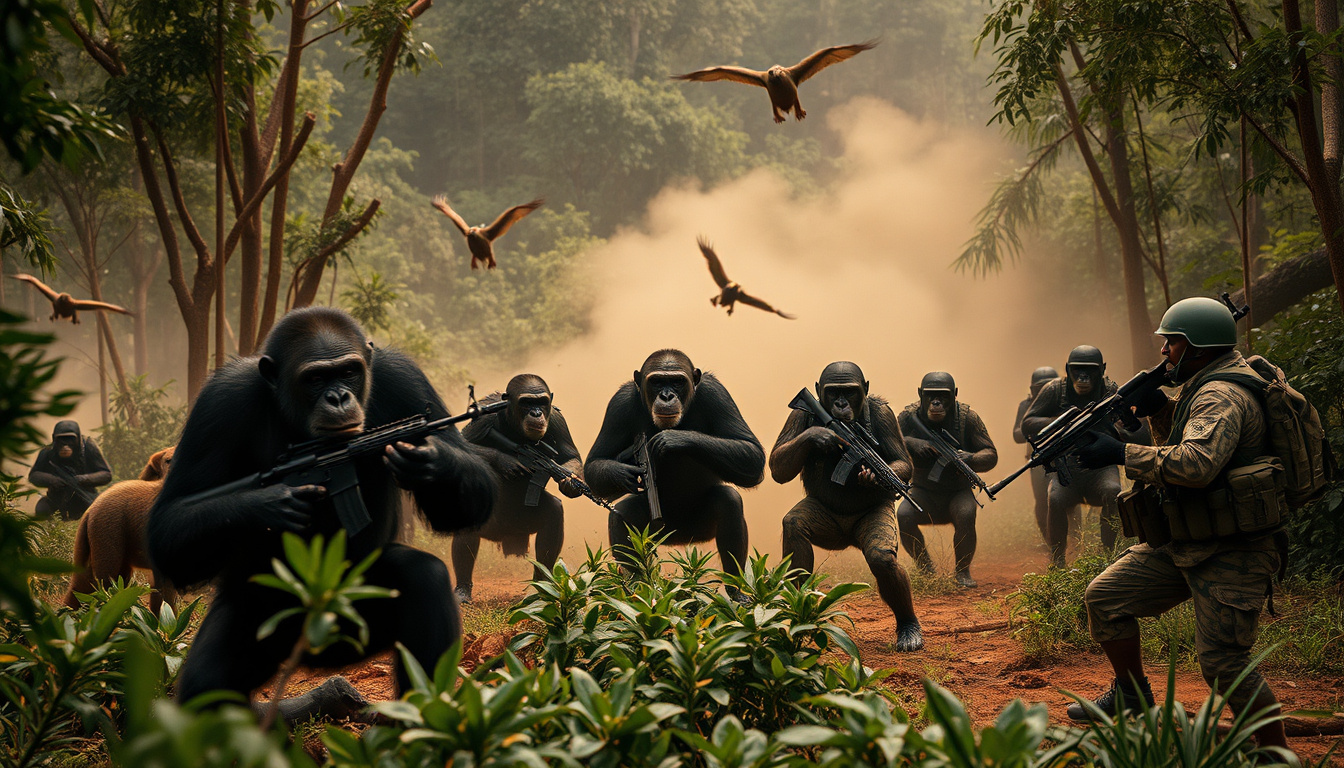
At its core, animal conflict arises from competition—whether for food, territory, or mates—driven by the instinctual need to survive and reproduce. For example, many species of primates, such as chimpanzees, engage in territorial battles to secure feeding areas, which often leads to aggressive confrontations.
Similarl