
Exploring Animal Dominance Hierarchies: Unveiling Social Structures in the Wild
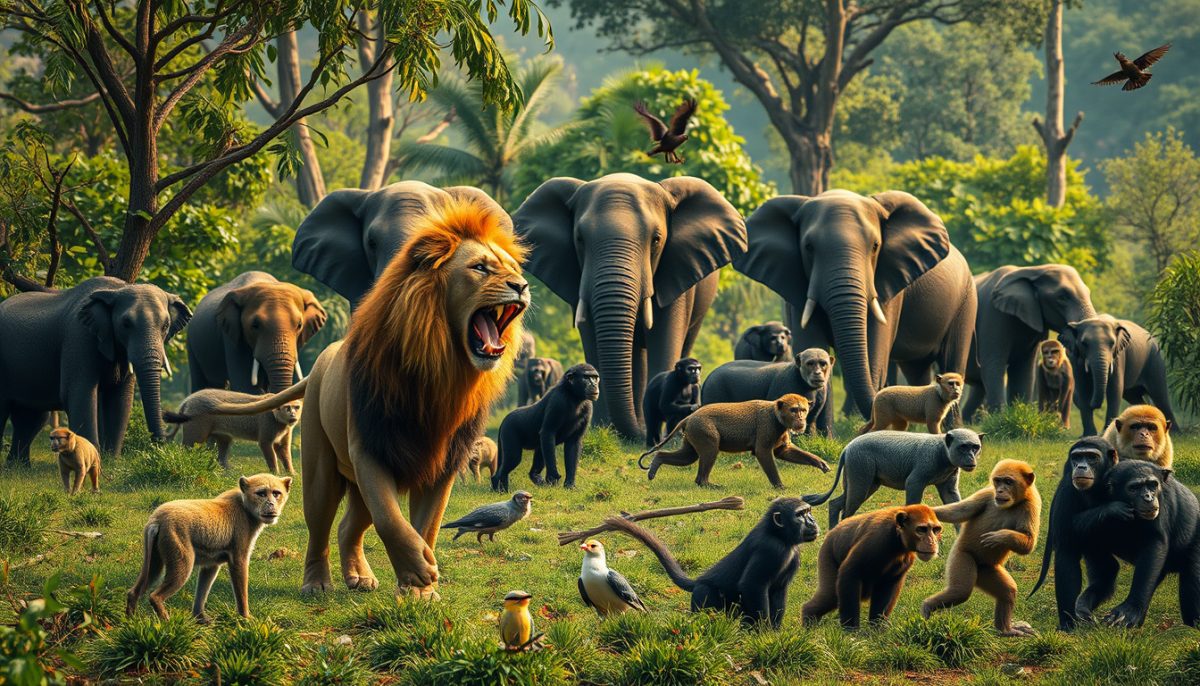
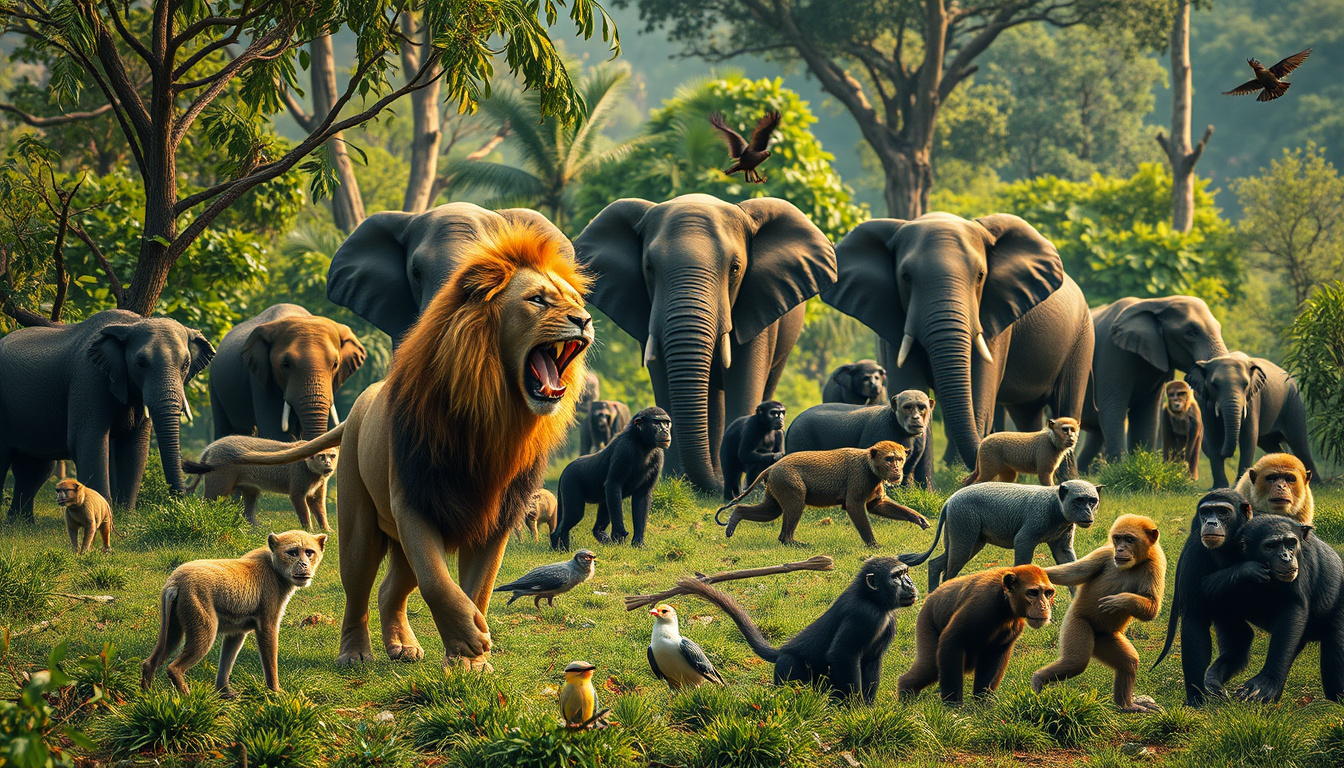
As the sun peeks through the thick canopy of the Amazon rainforest, a curious tableau unfolds: a troop of monkeys leaps gracefully between branches, while a dominant male stands sentinel over his group, displaying strength and authority. This scene not only captures a captivating moment of nature; it also reveals the intricate world of animal dominance hierarchies—a key element of social structure in the animal kingdom.
From the powerful lions’ prides to the organized ranks of worker ants, understanding these hierarchies provides deep insights into behavioral ecology, evolutionary strategies, and ecosystem balance.
Join us as we dive deep into the fascinating world of animal dominance hierarchies, exploring their significance, influences, and diverse roles across species.
Key Takeaways
- Animal dominance hierarchies are crucial for understanding social structures in various species.
- These hierarchies significantly affect resource allocation and mating opportunities within animal communities.
- Factors such as size, age, and aggression influence an animal’s rank in the dominance hierarchy.
- Case studies show that different species exhibit unique dominance characteristics, reflecting their ecological needs.
- Understanding these hierarchies can inform conservation strategies and enhance animal welfare practices.
The Intricacies of Animal Dominance Hierarchies
In the heart of Uganda’s lush rainforests and extensive national parks, a complex narrative unfolds—the multifaceted world of animal dominance hierarchies.
These hierarchies, defined by organized social rankings among species and within groups, play a critical role in animal behavior and survival strategies.
From the playful antics of chimpanzees to the commanding presence of gorillas, these hierarchies provide profound insights into social dynamics, reproductive tactics, and communication methods.
As animals navigate their environments and communities, they portray a balance of power, cooperation, and competition, inviting us to explore the evolutionary framework shaping their lives.
Dive into the intriguing realm of animal dominance hierarchies, revealing fascinating insights into wildlife behavior and the natural world.
The Importance of Dominance in Animal Societies
Dominance is a key element in the intricate web of animal societies, shaping behavior, social structures, and interactions.
At the core of this dynamic is the concept of animal dominance hierarchies, an organized system defining social standing within groups.
Observed in species ranging from majestic elephants to playful chimpanzees, these hierarchies foster stability and order, helping animals navigate complex social landscapes while minimizing conflict.
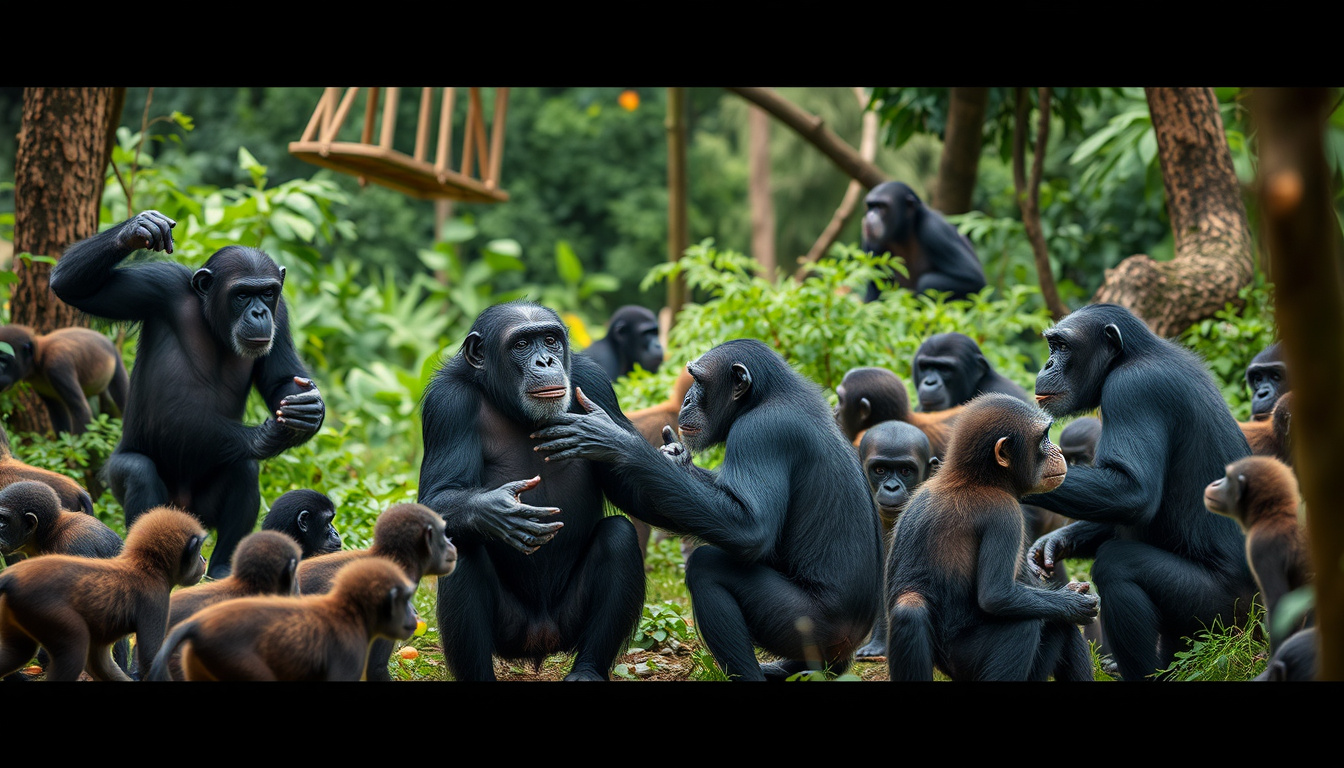
For example, in a chimpanzee troop, the alpha male controls the group through strength and social intelligence, ensuring access to resources and mates. This system affects not only leaders but also subordinates, who learn their roles through observation and interaction.
Hence, understanding animal dominance hierarchies is vital for interpreting the natural world and the evolutionary strategies essential for species survival.
‘Nature is not a place to visit. It is home. We are a part of it; we are the earth and the earth is us.’ – Gary Snyder
Factors Influencing Dominance Hierarchies
In the animal kingdom, dominance hierarchies significantly impact social structures and behaviors.
Understanding what influences these hierarchies can provide deep insights into the dynamics of animal interactions.
Genetics plays a pivotal role, with some species naturally predisposed to establish dominance, reflecting their evolutionary background. For instance, in primate groups, alpha males often possess traits enhancing their physical strength or social intelligence, easing their dominance assertion.
Age also shapes hierarchies; older animals usually gain respect due to their experience, while younger ones typically hold lower status. Resource availability is another crucial factor, as resource scarcity heightens competition and hierarchies become more pronounced.
Social behaviors like grooming or forming alliances also influence dominance. Engaging in reciprocal altruism can help secure allies that support an individual’s position in the group. Bonding behaviors foster relationships that mitigate aggression and maintain stability within the hierarchy.
Additionally, environmental changes or the introduction of new individuals can disrupt existing hierarchies, initiating re-evaluation and competition.
Understanding these complex influences unveils the intricacies of animal social systems and the balance of power within communities.
Case Studies: Dominance Hierarchies in Different Species
Animal dominance hierarchies are observed in numerous species, illustrating how authority is established and maintained within groups.
Explore compelling case studies that illuminate the varying manifestations of these hierarchies across different species.
### 1. Wolves: The Alpha Pair
The grey wolf (Canis lupus) showcases a typical dominance hierarchy through its pack structure. Alpha males and females lead the group, making crucial decisions about hunting and territory defense. This alpha pair maintains their status through social behaviors like grooming, posturing, and vocalizations. However, recent studies suggest a shift from the traditional alpha concept towards a more nuanced understanding where cooperation and social bonds are crucial to pack dynamics. The hierarchy can change based on factors like age, health, and alliances within the pack, highlighting a blend of dominance and social cooperation.
### 2. Chimpanzees: Complex Social Networks
Chimpanzees (Pan troglodytes) represent another intricate example of dominance hierarchies. Their social structures are deeply rooted in relationships, where individuals establish and negotiate ranks through various means, including grooming, alliances, and displays of aggression. The fluid nature of their hierarchies is evident in how lower-ranking chimps may form coalitions to challenge a dominant figure, showing that power can shift based on social dynamics. In this context, the dominance hierarchy is not just about aggression but also about social intelligence and strategic relationships.
### 3. Cuttlefish: Fluid Hierarchies
The cuttlefish (Sepia spp.) displays a unique form of dominance hierarchy that is not fixed. Male cuttlefish may change their coloration and body posture to display dominance or submission during mating competitions. This ability allows for a fluid hierarchy that can momentarily change based on the presence of other males or females in the environment.
### 4. Domesticated Animals: Variability in Hierarchies
Domesticated animals, like dogs (Canis lupus familiaris), exhibit hierarchies influenced by their environment and training. Social structures vary significantly based on factors like breed, upbringing, and human interaction. Some dogs may adopt more dominant roles within a household, but this dominance often reflects learned behaviors rather than instinctual hierarchy.
### Conclusion
These case studies highlight that animal dominance hierarchies vary widely in complexity and function across species. From the rigid social structures of wolves and the intricate networking of chimpanzees to the adaptable hierarchies of cuttlefish and domesticated animals, the study of these hierarchies offers profound insights into behavioral ecology and the evolution of social structures in the animal kingdom.