
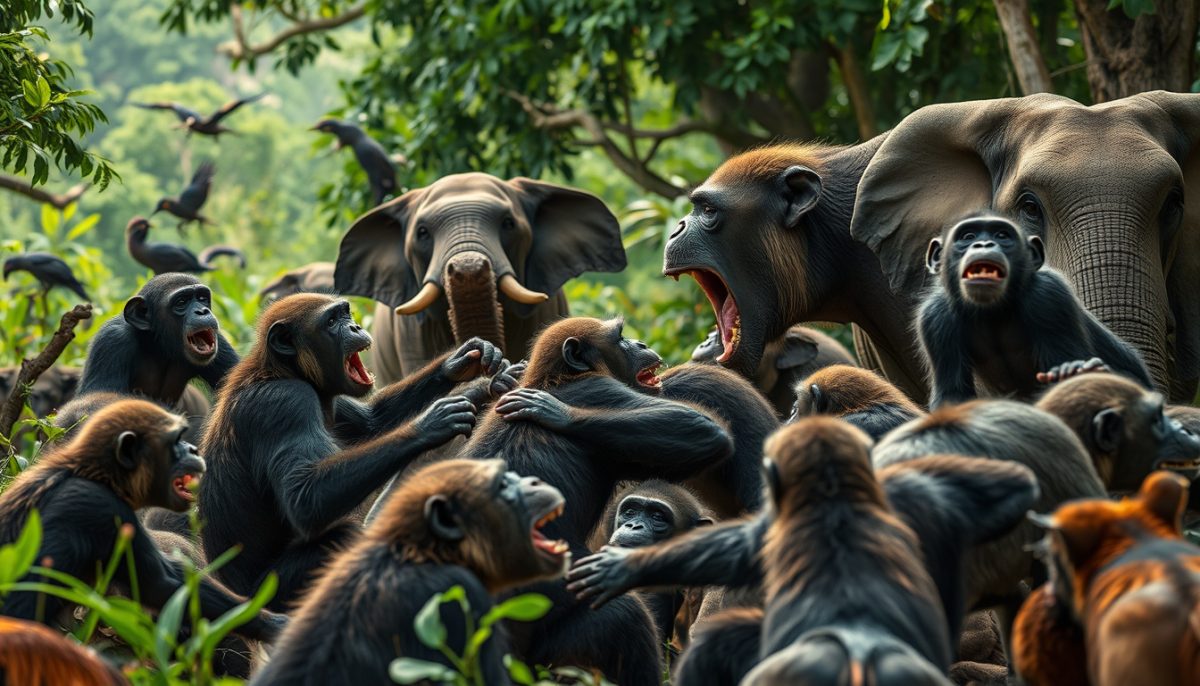
Exploring Animal Group Conflict: Fascinating Examples from the Wild
In the wild, animal group conflicts often hinge on both cooperation and struggle. This fierce interaction is a natural way of life in different environments.
Nature’s battlefield showcases gripping narratives of animal group conflicts, where clashing instincts lead to both extraordinary displays of aggression and profound social developments.
From the fierce territorial defenses of birds to the strategic battles waged by mammal clans, understanding these conflicts unveils intricate survival layers in the animal kingdom and provides lessons on social behavior.
These animal group conflict examples will take you on an exhilarating journey through primal instincts shaping life in the wild, unveiling the raw beauty that ensues when groups vie for dominance and resources.
Key Takeaways
- Animal group conflicts are influenced by social structures within species.
- Mammals often engage in conflicts over territory and resources.
- Birds frequently exhibit territorial disputes leading to aggressive encounters.
- Reptile aggression manifests during mating seasons and resource competition.
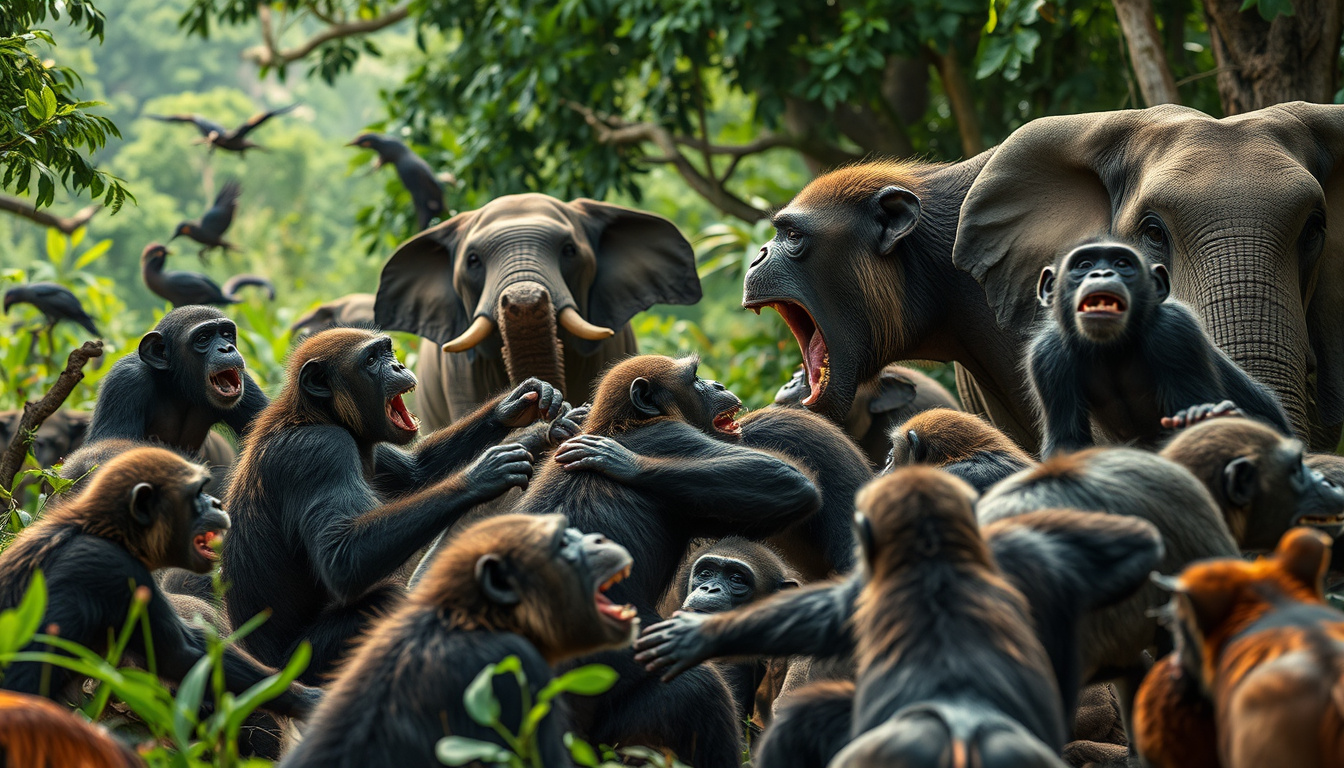
- Studying these conflicts offers insights into social behaviors and survival strategies.
The Intricacies of Animal Group Conflicts
In the tangled web of nature, animal group conflicts unfold in captivating and curiosity-provoking ways.
Envision a vivid savannah scene where competing wildebeest herds clash over territory or a fierce pack of wolves confronts rivals.
These instances of conflict highlight the inherent survival struggles and complex social dynamics within animal communities. From chimpanzees to territorial disputes among lions, wildlife is filled with animal group conflict examples that illustrate raw instincts governing their interactions.
This exploration unveils how conflicts shape dynamics, influence ecosystems, and affect the survival strategies of various species.
The Importance of Social Structure in Animal Groups
In the intricate tapestry of the animal kingdom, social structure is pivotal in shaping population behavior and interactions.
Animal groups, from wolf packs to primate troops, show dynamics fueled by hierarchies, partnerships, and conflicts.
For instance, in chimpanzee communities, tensions over dominance and mating rights can lead to aggressive displays, while lion conflicts may arise within prides as males vie for control.
These examples show that social group structures not only shape behavior but also impact overall stability and success in their respective environments.
Understanding these conflicts unveils the competitive nature of animal societies and reflects on human behaviors, showing how deeply these patterns are rooted in our evolutionary paths.
‘In the animal kingdom, the fight for survival often leads to unexpected alliances and conflicts, reminding us that unity can be as formidable as division.’
Animal Group Conflict in Mammals
In the intricate dynamics of mammalian societies, we uncover a tapestry of interactions shaped by both cooperation and conflict.
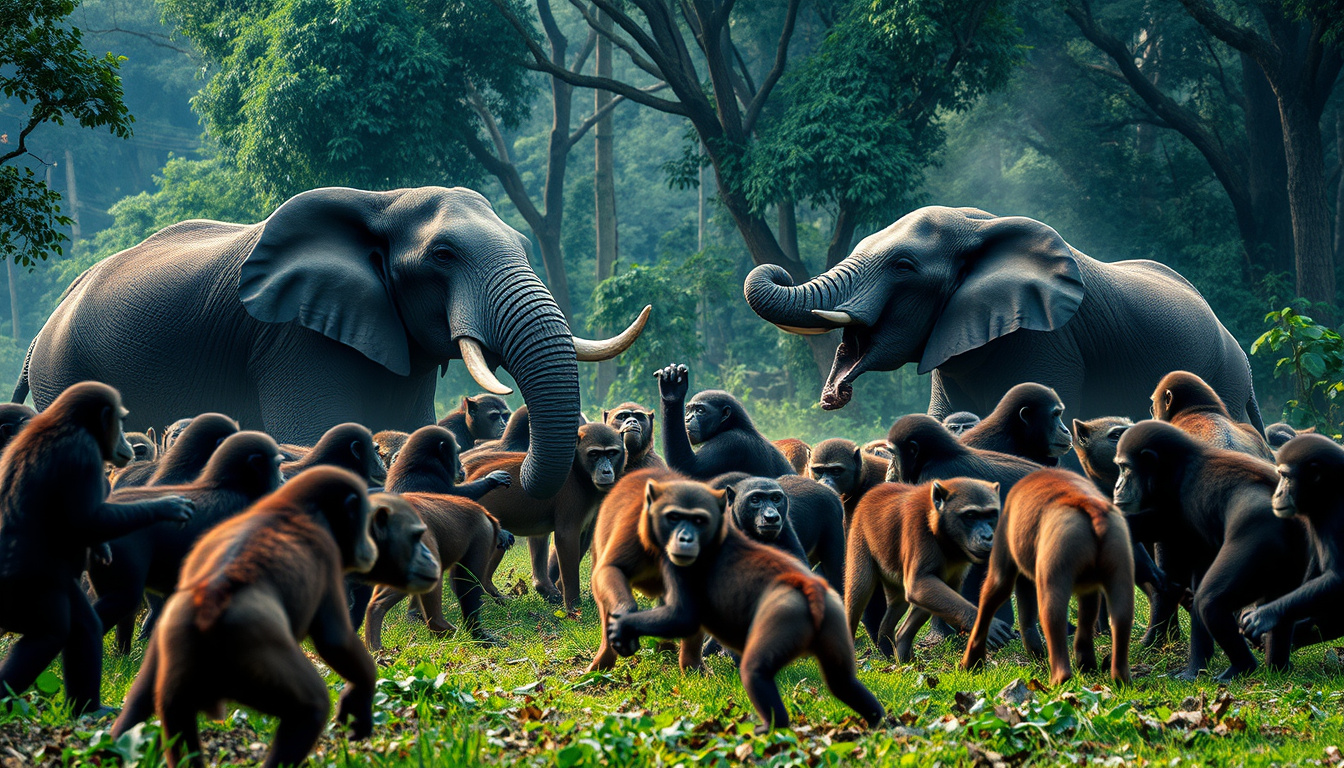
Animal group conflict examples among mammals reveal the complexities of their social structures. African elephants, for example, face skirmishes over territory, with matriarchs leading confrontations against rival herds.
Similarly, chimpanzees engage in disputes asserting dominance, while in oceans, bottlenose dolphins show aggression during mating disputes and territory defenses.
Each example underscores how cooperation and conflict within mammalian groups influence their survival and reproductive success.
Birds and Their Territorial Disputes
In the vibrant bird ecosystem, territorial disputes serve as fascinating examples of animal group conflicts.
Bird species like male songbirds engage in vocal battles to establish dominance, while others, such as the hooded crow, involve in disputes over feeding grounds with strategies to intimidate rivals.
These animal group conflict examples highlight survival instincts and complex social structures, showing how competitive nature pushes species to develop strategies for harmony within their groups and repelling outsiders.
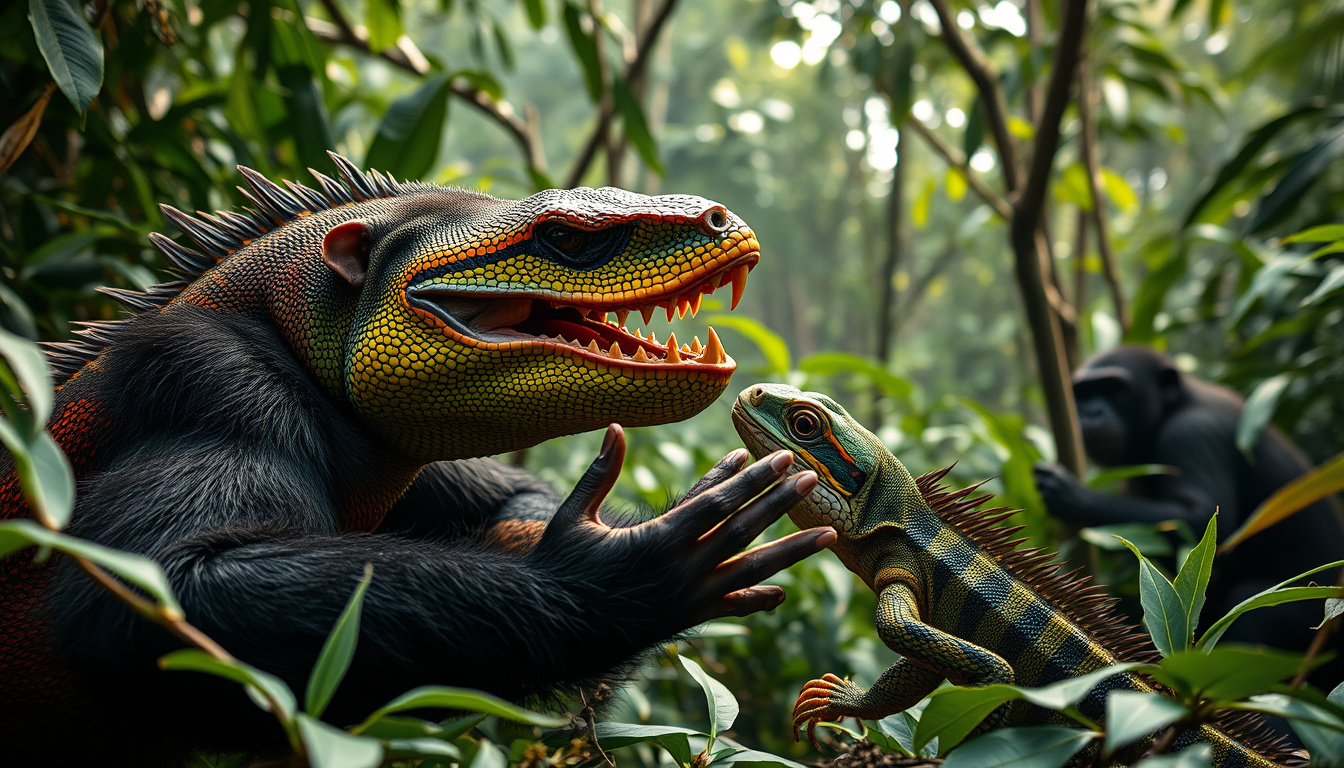
Reptiles and Aggressive Encounters
Among the vast diversity of life, reptiles exhibit remarkable behaviors, particularly during confrontations.
In the American alligators, for example, territorial disputes see males fiercely defending their turf, engaging in physical combat to assert dominance.
Similarly, Komodo dragons demonstrate aggressive territoriality when feeding, sometimes resulting in cannibalistic interactions.
Such animal group conflict examples reveal survival instincts that dominate reptilian interactions, influencing population dynamics and evolutionary strategies of these remarkable reptiles.
Conclusion: Lessons from Animal Group Conflicts
Exploring animal group conflict examples offers insights into animal kingdom dynamics and teaches valuable lessons applicable to human interactions.
From lions’ rivalries over leadership roles to chimpanzees’ conflicts for dominance, these examples show the importance of hierarchy and social structure. They reflect our own societal behaviors where resource access and power dynamics influence relationships.
These dynamics underscore the necessity of cooperation and communication in resolving conflicts, inspiring us to foster understanding and connection in our human interactions.