

Unveiling the Evolution of Violence in Animals: Insights into Nature’s Survival Strategies
In the wild, where the rustle of leaves and distant calls of predators set the stage, violence emerges as an essential part of the survival narrative. The battle for life unfolds with themes of aggression, competition, and dominance deeply ingrained.
The animal violence evolution isn’t just a spectacle; it’s a crucial adaptation that has been shaped over millennia to ensure species’ continuity. This article explores the dark yet fascinating world of animal aggression, from apex predators to their prey, and the complex social interplays within animal communities.
Delving deeper into the evolution of violence in animals may not only shift our views on wildlife but could also offer important insights into humanity’s own struggles with aggression and social dynamics.
Key Takeaways
- Animal violence is vital in the evolutionary processes shaping survival strategies.
- The biological basis of aggression in animals is influenced by genetic and environmental elements.
- Predators exhibit evolved forms of violence to enhance their hunting efficiency.
- Social structures in the animal kingdom significantly impact competitive behaviors and aggression.
- Human activities are modifying patterns of violence in wildlife, influencing their evolution and ecology.
Introduction to Animal Violence and Evolution
In nature, life often presents as a gripping drama filled with tension, conflict, and raw emotion. The evolution of violence in animals captivates both the scientific community and those with a keen interest in natural history.
From the ferocious territorial disputes of lions to the complex social orders of chimpanzees, exploring the origins of aggression in the animal world offers remarkable insights into survival. These behaviors, crucial for reproduction and feeding, display a rich narrative woven through natural selection.
In this exploration, we delve into how primal instincts have shaped different animal species and what lessons they might offer about behavior evolution itself.
The Biological Basis of Aggression in Animals
Nature’s beauty, from lush landscapes to intricate wildlife behaviors, often masks a complex narrative: the animal violence evolution.
Aggression can be mystifying, especially considering its deep evolutionary roots. Understanding this phenomenon across different species sheds light on their survival strategies, linking them closely not only to each other but also to us.
Here, we explore how competition for resources and reproductive advantages drives these aggressive behaviors, revealing an intricate dance of life intertwined with survival instincts across species.
‘Violence is as old as the human condition, perhaps older still than our species, present in the lives of many creatures who simply strive to survive.’ – Unknown
Case Studies: Evolution of Violence in Predators
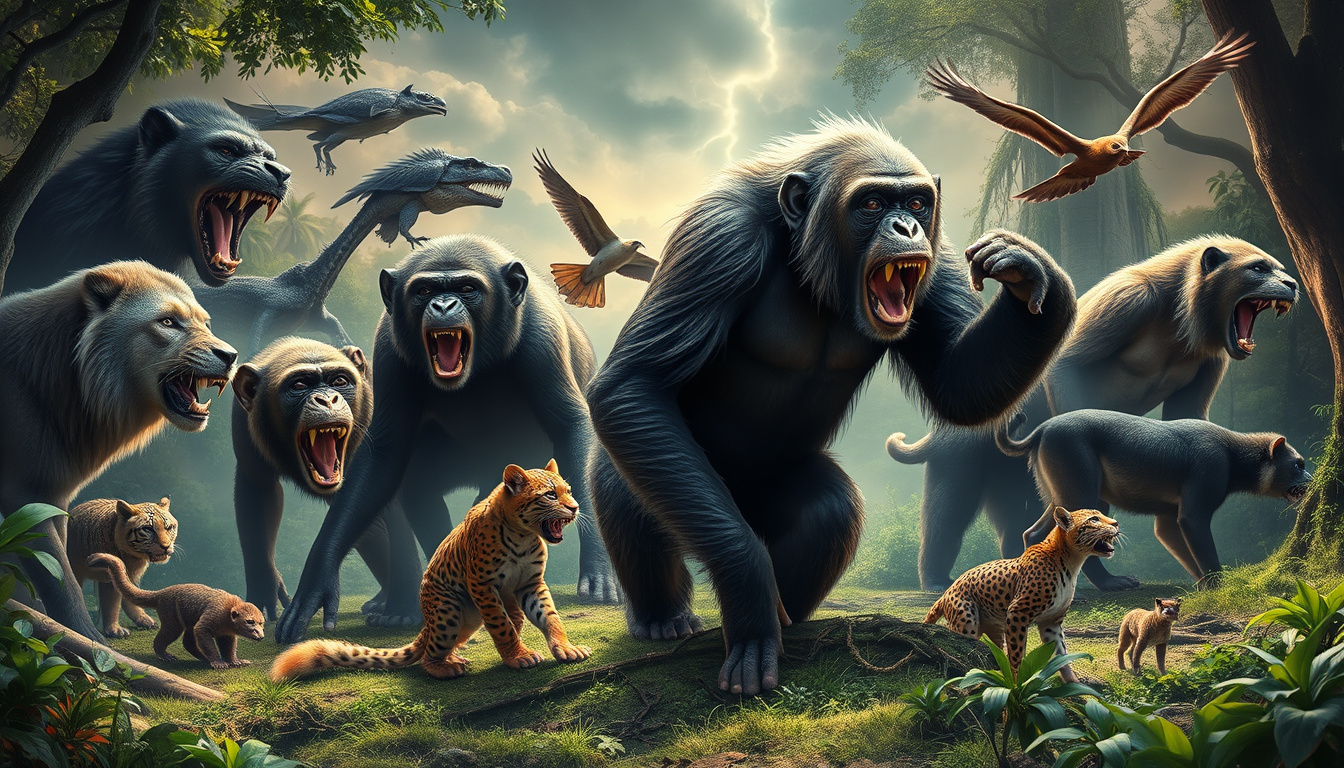
The animal violence evolution is not just a survival product; it’s influenced by genetics, environment, and social structures, which dictate how aggression manifests across species.
Consider the predatory tactics of lions and tigers, where evolved lethal skills are paired with strategic social behaviors. In lion prides, dominant males often engage in fierce battles for breeding rights, demonstrating how violence serves as a tool for ensuring reproductive success and genetic legacy.
Similarly, orcas, often called sea wolves, exhibit advanced hunting techniques involving aggression not only towards prey but also rival pods. Their social structures, based on maternal lines, see violent encounters arise over competition for scarce resources like food and territory, reflecting harsh survival realities.
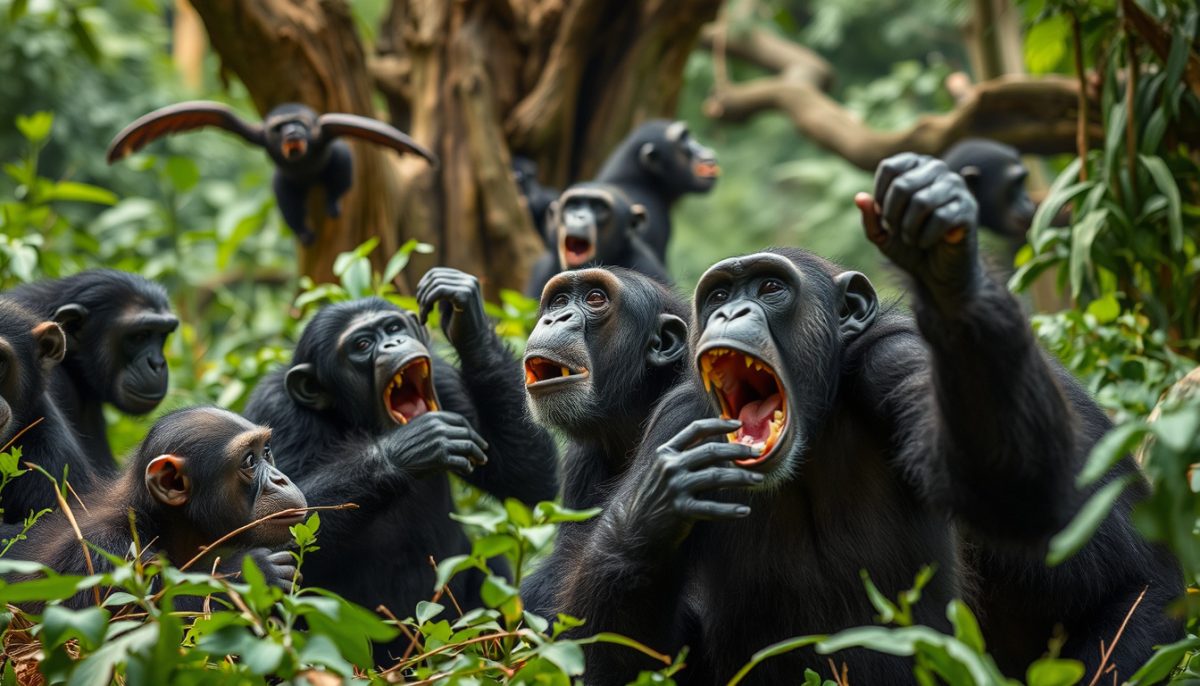
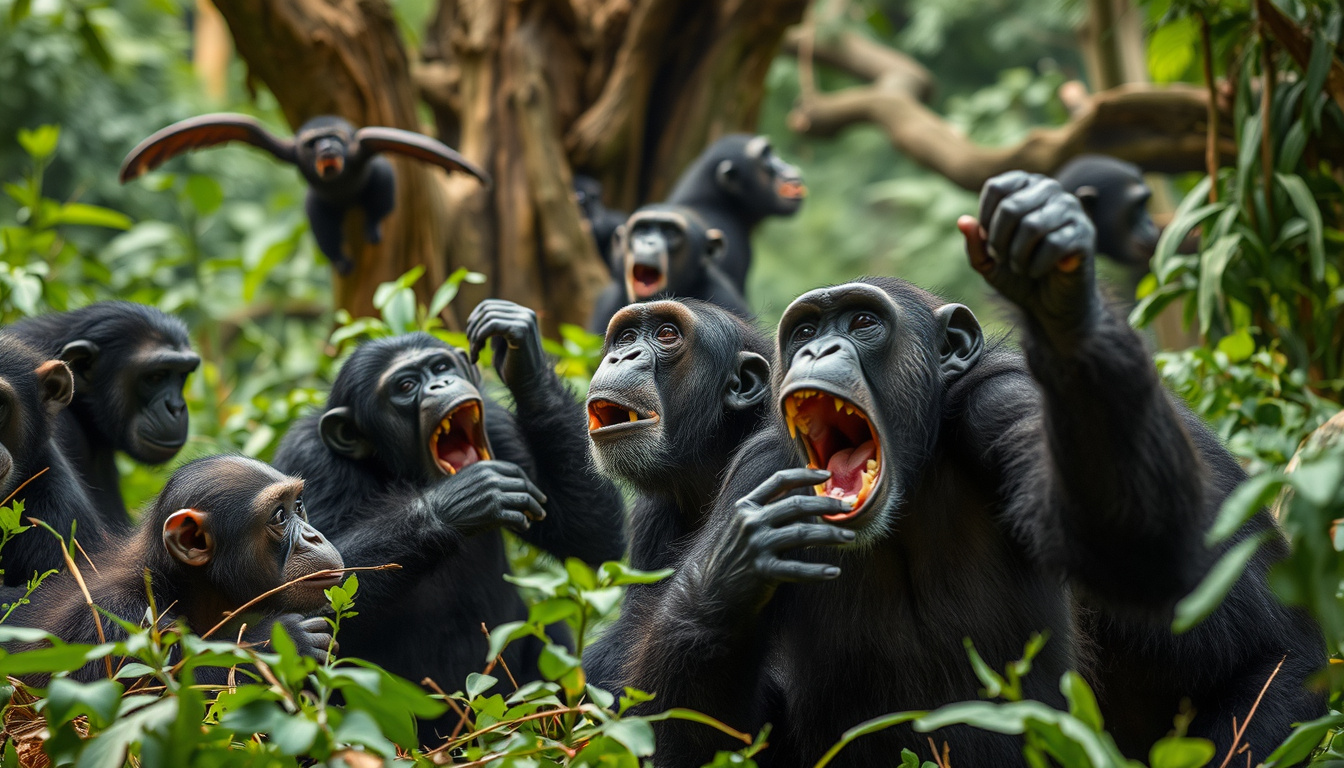
Additionally, violence among chimpanzees during territorial disputes highlights the importance of social systems in shaping aggressive behaviors, serving as a tool for dominance and resource control.
Social Structures and Violence: Competition for Resources
The intricate web of the animal kingdom reveals that the animal violence evolution is woven with social structures and competition for resources.
While at first, aggression might seem chaotic, a more profound exploration shows that such behaviors serve crucial functions in survival and reproduction. Social animals, including chimpanzees, lions, and wolves, display a spectrum of aggressive interactions.
In chimpanzee societies, violence is manifested through their social hierarchies, where alpha males enforce dominance to secure food and mates. Such hierarchies provide stability but also breed potential conflict when resources dwindle or authority is challenged.
This dance of competition and camaraderie not only maintains social order but ensures that the most fit individuals thrive, reinforcing the evolutionary significance of violence as a survival tactic finely tuned through natural selection.

Human Impact on Animal Violence Trends
The narrative of animal violence evolution is significantly altered by human activities—from habitat destruction and climate change to urban development and resource depletion, these factors shape violent behaviors in unsettling ways.
Aggression, once a mechanism for maintaining herd dynamics or hierarchical structures, is now provoked by new challenges as animals adapt to diminishing habitats and direct human threats.
These alterations highlight the deeply interconnected nature of our existence and the ongoing evolution shaped significantly by human actions.
Conclusions and Future Implications of Evolving Animal Behavior
As we deepen our understanding of the animal violence evolution, its complexity extends beyond instinct; it’s woven into the ecological and social fabric of different species.
Through ongoing studies and observations, we recognize that violence serves multiple essential roles, from hierarchy establishment to resource security and reproductive success. These insights are crucial for conservation efforts and understanding the conditions that spur aggression, showing that such behaviors are responses to both evolutionary pressures and current environmental challenges.
Moving forward, integrating this knowledge into conservation strategies is crucial, aligning efforts to mitigate human impact on wildlife and fostering sustainable cohabitation strategies. As we influence natural habitats globally, the importance of studying animal behavior, including the dynamics of violence, will provide essential insights for both biological conservation and our philosophical views on nature.
Frequently Asked Questions
What is the primary focus of the article on the animal violence evolution?
This article examines how violence has evolved as a crucial survival strategy in animals, emphasizing the biological, social, and environmental factors that shape aggressive behaviors.
How does the article define aggression in the context of animal behavior?
Aggression in animal behavior is actions by individuals aimed at harming others, often driven by the need to secure essential resources, mates, or territory for survival and reproduction.
Can you provide an example of a case study discussed in the article?
An example includes the refined hunting tactics of predators like lions and wolves, which highlight evolved violent behaviors enhancing their survival in competitive environments.
What role does human impact play in the trends of animal violence?
Human activities such as habitat destruction, pollution, and climate change disrupt natural animal behaviors, potentially causing increased aggression as species vie for dwindling resources.
What conclusions does the article suggest regarding the future of animal behavior and violence?
Understanding the animal violence evolution informs conservation strategies and underscores the need for sustainable practices to reduce human influence on wildlife behavior.
If this story piqued your interest, experience it firsthand.
Bushman Safaris offers curated chimpanzee tracking experiences in Uganda, including access to Kibale National Park and the Ngogo region. Witness these remarkable behaviors up close.
For our top 3 recommended Uganda chimpanzee tours, simply text “chimpanzee” to info@bushmansafaris.com or WhatsApp +256 704 902398, and we’ll provide you tailored options based on your preferences.