

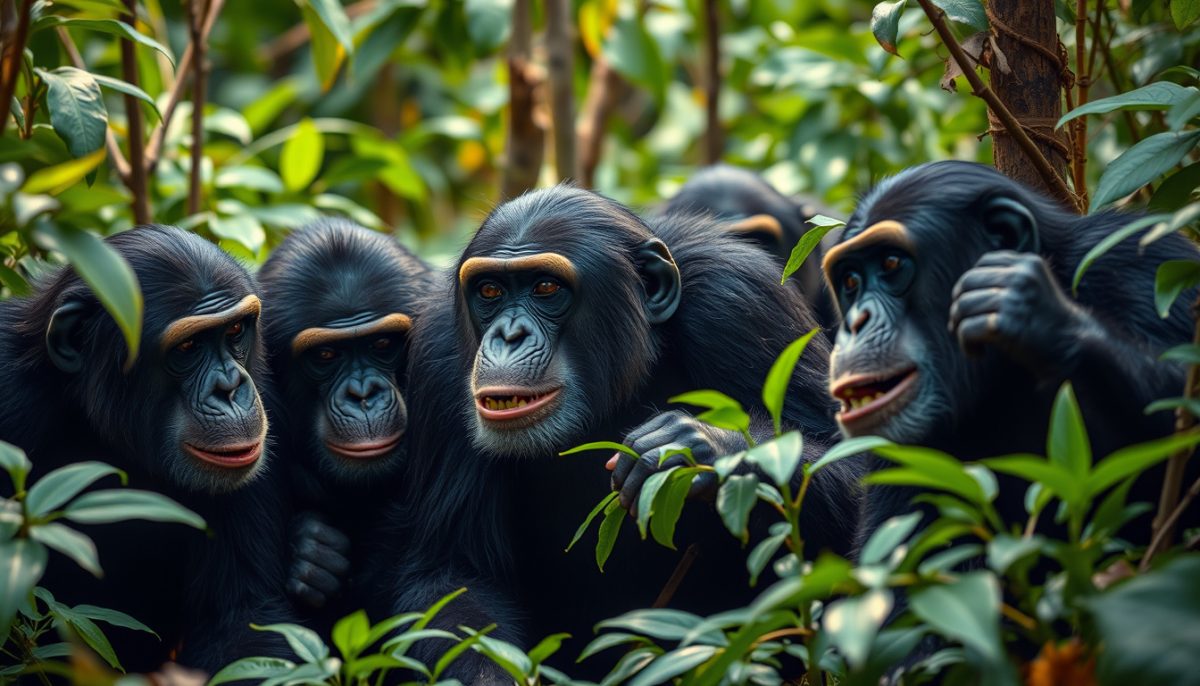
Exploring Chimpanzee Hunting Groups: Social Dynamics and Strategies in the Wild
In the dense jungles of Uganda, a thrilling spectacle unfolds as chimpanzee hunting groups engage in a dance of survival. Observers are often captivated by the sight of these intelligent primates, skillfully working together to hunt their prey. As you watch a coordinated attack, it feels almost cinematic, as each individual plays a critical role in the pursuit.
From strategizing to executing complex maneuvers, chimpanzees demonstrate a remarkable social structure and communication system that parallels human behavior in intriguing ways. But what truly constitutes a chimpanzee hunting group? What strategies underpin their success? Join us on this exploration of the captivating world of chimpanzee hunting groups, where every hunt is a testament to their social intelligence and adaptability.
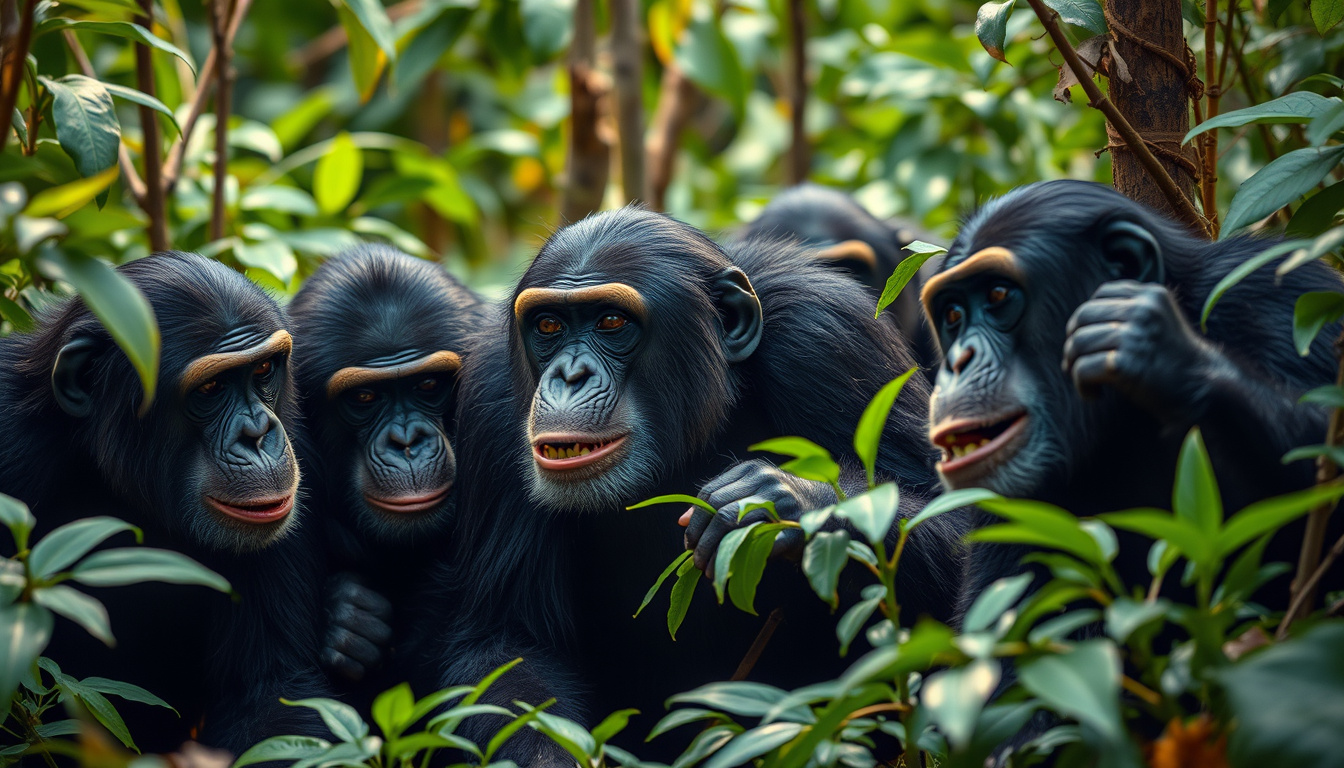
Key Takeaways
- Chimpanzee hunting groups exhibit complex social structures that influence their hunting success.
- Effective communication is crucial for coordinating hunts among chimpanzee groups.
- Different chimpanzee populations utilize varied hunting techniques based on their environments and social dynamics.
- Social hierarchy plays a significant role in determining hunting roles and responsibilities within groups.
- Understanding chimpanzee hunting practices can inform conservation efforts and strategies for protecting their habitats.
Introduction to Chimpanzee Hunting Groups
In the lush forests of Uganda, hidden among towering trees and thick underbrush, one can find remarkable chimpanzee hunting groups engaging in behaviors that mirror our own social structures. These hunting groups showcase the complex social dynamics of chimpanzees, revealing their predatory skills, cooperative tactics, and intricate relationships.
Much like a tightly-knit human community, these groups work together to hunt for food, defend their territory, and nurture their young. The fascinating world of chimpanzee hunting groups is not only a testament to their intelligence but also a captivating experience for those who venture into their habitat, allowing observers to witness firsthand the raw beauty of nature’s behaviors.
As visitors embark on unforgettable chimpanzee tracking adventures in Uganda, they uncover not just the journey through the forests but a deeper understanding of the vibrant social lives of these incredible primates.
Social Structure within Chimpanzee Hunting Groups
Chimpanzee hunting groups showcase a fascinating social structure that offers intriguing insights into their behavior and social dynamics. Typically comprising a small group of individuals, these hunting parties are often initiated by a dominant male, who leads the charge in search of food, particularly small mammals like monkeys.
Within these groups, each member has a role to play, which is influenced not only by their age and size but also by their social status within the community. This hierarchical structure is essential for effective coordination during hunts; more dominant chimpanzees tend to take on leading roles, while younger or less dominant members provide support or act as lookout.
Furthermore, communication within these hunting groups is sophisticated, with vocalizations and gestures ensuring that all members are synchronized during the hunt. This organization enhances the likelihood of a successful catch, which benefits the group as a whole.
Interestingly, studies have found that bonding occurs within these groups, and the sharing of the spoils reinforces social alliances and status, showcasing the depth of their social interactions. This complex social behavior within chimpanzee hunting groups not only highlights their intelligence but also draws intriguing parallels to human social dynamics, illuminating our own evolutionary roots.
‘The intelligence of chimpanzees enables them to work together cooperatively, demonstrating that communication and social structure are key to their success in hunting. Without collaboration, survival in the wild would be significantly harder.’ – Unknown
Hunting Strategies Employed by Chimpanzees
Chimpanzee hunting groups are a fascinating example of complex social behavior that resonates with those intrigued by primate intelligence and cooperation. In the lush forests of Uganda, these intelligent creatures exhibit intricate tactics and strategies while hunting, illuminating the intricacies of their social structure and teamwork.
Within a chimpanzee community, hunting is not merely a solo endeavor; it typically involves organized groups working together to flush out and capture prey. Their favored targets tend to include smaller mammals such as monkeys, but these groups can also employ strategies to hunt larger animals when necessary.
The process begins with one or a few individuals surveying the area, using their sharp sense of observation to locate potential prey. Once spotted, chimps alert other members of their group, turning the hunt into a collective effort. The decision-making process during these hunts is not arbitrary.
Group dynamics play a crucial role; dominant individuals often lead, while others carry out various roles depending on their strengths. Some may act as ‘drivers,’ startling the prey and driving them towards ambushers who lie in wait—a strategic adaptation that showcases their cognitive abilities.
Unlike solitary hunters, chimpanzees demonstrate a level of communication and planning that is strikingly sophisticated, often employing vocalizations and gestures to synchronize their actions, especially when silence is paramount to avoid scaring off their target. This intricate blend of strategy and cooperation in chimpanzee hunting groups reflects not only their intelligence but also their social bonds, forming a basis for future interactions within the community.
The Role of Communication in Coordinating Hunts
Chimpanzees are renowned for their complex social structures and behaviors, particularly their activities in hunting groups. These groups often engage in coordinated hunts to maximize their chances of capturing prey. The role of communication within these hunting groups is crucial; it allows individuals to strategize, relay information about the presence of potential prey, and synchronize their movements.
Vocalizations such as screams and calls help maintain contact and signal urgency while non-verbal cues like gestures can indicate specific roles each member should play. For instance, one chimp may act as a sentinel, keeping watch for predators, while the others encircle prey to trap it effectively. This intricate communication reflects not only their intelligence and problem-solving abilities but also their social bonds, illuminating how cooperation and interaction can enhance survival in the wild.
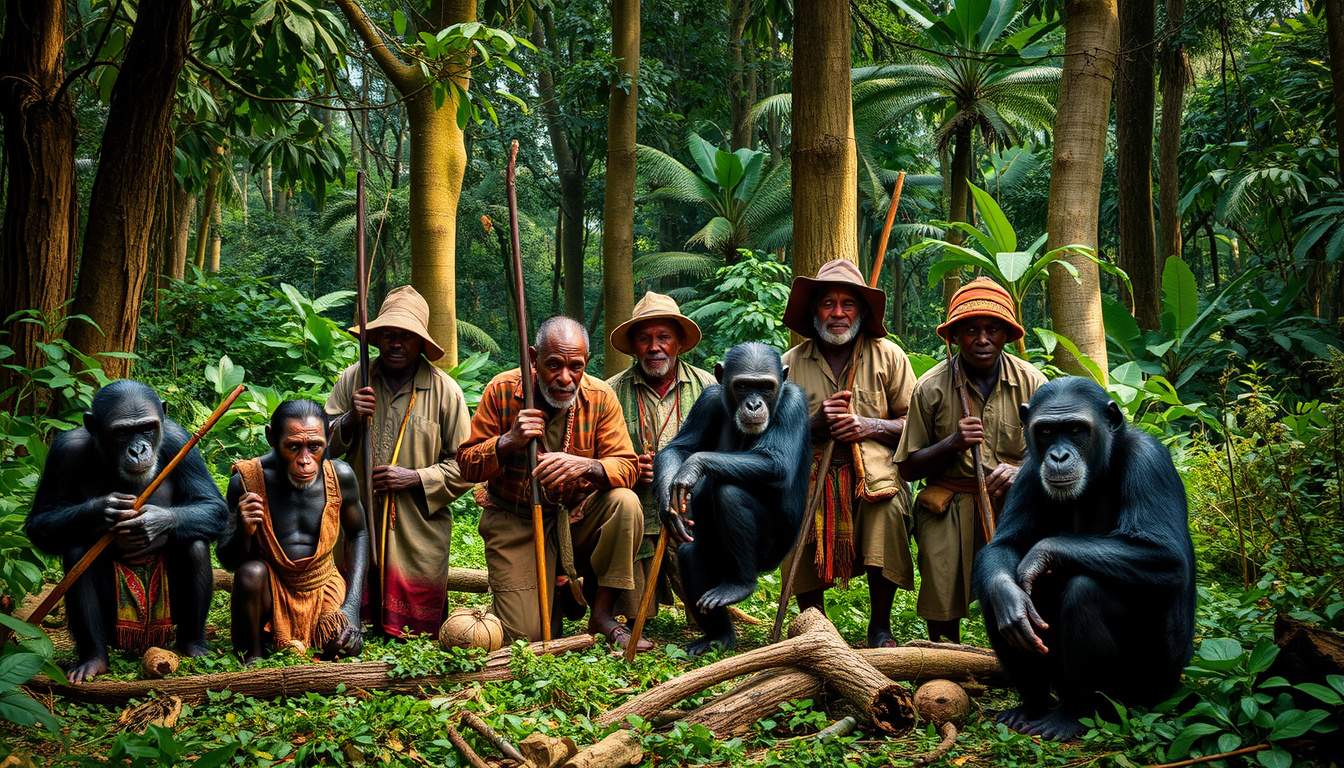
Comparative Analysis of Hunting Techniques: Different Populations
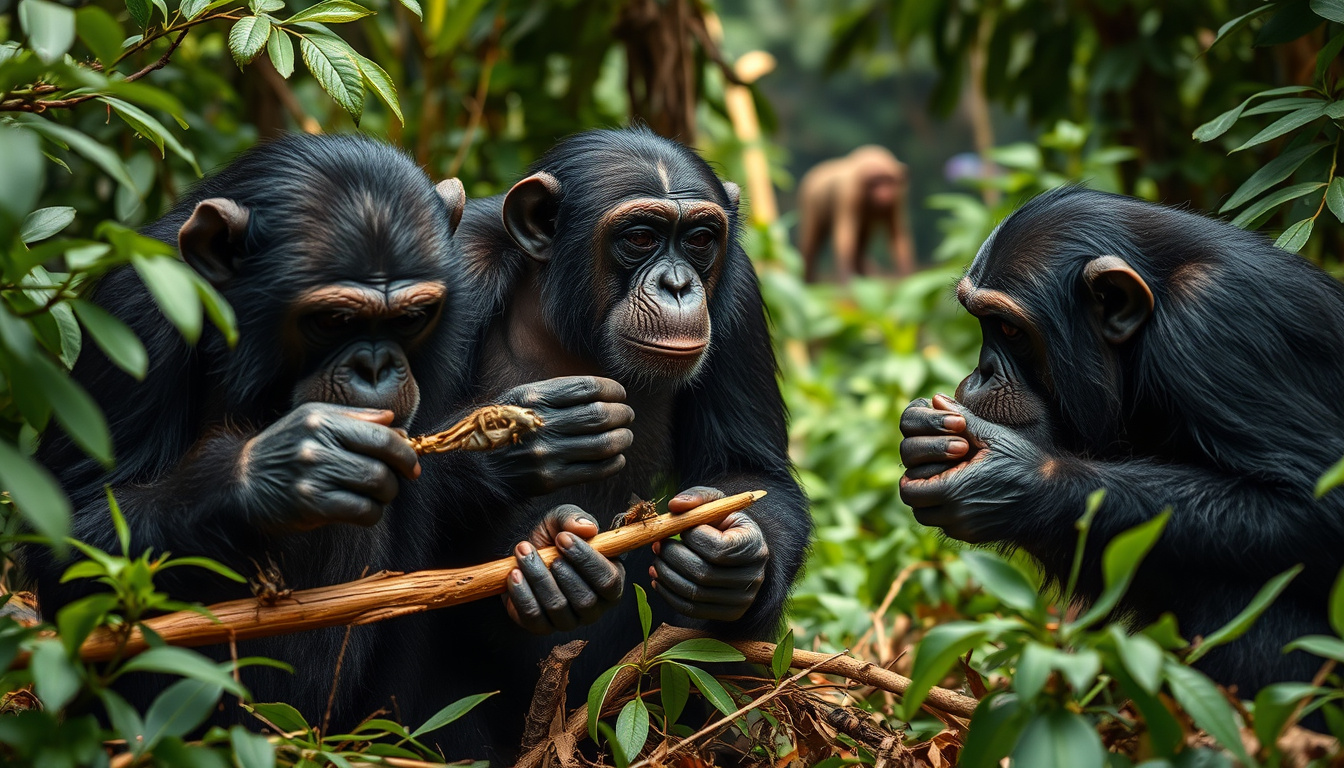
Chimpanzee hunting groups exhibit a range of techniques that vary significantly between populations, reflecting adaptations to their specific environments and social structures. For instance, some hunting groups in the forests of West Africa, such as those in the Taï National Park, have been observed employing a cooperative strategy, where they work together to ambush their prey, highlighting their complex social bonds. In contrast, populations in Gombe, Tanzania, rely more on individual hunting tactics, often using tools like sticks to extract termites from mounds, demonstrating a more opportunistic approach to sourcing food.
These diverse hunting techniques not only underscore the adaptability of chimpanzees to their ecological niches but also paint a vivid picture of the evolutionary pressures that shape their behaviors—suggesting a fascinating link between environment, culture, and survival that continues to captivate researchers and ecotourists alike.
Conservation Implications and the Future of Chimpanzee Hunting Practices
Chimpanzee hunting groups pose significant conservation challenges that threaten the survival of these remarkable primates. Historically, certain communities have relied on chimpanzee hunting as a source