


Exploring Primate Aggression Studies: Behavioral Insights and Social Dynamics
In the dense canopies of tropical rainforests, where the calls of birds echo and the rustle of leaves signals movement, a fascinating narrative unfolds through the interactions of our closest animal relatives—primates. Exploring primate aggression studies offers a window into the intricate relationships and social dynamics that define their behavior, reflecting elements of human interaction.

Key Takeaways
- Primate aggression studies provide valuable insights into the behavioral patterns and social structures of various primate species.
- Understanding the theoretical frameworks can help in deciphering the complexities of aggression in primate interactions.
- Hierarchies and social dynamics significantly influence aggression levels within primate groups.
- Behavioral responses to aggression are shaped by both environmental conditions and social relationships among primates.
- Findings from primate aggression studies have important implications for understanding human behavior and informing conservation efforts.
Introduction to Primate Aggression Studies
In the wild depths of verdant jungles and lush forests, the behaviors of our primate cousins tell compelling stories of survival, hierarchy, and emotion. Welcome to the captivating world of primate aggression studies, where researchers delve into the seemingly chaotic world of aggression among primates, illuminating not just the instinctual drives that prompt behaviors, but also the intricate social structures that govern them.
From the intricate troop dynamics in baboons to the sibling rivalries in chimpanzees, understanding how and why these fascinating creatures express aggression provides crucial insights into their social lives—as well as parallels to human behavior. This exploration bridges the gap between the animal and human worlds, revealing how aggression plays a role in evolution, social cooperation, and conflict resolution. Join us as we embark on a journey through the jungle of primate aggression, exploring what it reveals about the very essence of primate life.
Theoretical Frameworks for Understanding Aggression in Primates
When we dive into the depths of primate aggression studies, we uncover a fascinating tapestry of behavior that shows not just the intricate dynamics of social relationships but also the evolutionary factors driving these interactions.
Researchers have developed several theoretical frameworks to analyze these aggressive behaviors, each presenting unique insights. The evolutionary psychology framework, for example, argues that aggression has evolved to enhance survival and reproductive success. In many primate species, aggression may establish dominances, secure mates, and protect resources.
Social Dominance Theory highlights the role of hierarchies in primate groups, illustrating how aggressive behaviors often negotiate social status. For instance, in chimpanzee societies, alpha males frequently display aggression to assert their positions.
Resource competition models illuminate the environmental factors, such as food scarcity, intensifying aggressive interactions. High population densities, limited resources, and environmental pressures all contribute to these aggressive acts.
Understanding aggression also involves examining physiological influences, particularly hormonal factors like testosterone levels correlating with aggression across many species.
Lastly, learning and cultural factors highlight that primates can learn aggression through observation, suggesting cultural transmission within groups. This challenges the idea of innate aggression and supports the concept of socially learned behavior.
Conclusion In our exploration of primate aggression studies, multiple theoretical frameworks help us understand why aggression occurs, its manifestations, and the drivers behind such behaviors. These insights not only expand our knowledge of primates but also illuminate the roots of human aggressive behaviors, reflecting our shared evolutionary heritage.
‘In all social species, aggression and cooperation are interdependent; they shape the social structure and interactions between individuals.’ – Frans de Waal

Behavioral Patterns of Aggression in Different Primate Species
Primate aggression studies reveal a fascinating mosaic of behaviors across various species, uncovering how social dynamics shape aggression. Observations of species such as chimpanzees, baboons, and macaques highlight the different contexts in which aggression surfaces.
For instance, chimpanzees often exhibit aggression during territorial disputes with intricate displays of dominance that involve vocalizations and serious posturing. In stark contrast, baboons display aggression more closely tied to social rank and competition for mates. Their aggressive encounters are often multifaceted, involving alliances and reconciliations that reflect their complex social structures. Macaques, with their varied habitats and lifestyles, show aggression that varies by group size and environmental stress, suggesting a multitude of factors influence their aggressive behaviors.
Through a comparative lens, aggression in primate species serves as a valuable window into not only primate behavior but also the evolutionary roots of human aggression. As researchers delve deeper into these studies, they unveil implications for conservation efforts, revealing how understanding these behaviors can facilitate better protection and management of primate populations in the wild.
Social Dynamics: Hierarchies and Relationships in Primate Groups
In the lush jungles of Africa and the treetops of South America, primates navigate complex social landscapes characterized by intricate relationships and clear hierarchies. Understanding primate aggression studies unveils the underlying dynamics governing these interactions, revealing the subtle balance between cooperation and competition in their social structures.
Research has shown that in many primate species, relationships are not solely based on kinship but often rely on social bonds forged through grooming, alliances, and reciprocal behaviors. Aggression is a critical component of these dynamics. Not just a tool for dominance, aggression among primates can be a complex behavior shaped by environmental pressures and social contexts. For example, studies indicate that higher-ranking individuals may use aggression to maintain their status, while lower-ranking members might use it strategically to enhance their standing or access resources.
These insights not only deepen our understanding of primate behavior but also mirror human social structures, where the roots of aggression, dominance, and cooperation stem from evolutionary processes. Through this examination, researchers can illuminate evolutionary pathways influencing both primate and human social interactions.
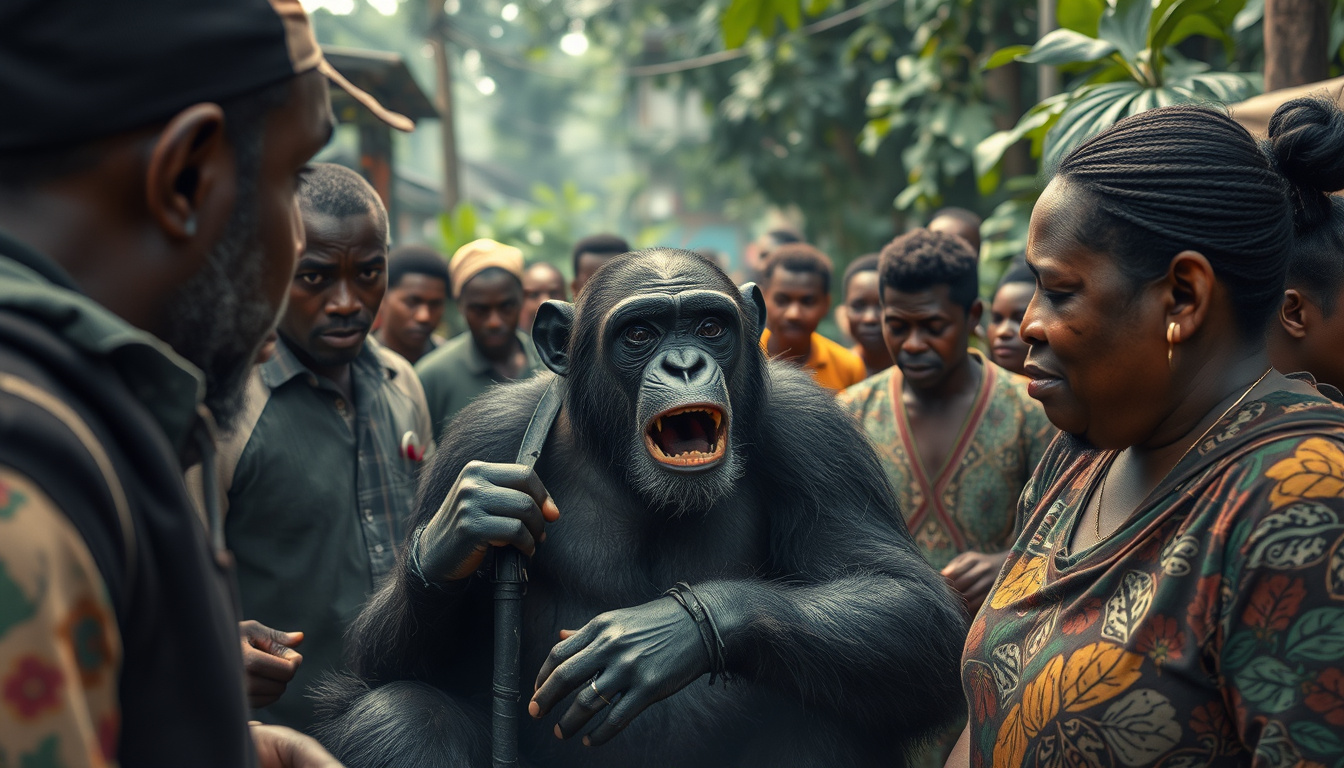
Environmental and Social Factors Influencing Aggression
Understanding primate aggression studies requires delving into the complex interplay of environmental…