


Understanding Animal Aggression: Examples and Insights for Pet Owners
In the heart of our homes, pets radiate love, companionship, and joy. However, that same delightful furry creature can sometimes exhibit unexpected animal aggression. Picture this: your playful pup suddenly snaps at a visitor, or your otherwise docile cat lashes out when a new dog enters your space.
Animal aggression is not just a behavioral quirk; it’s a phenomenon that demands our attention, understanding, and careful management. In this exploration of animal aggression examples, we will delve deep into what drives this behavior, share impactful insights, and equip pet owners with strategies to foster a peaceful environment.
From anxiety-triggered incidents to resource guarding, the stories of our pets are as varied as the animals themselves. Join us as we decode these examples and pave pathways toward greater understanding and healthier relationships with our beloved companions.

Key Takeaways
- Animal aggression can manifest in various forms, including territorial and protective behaviors.
- Common examples of aggression in pets include biting, growling, and barking excessively.
- Factors such as fear, genetics, and socialization significantly contribute to animal aggression.
- Pet owners can effectively manage aggression through training, behavior modification, and seeking professional help.
- Preventative measures, such as early socialization and regular exercise, are essential in reducing the likelihood of aggression in pets.
What is Animal Aggression?
Animal aggression is a natural behavior exhibited by various species in response to environmental challenges or social structures. This instinctive reaction serves several purposes, such as protecting territory, ensuring survival, or establishing dominance within a group. Examples of animal aggression can be observed in numerous forms across different species.
For instance, wolves are known to display aggression during pack confrontations or when defending their young. Similarly, male deer engage in fierce battles during mating seasons, clashing antlers to establish hierarchies and attract mates. Notably, aggression also manifests in domesticated animals; a dog may exhibit territorial aggression, barking or lunging at perceived intruders. Understanding these examples allows for a clearer perspective on how aggression functions within animal behavior and the complex dynamics of ecosystems.
Common Types of Animal Aggression
When examining animal behavior, understanding various animal aggression examples is crucial for both researchers and pet owners alike. One common type of aggression occurs out of fear or anxiety, wherein an animal, feeling threatened in its environment, may display aggressive behaviors as a defense mechanism.
Territorial aggression is another notable example, especially prevalent in species that have established a defined area for hunting or breeding. This kind of aggression typically manifests when intruders invade a claimed territory, prompting fierce responses from the resident animals.
Additionally, maternal aggression is seen in many species, where a mother will fiercely protect her young from potential threats. This can be particularly observed in mammals and birds, signifying a natural instinct to ensure the survival of offspring. Furthermore, aggressive behaviors can also arise during the mating season, as seen in many species, where competition for mates generates high levels of aggression among individuals. Each of these examples not only highlights the complexity of animal interactions but also sheds light on the crucial role aggression plays in survival and evolution.
‘The greatness of a nation and its moral progress can be judged by the way its animals are treated.’ – Mahatma Gandhi
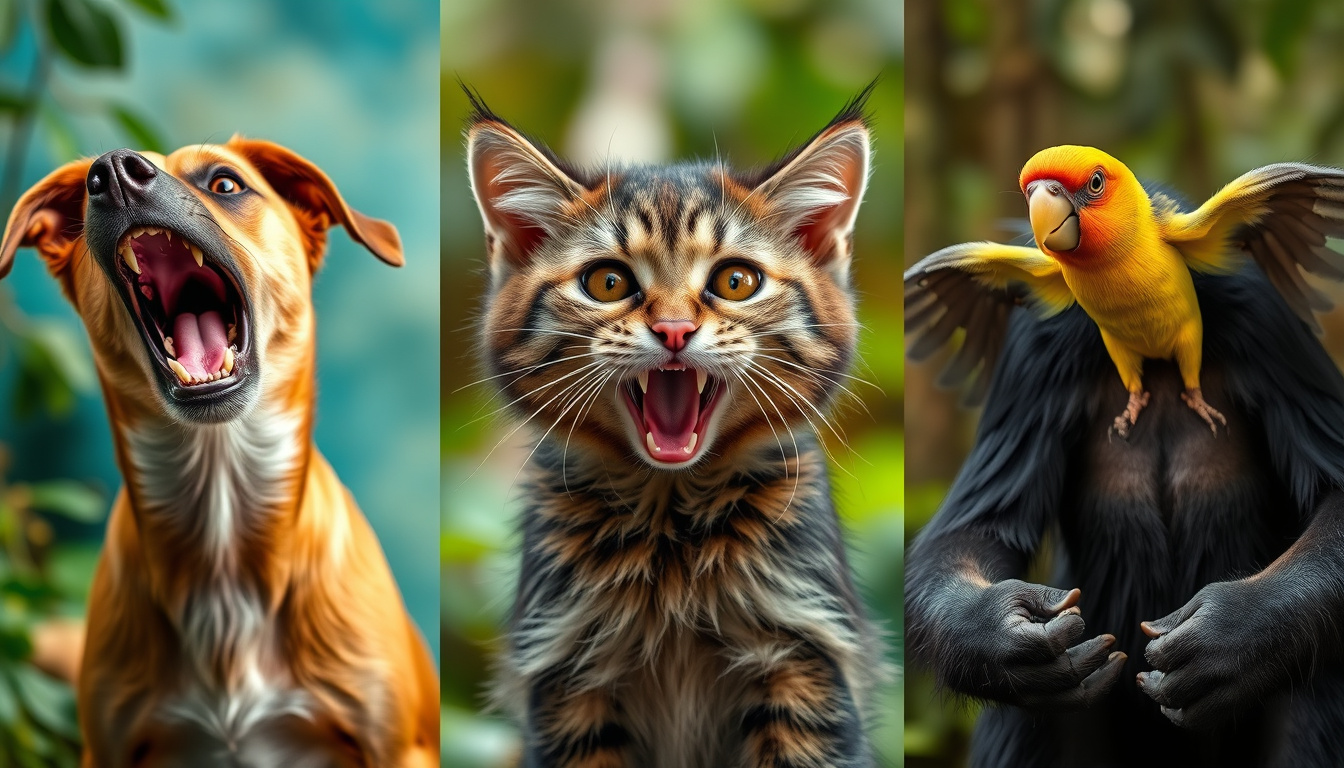
Top Examples of Aggression in Pets
Understanding animal aggression is crucial for pet owners to ensure the safety of both their furry companions and those around them. Aggression in pets can manifest in various forms, often arising from fear, territory disputes, or underlying medical issues. Let’s delve into some of the most common examples of aggression seen in pets.
1. Territorial Aggression
Territorial aggression occurs when pets feel the need to protect their space. Dogs, in particular, may exhibit aggressive behaviour when strangers approach the home or invade their personal space. This can range from barking and growling to full-blown attacks, especially if they perceive a threat to their territory.
2. Fear-Based Aggression
Pets that are fearful may react aggressively when they feel their safety is compromised. This type of aggression is often seen in dogs and cats who have experienced trauma or a lack of socialization. For instance, a dog may snap or bite if approached too quickly by a stranger or during a vet visit.
3. Protective Aggression
Many pets, particularly dogs, can display protective aggression towards their owners, particularly during specific situations, such as when children are present or when someone seems to invade their personal space. This aggression can lead to biting incidents if the pet feels its owner is threatened.
4. Maternal Aggression
Mother animals are instinctively protective of their young, and this can translate into aggression. A cat or dog may display aggression towards anyone who comes too close to their litter, as a defense mechanism to protect their offspring from potential harm.
5. Play Aggression
Sometimes, what may seem aggressive can be play behavior. Pets, especially young dogs, may engage in rough play that includes biting or growling. While this is typically not a genuine aggression, it’s important to closely monitor their behavior and intervene if it escalates too much.
Being aware of these animal aggression examples enables pet owners to better understand their pets’ behavior and take corrective actions, such as training or seeking professional help when necessary.
Factors Contributing to Animal Aggression
Animal aggression is a complex behavior exhibited in various species and can be influenced by multiple factors ranging from environmental conditions to biological predispositions. For instance, territorial disputes are common among many animal species; wolves and big cats, such as lions, often display aggression when defending their territory from intruders. In the case of primates, aggression can become apparent during mating season as males compete for the attention of females. Additionally, animals may show aggression as a learned behavior; for example, domestic dogs may exhibit aggressive tendencies if they were raised in environments where such behavior was rewarded. Stressors such as habitat loss, overcrowding, or food scarcity can further exacerbate aggressive behaviors in both wild and domestic animals. Understanding these animal aggression examples helps in wildlife management and conservation efforts by highlighting the importance of maintaining natural habitats and social structures in animal populations.
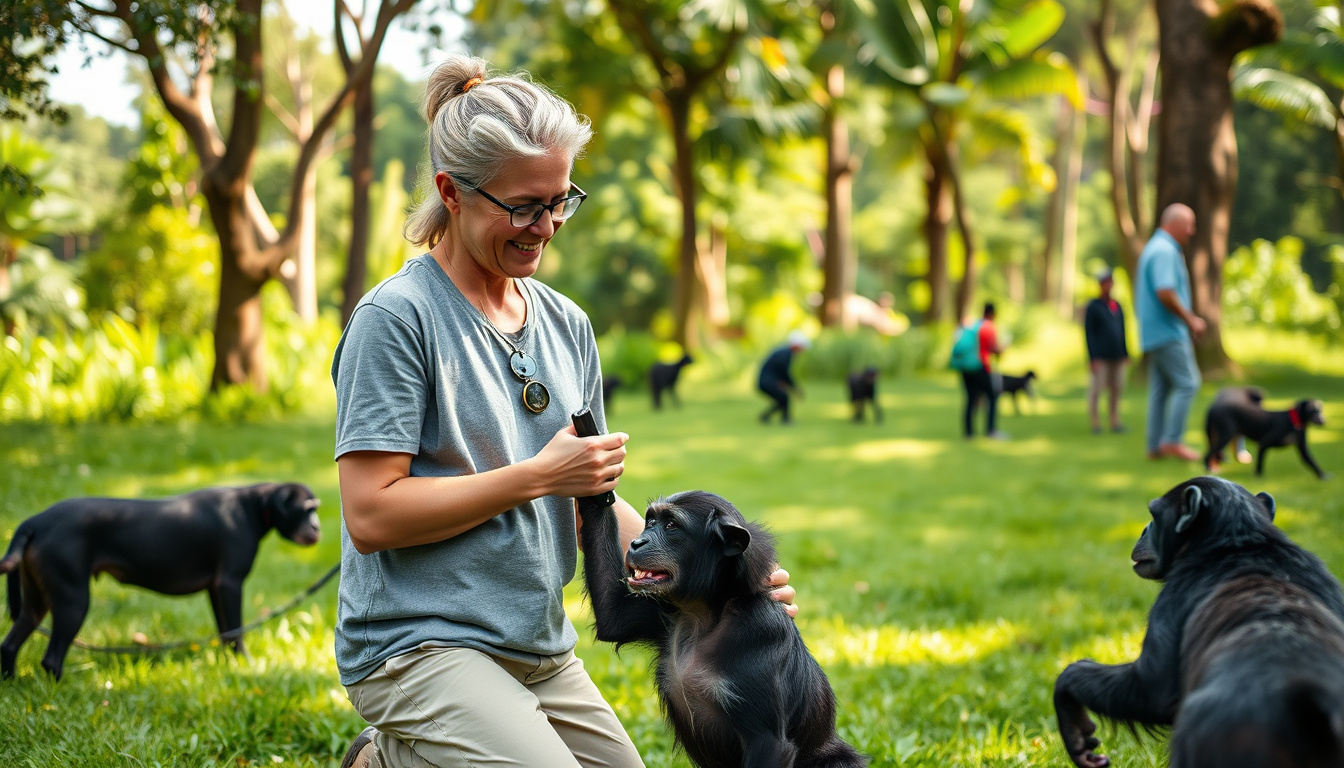
How Pet Owners Can Manage Aggression
When it comes to overseeing the behavior of our beloved pets, understanding animal aggression examples is key to fostering a harmonious home environment. Aggression in pets can manifest in various forms, such as barking, biting, or displaying fearful body language. Whether it’s a dog growling at a stranger or a cat hissing at another feline, the signs of aggression can be alarming for any pet owner. But why do these behaviors occur, and how can we effectively manage them?
Understanding the Roots of Aggression
Animal aggression can stem from a variety of triggers, ranging from fear and territoriality to frustration and pain. For instance, an example of fear-based aggression can often be observed in rescued animals that have had traumatic past experiences; these pets may respond defensively to strangers or sudden movements. On the other hand, territorial aggression can be noted when a dog barks or lunges at passersby while on a leash, as they perceive the area around their home as their domain. Recognizing these examples is crucial for successful management.
Establishing Control Techniques
Once the initial assessment has been made, pet owners can implement with several techniques to manage their pets’ aggression. Firstly, positive reinforcement training is essential; rewarding calm behavior with treats or praise helps replace aggressive responses with more appropriate ones. For example, if a dog reacts positively to a guest entering the home, they should be rewarded immediately to reinforce this behavior.
Likewise, understanding body language signs that lead to aggression can allow pet owners to intervene early before tension escalates, thus preemptively avoiding aggression events.
Creating a Safe Space
Another important step in managing aggression is to create a safe environment for your pet. This can include providing a designated area (like a crate or a quiet room) where they can retreat to feel secure when stressed. During episodes or triggers that typically cause aggression, having this space available is invaluable.
For example, if a dog is particularly sensitive to loud noises, providing a calm and secure space away from the noise can significantly reduce the chances of an aggression response.
Seeking Professional Guidance
In cases where aggression is severe or persistent, consulting with a professional animal behaviorist may be necessary. These experts can offer tailored approaches based on individual pet personalities and circumstances. They often employ techniques that can help reshape and redirect aggressive tendencies over time, yielding positive long-term results.
Conclusion
Understanding and managing animal aggression is an ongoing process that requires patience and dedication. By knowing various animal aggression examples and applying the right management tactics, pet owners can cultivate a peaceful living environment for both their pets and themselves. Remember, aggression can often stem from discomfort or fear; thus, compassionate understanding coupled with proactive management will pave the way toward harmonious pet ownership.