

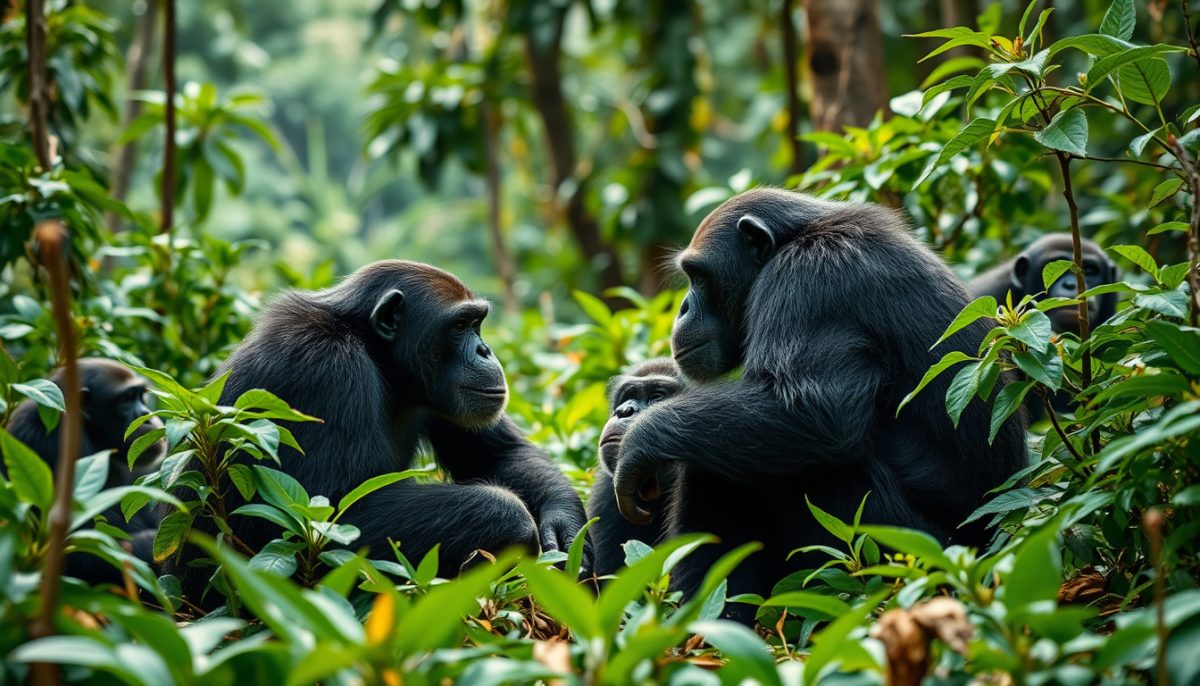
Understanding the Kibale Chimpanzee Conflict: Causes, Effects, and Solutions
In the heart of Uganda, a silent yet poignant drama unfolds beneath the lush canopies of Kibale National Park, where man’s closest relatives, the chimpanzees, navigate a perilous existence.
The Kibale Chimpanzee Conflict represents a complex web of interactions between wildlife conservation and human activity, with significant implications for both the primates and the communities near their habitat.
As the boundaries between wildlife and agriculture blur, understanding the causes and consequences of this conflict is essential for the survival of the chimps and the livelihoods of local populations.
In this article, we will delve into the historical context, explore the socio-economic effects, examine potential solutions, and emphasize the importance of resolution in this captivating ecosystem.
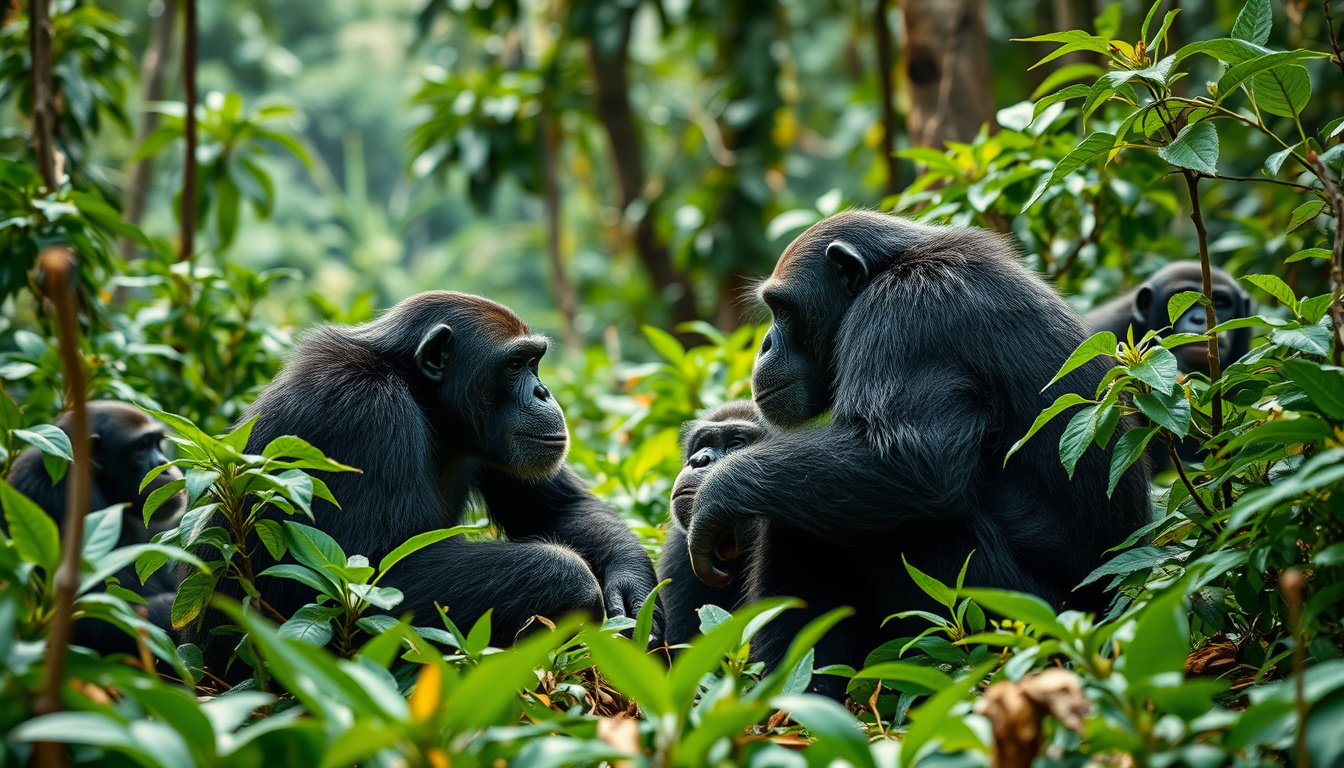
Key Takeaways
- The Kibale Chimpanzee Conflict stems from human-wildlife interactions, primarily driven by habitat encroachment.
- This conflict adversely affects local biodiversity by threatening chimpanzee populations and their habitats.
- Local communities face socioeconomic challenges as a result of the conflict, including loss of crops and income.
- Solutions for mitigating the conflict include community engagement, habitat restoration, and wildlife corridors.
- Addressing the Kibale Chimpanzee Conflict is vital for ensuring the conservation of both chimpanzees and local livelihoods.
Introduction to the Kibale Chimpanzee Conflict
The Kibale Chimpanzee Conflict is a critical and complex issue that manifests at the junction of wildlife conservation, human livelihoods, and ecological balance in Uganda.
Kibale National Park, known for its rich biodiversity and dense forests, hosts over 1,500 chimpanzees. It is one of the best places in Africa to observe these fascinating primates.
However, as human populations expand and agricultural practices encroach upon wildlife habitats, the struggle intensifies between conserving these intelligent creatures and supporting local communities who rely on the land for their sustenance.
This conflict not only raises questions about biodiversity preservation but also about social justice and the ethical implications of conservation efforts.
Understanding the Kibale Chimpanzee Conflict requires a deep dive into the factors at play—ranging from human encroachment to the unique social structures of chimpanzees, and the conservation strategies being implemented to foster coexistence.
Historical Context and Causes of the Conflict
The Kibale Chimpanzee Conflict, primarily centered in Uganda’s renowned Kibale National Park, underscores a complex interaction between human populations and wildlife.
Historically, this region has served as a critical habitat for the country’s chimpanzee population, a species that shares nearly 99% of its DNA with humans.
As Uganda’s human population has grown—an increase that surged notably following independence in 1962—so too have the pressures on natural resources.
Expansion into chimpanzee territories has arisen from agriculture, logging, and infrastructure development, leading to an inevitable clash for space and resources.
This conflict, rooted in the fundamental survival instinct of both species, leads to farmers encroaching upon forested areas, often resulting in crop destruction while chimpanzees venture into human settlements in search of food, inadvertently causing tension.
As the issue escalated, instances of human-wildlife conflict grew; this has raised critical questions about community cohabitation, conservation policies, and the value of biodiversity.
Socioeconomic factors, including poverty and the reliance on subsistence farming, further complicate the landscape, revealing a pressing need to balance human needs with wildlife conservation initiatives.
‘The greatest threat to our planet is the belief that someone else will save it.’ – Robert Swan
Impacts on Biodiversity and Ecosystems
The Kibale Chimpanzee Conflict has significant implications not just for the primates themselves but for the entire ecosystem and the region’s rich biodiversity.
Kibale National Park, a lush expanse of tropical rainforest in southwestern Uganda, serves as a critical habitat for a renowned population of chimpanzees and various other species.
As human populations expand and encroach upon these natural habitats, the conflict becomes a complex interplay between wildlife conservation and agricultural expansion.
Chimpanzees, being intelligent and social animals, are known to range widely in search of food, often leading them into conflict with local farmers whose crops become tempting targets.
This situation not only endangers the chimpanzees but also threatens the stability of the ecosystem in Kibale. When chimps are forced to venture further out of their habitat to find sustenance, they may disrupt the balance of local food chains.
This disruption can result in a decline in certain species while allowing others to thrive, creating an imbalance that affects the entire habitat.
Moreover, the escalating conflict often leads to retaliatory actions from farmers, which can include killing or relocating chimpanzees. Such actions can have devastating effects on the genetic diversity and social structures of chimpanzee populations.
Additionally, as land is cleared for agriculture and urban development, numerous other species that share the chimpanzees’ habitat are also put at risk. This loss of biodiversity can lead to diminished ecosystem services, such as pollination and nutrient cycling, ultimately compromising the sustainability of the region.
In essence, addressing the Kibale Chimpanzee Conflict involves more than just protecting a single species. It calls for a comprehensive approach to conservation that balances human needs with the ecological integrity of Kibale’s ecosystems. By fostering understanding and cooperation between local communities and conservationists, it is possible to create a sustainable coexistence that preserves both the chimpanzees and the rich biodiversity of their native habitat.
Socioeconomic Effects on Local Communities
The Kibale Chimpanzee Conflict showcases the delicate balance between conservation efforts and the socioeconomic realities faced by local communities in Uganda.
As the population of chimpanzees in Kibale National Park continues to grow, the increasing interactions with nearby human communities often lead to contested resources, particularly farmland.
Farmers, struggling to sustain their livelihoods, frequently face crop raiding by these intelligent primates, leading to economic losses that can impact their families for generations.
The tension between the need to protect these endangered chimpanzees and the rights and needs of local people creates a complex web of challenges. To understand this conflict, it’s essential to explore the ways in which the local economy relies on agriculture, yet is undermined by the very wildlife conservation initiatives that aim to preserve the region’s biodiversity.
Moreover, the stigmatization of these intelligent beings often leads to animosity among locals who see them as pests rather than partners in a shared ecosystem. Efforts to mitigate this conflict, such as community-led initiatives for better environmental stewardship, highlight the need for collaboration between conservationists and residents. By building awareness and creating sustainable practices, we can shift perceptions and foster coexistence, allowing these communities to thrive economically while preserving their invaluable neighboring wildlife.
Understanding the socioeconomic effects of the Kibale Chimpanzee Conflict is crucial not only for local development but also for broader conservation strategies. Insight into how humans can coexist with these remarkable creatures may lead to innovative solutions that benefit both the ecosystems and the people who live in proximity to them. This harmonious relationship could unlock new avenues for ecotourism, providing financial incentives for communities to protect rather than harm their chimpanzee neighbors.
Potential Solutions and Conservation Strategies
As the Kibale National Park in Uganda hosts one of the largest populations of chimpanzees in Africa, it also finds itself at the heart of an ongoing conflict between these remarkable primates and local farmers.
The Kibale Chimpanzee Conflict arises when chimpanzees venture out of the park in search of food, leading to crop destruction and negatively impacting the livelihoods of local communities. To mitigate this conflict, a multi-faceted approach is essential, combining conservation strategies with community engagement and education.
One effective solution includes establishing buffer zones around the national park, where communities can cultivate crops optimized to deter chimpanzee foraging while also benefiting from sustainable agricultural practices. Additionally, implementing a compensation scheme for farmers who suffer losses due to chimpanzee interactions can help foster goodwill and cooperation with conservation efforts, encouraging communities to view these primates as allies rather than adversaries.
Education plays a vital role in this process; by raising awareness about the importance of chimpanzee conservation and their ecological significance, local residents are more likely to support the protection of their forest home. Collaboration initiatives that involve community members in chimpanzee monitoring and conservation projects can also build positive relationships and provide them with a stake in safekeeping their natural heritage.
Furthermore, fostering ecotourism can offer alternative sources of income, reducing dependency on agriculture while showcasing the unique biodiversity of Kibale. Investing in local infrastructures, such as road improvements, can facilitate ecotourism activities while enhancing the well-being of the local communities. Ultimately, the key lies in integrating both conservation and community interests, ensuring that local people thrive alongside the captivating chimpanzees they share their land with.
Future Outlook and Importance of Resolution
The Kibale Chimpanzee Conflict highlights the intricate balance between wildlife conservation and human livelihoods in Uganda. As agricultural expansion encroaches on the natural habitats of chimpanzees, witnessing increased interactions—and often confrontations—between local communities and wildlife is becoming more common.
The future outlook hinges on several critical strategies not only aimed at resolving the immediate tensions but also promoting long-term coexistence.
One essential course of action is the implementation of community education programs that emphasize the value of biodiversity and the ecological role of chimpanzees in maintaining their ecosystems. By fostering a deeper understanding and appreciation, communities are more likely to partake in sustainable agricultural practices that align with wildlife conservation. Additionally, integrating community-based resource management approaches can empower locals, giving them stakes in protecting their environment while benefiting economically from eco-tourism initiatives.
The importance of resolution cannot be underestimated; addressing the Kibale Chimpanzee Conflict is not merely about protecting a species, but about fostering a harmonious relationship between humans and nature. The successful mitigation of this conflict will serve as a blueprint for similar challenges worldwide, potentially leading to improved strategies that benefit ecosystems and communities alike.
Frequently Asked Questions
What is the Kibale Chimpanzee Conflict?
The Kibale Chimpanzee Conflict refers to the ongoing tensions and interactions between local human communities and chimpanzees in Kibale National Park, Uganda. It typically arises from competition for resources, such as land and agriculture, leading to negative impacts on both biodiversity and local livelihoods.
What historical factors contribute to the Kibale Chimpanzee Conflict?
The conflict has historical roots in land-use changes, such as agricultural expansion and habitat loss due to logging and human encroachment. These activities have reduced the availability of natural resources for chimpanzees, intensifying their interactions with human populations.
How does the Kibale Chimpanzee Conflict affect local biodiversity?
The conflict damages ecosystems by threatening chimpanzee populations, which play a vital role in forest health through seed dispersal and maintaining ecological balance. It can also lead to habitat degradation, further impacting other species in the region.
What are some socioeconomic effects of the conflict on local communities?
Local communities often face food insecurity and loss of crops due to chimpanzee foraging. The conflict also affects livelihoods, as communities may lose access to land or resources, leading to increased poverty and tensions between humans and wildlife.
What solutions are proposed to resolve the Kibale Chimpanzee Conflict?
Potential solutions include community-based conservation initiatives, education and awareness programs, the establishment of buffer zones, and sustainable land-use practices. Collaborative efforts between conservationists and local communities are crucial for fostering coexistence.
If this story sparked your curiosity, you can experience it firsthand.
Bushman Safaris offers curated chimpanzee tracking experiences in Uganda, including access to Kibale National Park and the Ngogo region where these remarkable behaviors have been observed.
For our top 3 recommended Uganda chimpanzee tours, simply text “chimpanzee” to info@bushmansafaris.com
or WhatsApp +256 704 902398, and we’ll send you tailored options based on your travel preferences.
Meta Description: Dive into the causes, effects, and solutions of the Kibale Chimpanzee Conflict that affects Uganda’s biodiversity and local communities, highlighting both challenges and strategies for proactive resolution.