

Unlocking Insights: The Importance of Primate Conflict Research in Conservation
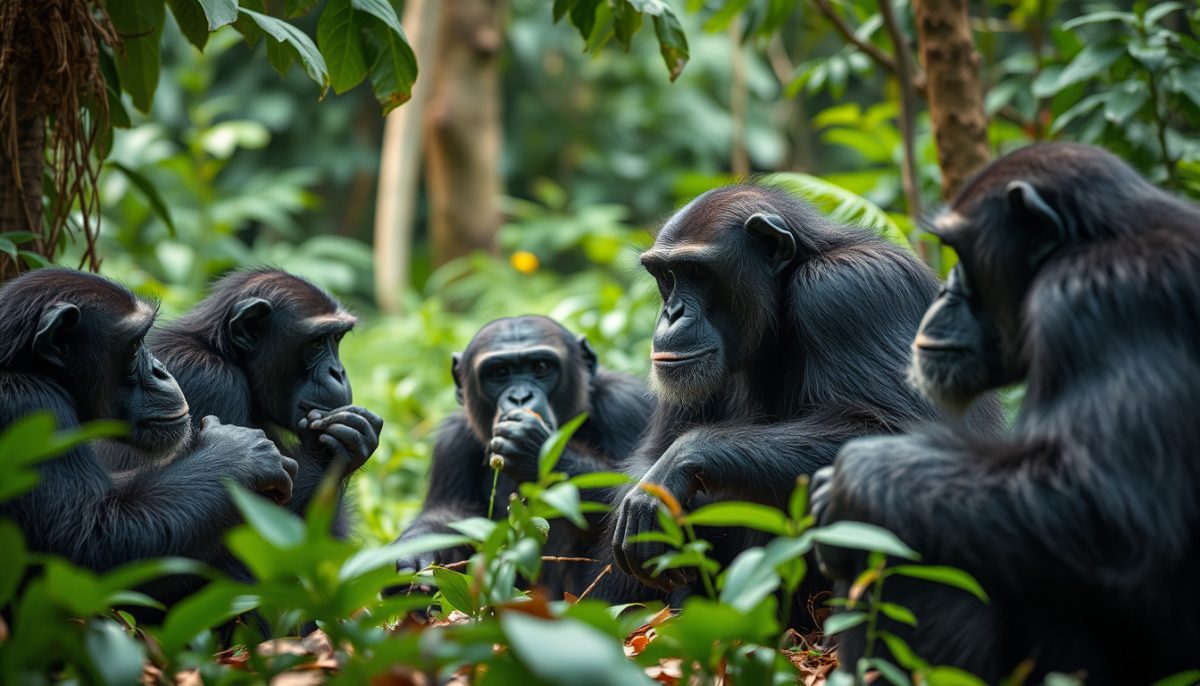
In the heart of the lush African rainforests and vibrant jungles of South America, a subtle yet complex drama unfolds—the intricate social interactions among primates shaped by conflict.
Primate conflict research delves into a compelling subject that thrives at the intersection of animal behavior and conservation efforts. As global environmental challenges loom large, understanding how conflicts arise among primates is pivotal for developing effective strategies that support both primate species and their habitats.
The key to understanding lies in the delicate balance between social dynamics and environmental changes. This research may offer the insights necessary to preserve these remarkable creatures and their ecosystems.
Join us on a journey to unpack the nuances of primate conflict research and its far-reaching implications.
Key Takeaways
- Primate conflict research is crucial for understanding social dynamics within primate communities.
- Conflict plays a significant role in shaping the social structures and relationships of primates.
- Environmental changes can exacerbate conflicts among primate populations, influencing their survival.
- Understanding primate conflicts is vital for developing effective conservation strategies.
- Future research in primate conflict can enhance behavioral studies and improve species management practices.
Introduction to Primate Conflict Research
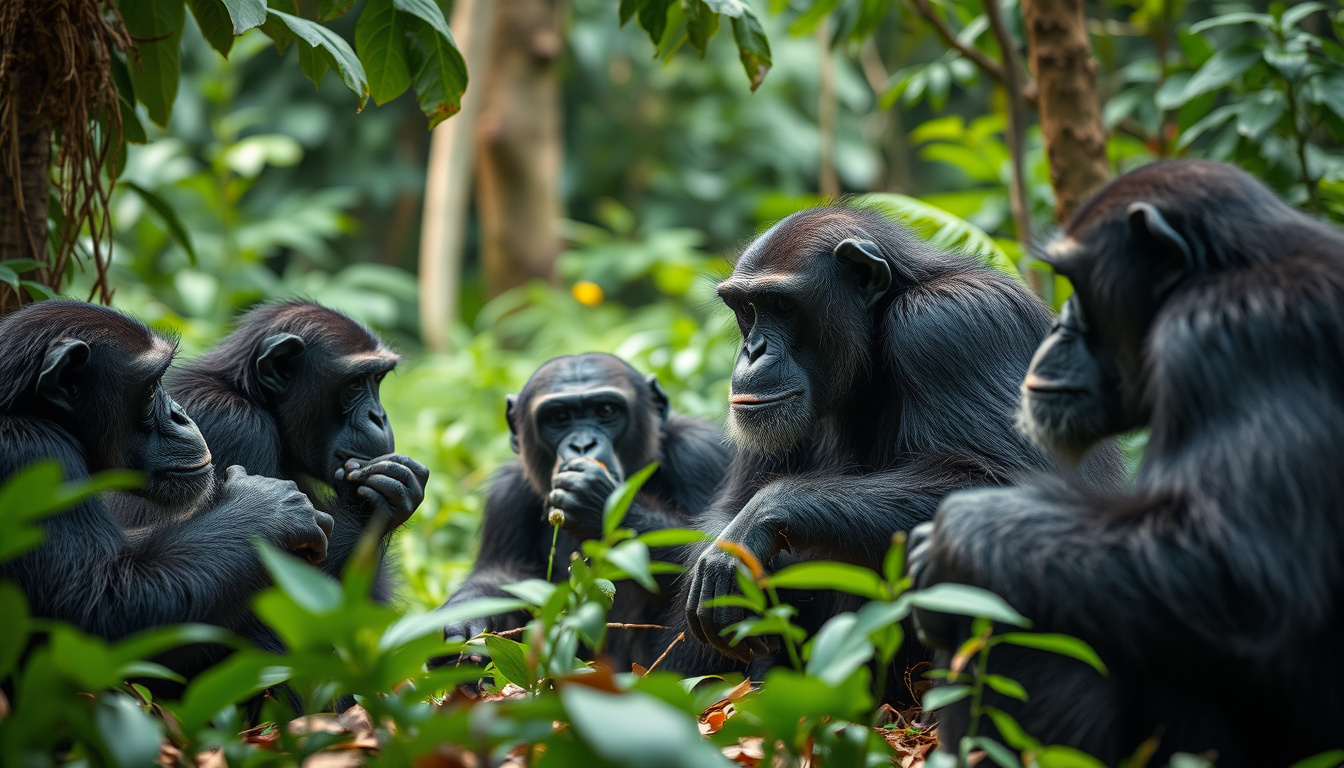
As scientists delve deeper into the complex world of primate behavior, the field of primate conflict research emerges as a vital area of study that uncovers the intricate social dynamics within primate groups.
This research seeks to understand how conflicts arise among these highly intelligent beings, driven by competition for resources, mating opportunities, and social hierarchy.
In the jungles of Uganda, home to a diverse array of primate species, researchers are unraveling the threads of conflict—insights that not only illuminate the lives of our closest relatives but also enhance our understanding of social behavior, cooperation, and evolution.
This fascinating exploration not only captivates the imagination but opens avenues for real-world experiences, such as tracking chimpanzees in their natural habitats and witnessing these social interactions firsthand.
The Role of Conflict in Primate Social Structures
As we peer into the complex world of primates, we uncover layers of behavior that are remarkably reflective of our own.
Primate conflict research has become a fascinating avenue for understanding how interactions within social groups shape behavior, hierarchies, and survival strategies.
These conflicts, which can be both fierce and subtle, play an essential role in structuring the social fabric of primate communities—from the smallest lemurs to the mighty chimpanzees.
Impacts of Environmental Change on Primate Conflicts
The study of primate conflict research has gained exceptional importance in recent years due to rapid environmental changes that threaten primate habitats.
As deforestation, climate change, and human encroachment disrupt ecosystems, they not only alter the physical environments where primates thrive but also intensify competition for dwindling resources.
These conflicts can manifest in various ways, from aggressive encounters between species fighting for territory to increased competition for food and mating partners.
For instance, in Africa, the encroachment of agriculture into primate territories has led to heightened tensions among various species, often resulting in violent confrontations.
Primate Conflict and Its Implications for Conservation
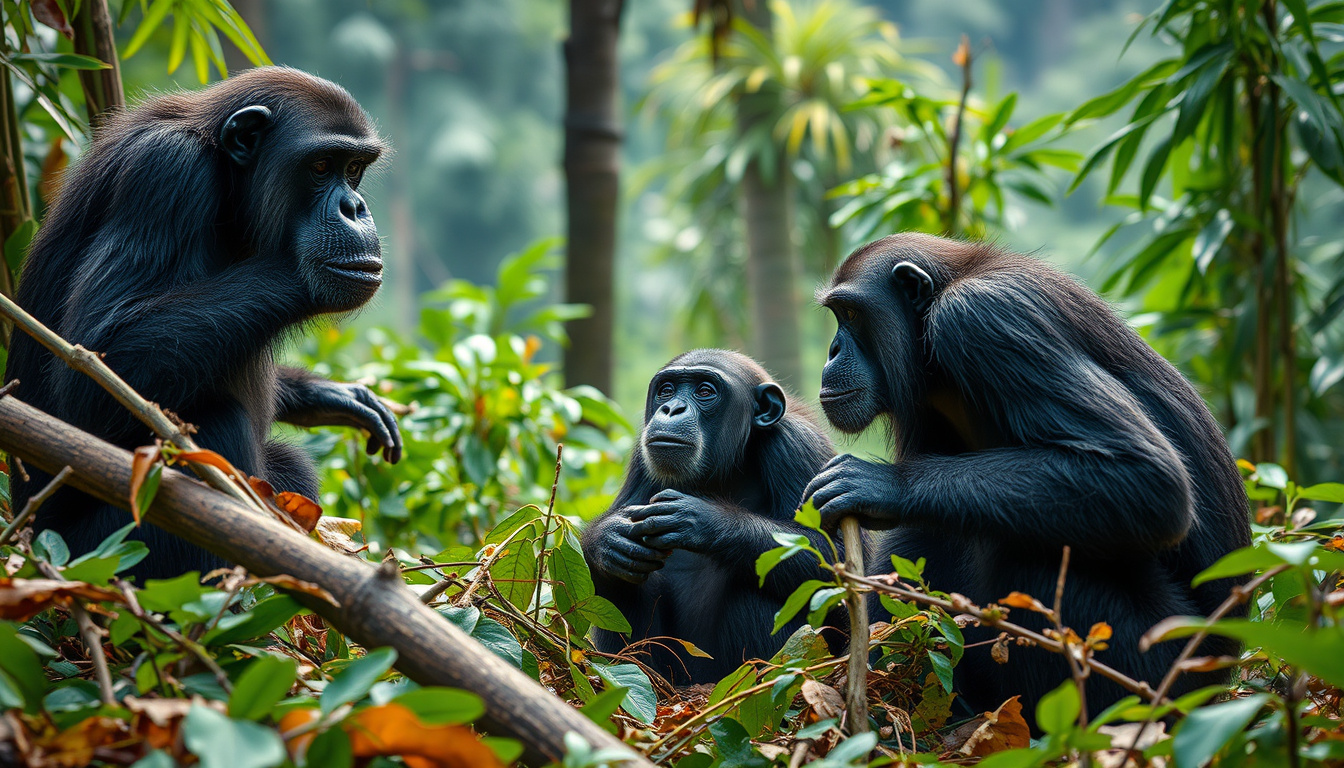
In the intricate web of nature, primate conflict research highlights the delicate balance between species survival, human interactions, and conservation efforts.
As we delve into the dynamics of primate behavior, this fascinating area of study sheds light on the reasons behind aggressive encounters among primates and their repercussions for conservation practices.