


“`html
Understanding Wildlife Conflict Behavior: Strategies for Coexistence and Solutions
In the heart of the African wilderness, a drama unfolds daily—one that pits the raw instincts of nature against the encroachment of human civilization.
The tension surrounding wildlife conflict behavior unveils a gripping narrative of survival, desperation, and resilience.
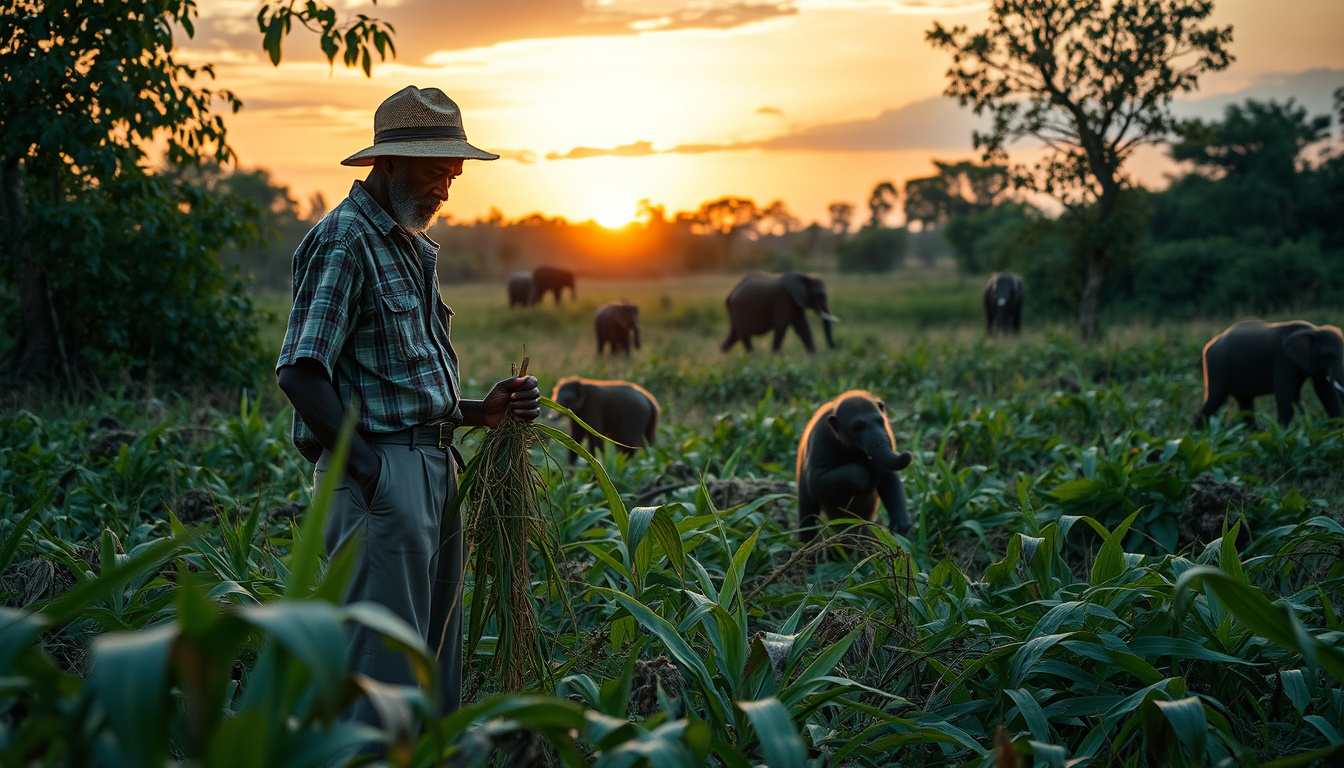
Imagine farmers rising before dawn, only to witness the devastation wrought by elephants trampling their fields, or the heartache of communities confronting predators that threaten their livestock.
This stark reality highlights a pressing global challenge: how do we coexist with the wild?
In this exploration of wildlife conflict behavior, we will delve into its common causes, impacts on local communities, and innovative strategies for harmonious coexistence that could redefine our relationship with nature.

Key Takeaways
- Wildlife conflict behavior often stems from competition for resources between humans and animals.
- Understanding the common causes of wildlife conflicts is crucial for developing effective management strategies.
- Wildlife conflicts can have significant economic, social, and ecological impacts on affected communities.
- Implementing practical strategies and community engagement can lead to successful coexistence with wildlife.
- Reviewing case studies provides valuable insights into successful conflict mitigation initiatives and future directions.
Overview of Wildlife Conflict Behavior
Wildlife conflict behavior refers to the interactions and confrontations that occur between humans and wildlife, particularly when animals encroach on human-populated areas in search of food, habitat, or safety.
In regions where natural habitats have been disrupted due to urbanization or agricultural expansion, these conflicts have become increasingly common.
For instance, elephants raiding crops or predators attacking livestock are typical examples of wildlife conflict behavior.
These incidents not only threaten the livelihoods of local communities but also place the animals at risk, often leading to retaliatory actions by humans.
Understanding the root causes of wildlife conflict behavior is essential for developing effective management strategies that promote coexistence and ensure the protection of both wildlife and human interests.
Common Causes of Wildlife Conflicts
Wildlife conflict behavior often stems from a complex interplay of environmental and social factors.
As natural habitats become increasingly encroached upon by human developments—such as agriculture, settlements, and infrastructure—wild animals are forced into closer proximity with people.
This overlap creates scenarios where animals search for food and shelter, leading to increased encounters and potential conflicts with humans.
Additionally, animal behaviors such as territorial marking, scavenging, and foraging can lead to situations where wildlife might damage crops, livestock, or property, further escalating tensions.
The situation is compounded by factors like seasonal migrations, population pressures, and climate change, which can disrupt traditional animal migratory routes and intensify their dependence on human resources.
Understanding these dynamics is critical in managing wildlife conflict behavior effectively, thereby promoting coexistence between humans and wildlife.
‘The clearest way into the Universe is through a forest wilderness.’ – John Muir
Impacts of Wildlife Conflicts on Communities
Wildlife conflict behavior manifests when animals, driven by instinct or environmental pressures, encroach upon human habitats in search of food or territory.
This interaction often results in a tragic tug-of-war, with devastating consequences for both wildlife and local communities.
As humans expand their agricultural and living spaces into previously untouched wilderness, the potential for conflict escalates.
The consequences ripple through communities, leading to property damage, loss of livestock, and sometimes even human casualties.
This strain can foster resentment towards wildlife, leading not only to retaliation against the animals but also impacting the local ecosystem.
Additionally, the economic burden on farmers can result in diminished livelihoods and increased poverty levels, creating a cycle of desperation and conflict.
Understanding wildlife conflict behavior is vital for developing effective solutions that promote coexistence and support community resilience while preserving our planet’s diverse wildlife.
Strategies for Mitigating Wildlife Conflicts
As human populations expand and encroach upon natural habitats, the likelihood of wildlife conflict behavior escalates.
Achieving a harmonious coexistence between humans and wildlife requires practical, well-planned strategies tailored to specific contexts.
One effective approach involves community engagement through education, enabling locals to understand wildlife behaviors and the ecological roles these creatures play.
For instance, involving communities in wildlife monitoring initiatives can help identify potential conflicts before they escalate, fostering a sense of stewardship towards their natural neighbors. Another key strategy includes the implementation of deterrents—such as secure fencing, natural barriers, or noise devices—to minimize unwanted wildlife interactions with agricultural areas.
Moreover, adapting land-use practices can significantly reduce conflict; rotating crops, for instance, can prevent habituation of wildlife to certain food sources.
Lastly, investing in wildlife corridors can provide animals a safe passage to their habitats, reducing human-wildlife encounters.
By combining education, deterrents, adaptive practices, and habitat conservation, we can minimize wildlife conflict behavior and promote a harmonious coexistence with the natural world.

“`