
Unraveling the Mystery: What Caused the Chimpanzee War in Uganda?
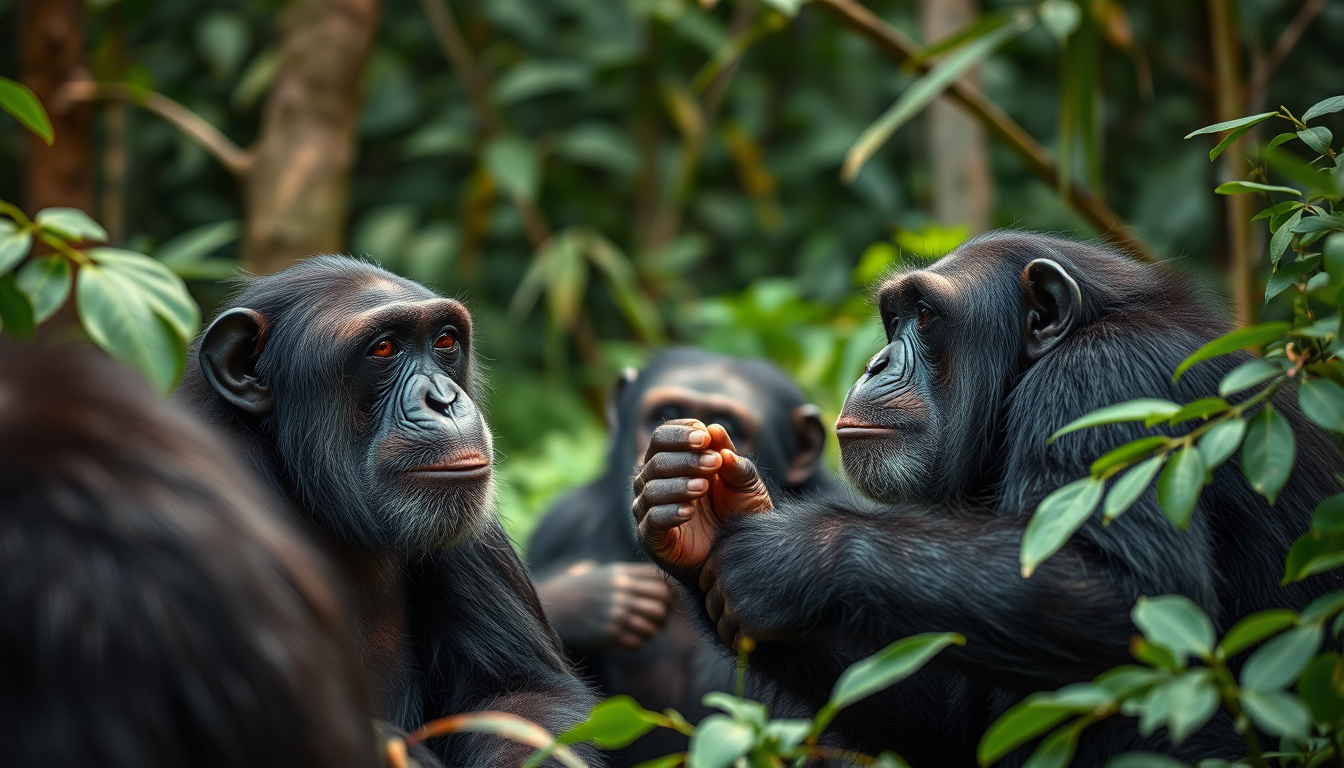
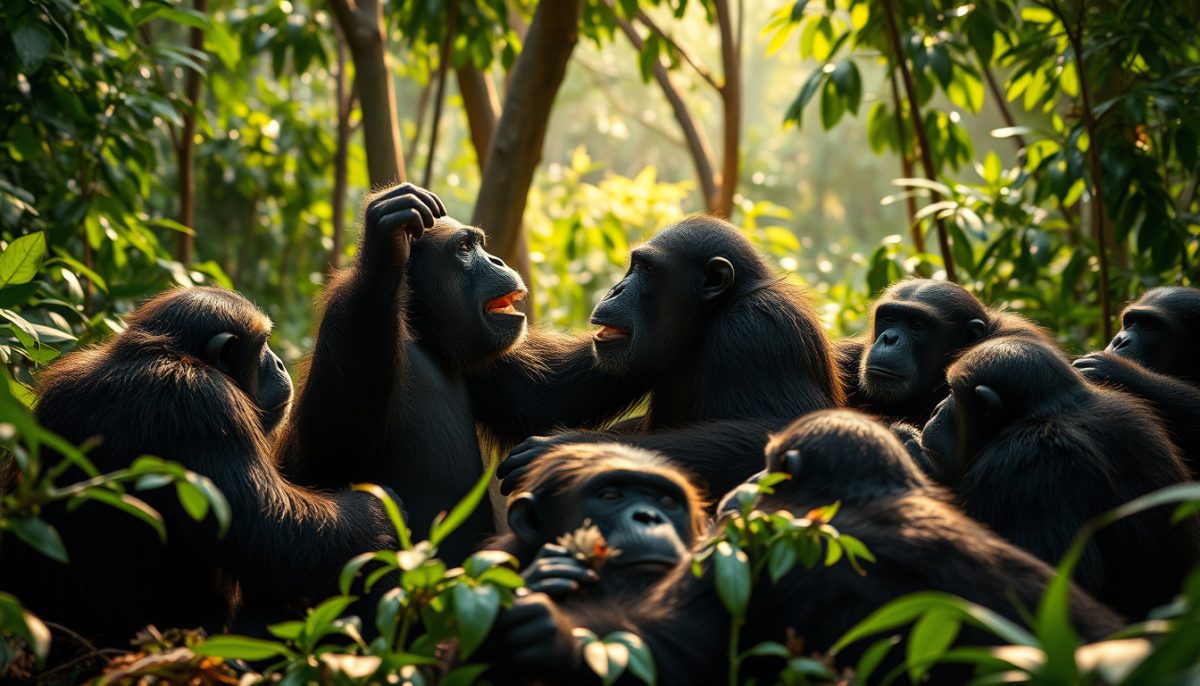
In the lush heart of Uganda’s jungles, the curious phenomenon of the Chimpanzee War has captured the attention of researchers and wildlife enthusiasts. This conflict among our closest relatives raises profound questions about behavior, survival, and the dynamics of chimpanzee societies.
As the sun filters through the dense foliage, the once harmonious calls of the forest have transformed into echoes of conflict, leaving a mystery in their wake.
What caused the Chimpanzee War in Uganda?
We will delve into the social intricacies of these remarkable primates, the impact of their habitats, and the effects of human interaction. Prepare to journey into a world where understanding and intervention blur as we unravel the events leading to this extraordinary clash.
Key Takeaways
- The Chimpanzee War in Uganda stemmed from complex social dynamics within chimp communities.
- Habitat loss due to human activities has significantly escalated tensions among chimpanzee troops.
- Conflicts often arise when different groups compete for limited resources and territory.
- Behavioral changes in chimpanzees during the war highlight their adaptability and social intelligence.
- Conservation efforts are crucial to mitigate conflict and protect chimpanzee populations for the future.
Introduction to the Chimpanzee War in Uganda
In the lush rainforests of Uganda, a gripping saga has unfolded—the Chimpanzee War.
This remarkable tale, defined by the struggle between two distinct groups of chimpanzees, encapsulates the raw intensity of animal behavior and the complexities of social structures within primate communities.
But what caused the chimpanzee war in Uganda?
To understand this, we must delve into the delicate balance of territory, resources, and the intricate social bonds that create the framework for chimpanzee societies.
Researchers in the heart of Uganda’s verdant jungles have uncovered stories revealing the depths of animal conflict, echoing human themes of survival, cooperation, and domination.
We will unpack the factors that sparked this astonishing conflict, leading to a reflection on the traits we share with our closest relatives.
Background on Chimpanzee Social Dynamics
Chimpanzees are known for their complex social structures and behaviors, exhibiting a unique form of social dynamics that can often lead to conflict.
Understanding what caused the chimpanzee war in Uganda requires a closer look at the interplay between environmental stressors, territorial disputes, and social hierarchies within their communities.
In regions like Kibale National Park, chimpanzee groups establish territories rich in vital resources. When these become scarce due to deforestation or increased human encroachment, competition escalates.
Moreover, intricate social hierarchies and dominant males striving for control can escalate aggression, leading to ‘wars’ between rival groups, influenced by human activities like poaching and habitat destruction.
‘The truth is that we need to start thinking like a species, instead of a collection of individuals.’ – David Suzuki
The Role of Habitat Loss and Human Interaction
Chimpanzees are more than just our distant relatives; they are complex beings with rich social lives, emotions, and intelligence.
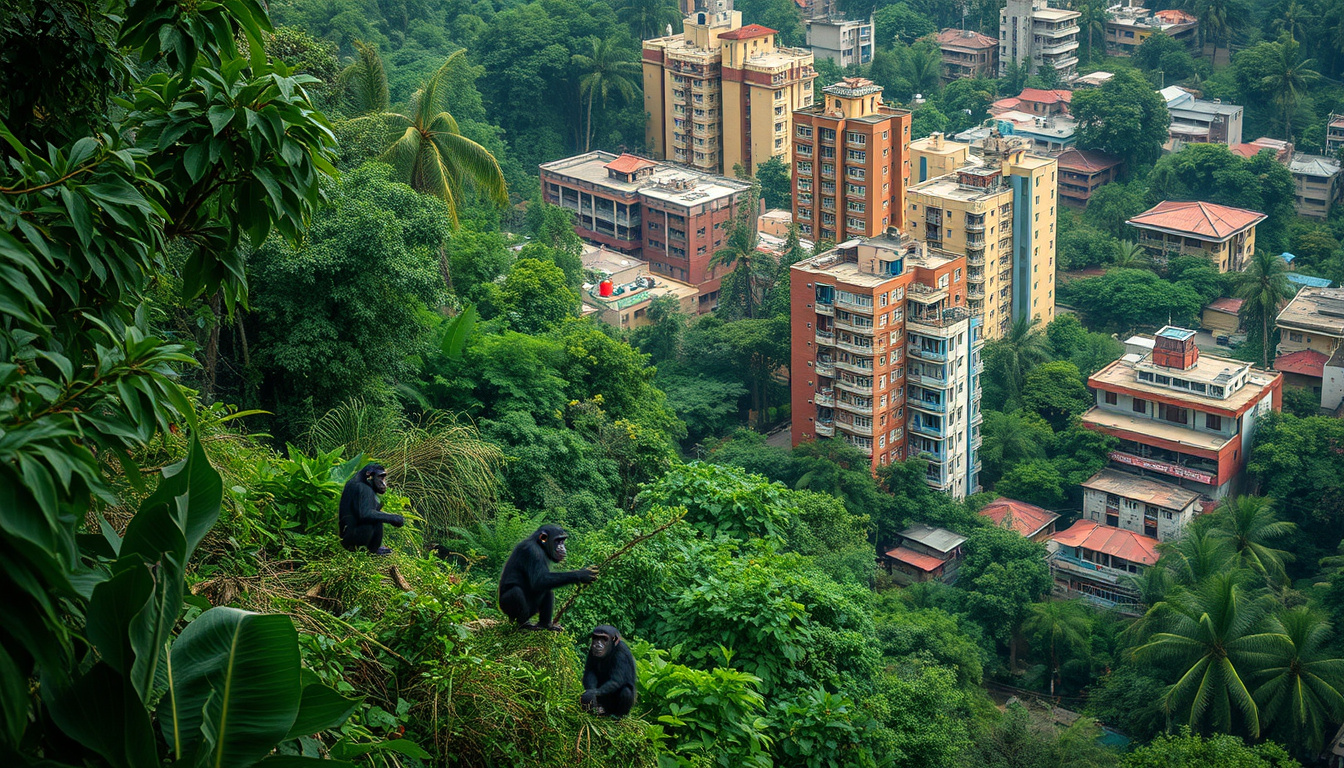
The increasing human population in Uganda has dramatically increased the demand for land—leading to habitat destruction.
This pressure has led to the destruction of vast swathes of forest, home to thriving chimpanzee communities. With their habitats diminishing, chimps are forced into closer proximity to human settlements, complicating the competition for resources.
Many farmers view chimpanzees as pests threatening their crops, often leading to violent conflicts. The illegal wildlife trade further exacerbates these tensions, underscoring the urgent need for conservation efforts that prioritize the preservation of chimpanzees and the integration of sustainable human practices.
Conflict Between Different Chimpanzee Troops
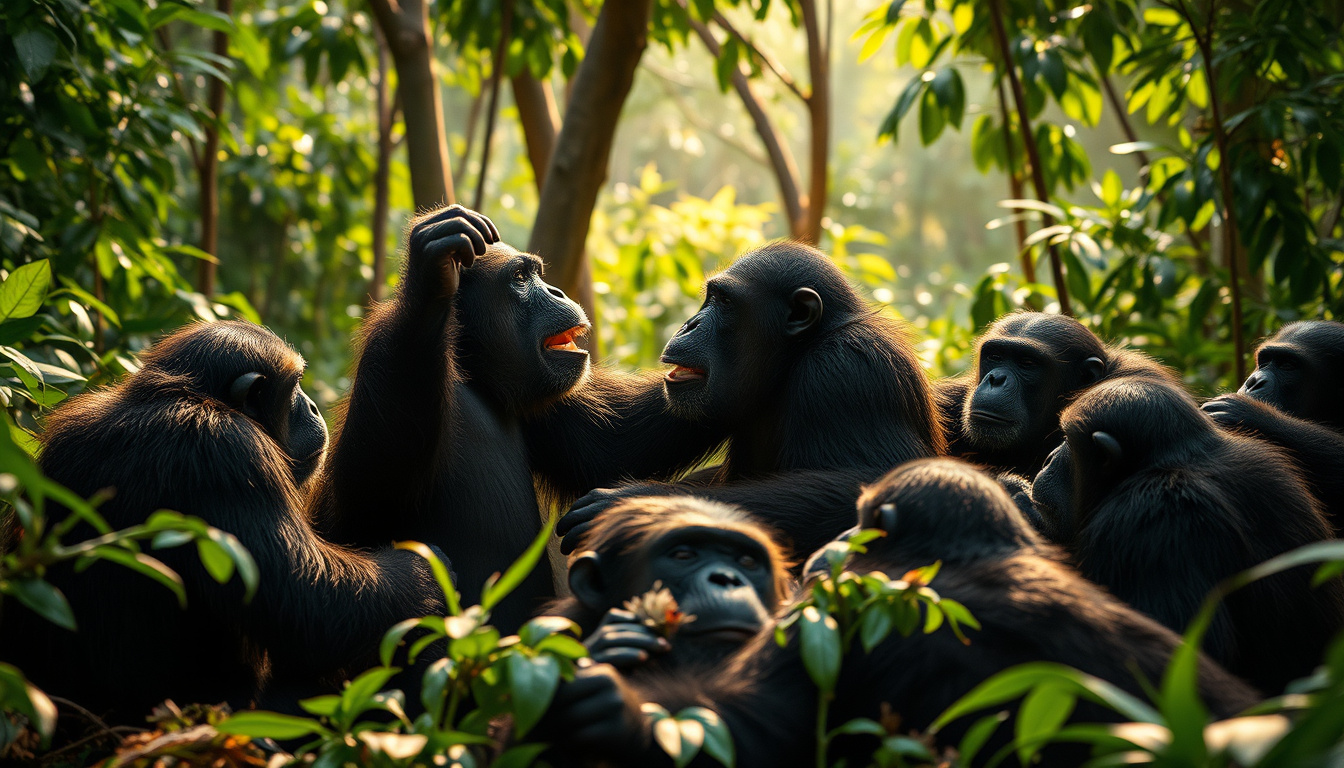
The lush, dense forests of Uganda are home to various wildlife, but the chimpanzee populations are particularly fascinating. Beneath the tranquil canopy lies a turbulent social structure, marked by violent conflicts between different chimpanzee troops.
When we explore ‘what caused the chimpanzee war in Uganda?’, we uncover a complex interplay of factors that echo human societies.
Chimpanzees are known for their intricate social dynamics, and confrontations are often deep-rooted, reflecting complex hierarchies and allegiances within and between troops.
These interactions provide a poignant glimpse into the survival instincts and social structures reminiscent of our own species.