

Discover Kibale Forest National Park: Uganda’s Premier Destination for Primate Watching
Quick Answer
What is Kibale Forest National Park?
Kibale Forest National Park is celebrated as Uganda’s premier sanctuary for primates. It houses a variety of primates with over 1,450 wild chimpanzees.
Where is Kibale Forest National Park located?
Situated in western Uganda near Fort Portal, the park is approximately 320 km from Kampala. A drive there takes about 4–5 hours.
Cost of Chimpanzee Trekking Permits:
- $250 USD for non-resident foreigners
- $200 USD for resident foreigners
- UGX 180,000 for East African residents
(Advance booking is essential, especially during peak seasons.)
Best Time to Visit:
Ideal visiting times are during the dry seasons: December to February and June to September. These months offer the best conditions for trekking and observing wildlife.
Experience Overview: Step Into a Primate Wonderland
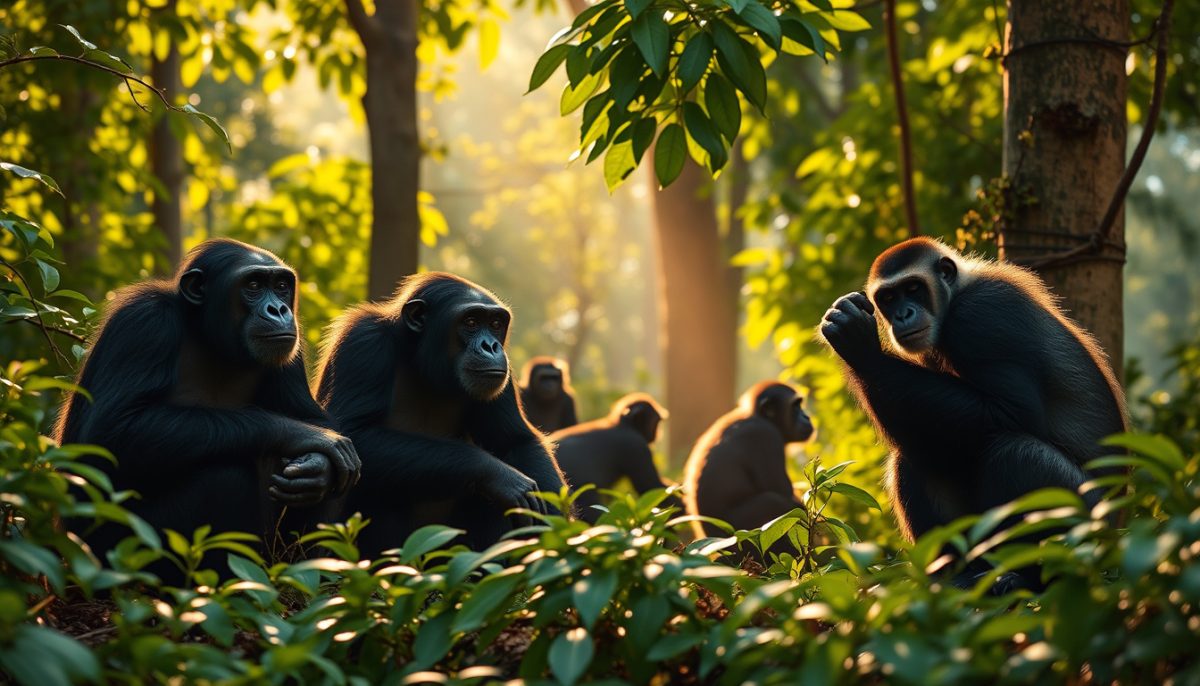
Envision stepping into a lush, ancient rainforest. Towering trees stretch up to 30 meters. The air is alive with the sounds of close primate calls, each breath bringing the fresh scents of moist earth and rich florals. Kibale serves as a vital haven, conserving some of Africa’s most special primate species. Thirteen primate species, including one of Africa’s largest wild chimpanzee groups, find sanctuary here.
Your adventure might start with a morning chimpanzee trek, where encountering chimps brings a surge of excitement. Perhaps, you’ll also glide into a wetland walk led by the community in nearby Bigodi, where papyrus birds dart through the air. Or explore Sebitoli, a serene area offering a true off-the-beaten-path experience, bringing you closer to the heart of Uganda’s wild.
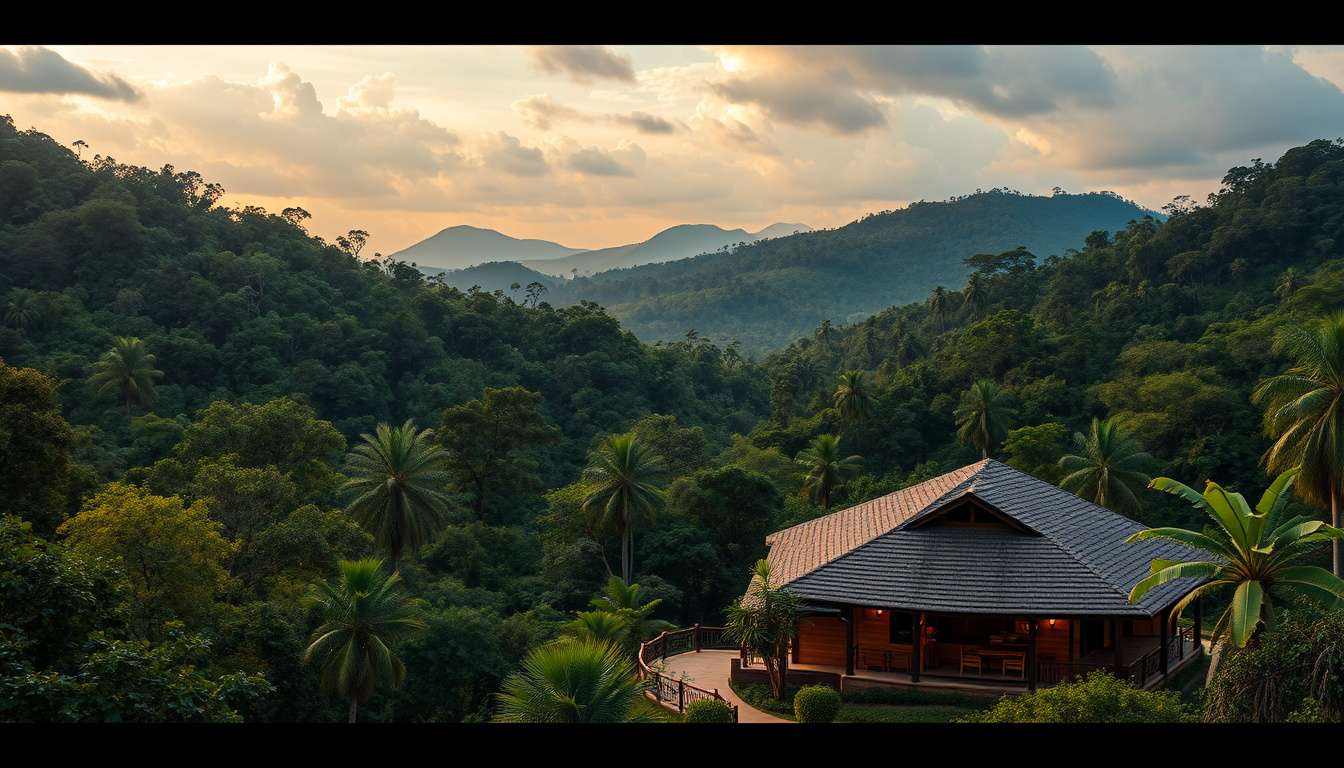
Key Locations and Wildlife Highlights
Kanyanchu Visitor Centre: The Gateway to Kibale’s Primate Trails
Most chimpanzee treks begin at Kanyanchu, where tea fields meet the edges of the forest. This area teems with wildlife, including red colobus monkeys and vibrant birds.
The Bigodi Wetland Sanctuary
Just 4 km from the park, Bigodi is a community-run wetland that provides refuge to timid primates, sitatungas, and over 138 bird species. Its boardwalks allow peaceful nature encounters that also benefit local communities.
Sebitoli Sector
Located in the park’s north, Sebitoli is less frequented by visitors but rich in wildlife. It offers tranquil hikes, birding, and primate watching.
Wildlife: The Primate Kingdom and Beyond
- Chimpanzees: Over 1,450 reside in several groups. Many are accustomed to human visitors, offering nearly guaranteed sightings on treks.
- Red Colobus Monkeys: Approximately 3,500 individuals reside in the park, making them a prime attraction.
- L’Hoest’s and Grey-cheeked Mangabeys: These primates are seen regularly under the guidance of expert trackers.
- Birds: The park hosts over 375 species. Highlight species from the Albertine Rift include the African pitta, green-breasted pitta, and blue-headed bee-eater.
- Other Mammals: The park’s diverse fauna includes forest elephants, bush pigs, sitatungas, duikers, leopards, and occasionally lions.
Practical Planning: Costs, Permits, and Logistics
Chimpanzee Permits
Although permits are costly, they play a crucial role in protecting the fragile chimpanzee populations. Most international visitors are charged $250 USD. Each permit includes park entry, a professional guide, security, and an hour of safe chimpanzee viewing. Booking two to three months in advance is recommended, particularly during peak periods (June–September, December–January).
Getting There
- By Road: It’s a 4–5-hour journey from Kampala to the park via the Kampala–Mubende–Fort Portal road, followed by a 45-minute drive from Fort Portal to the park entrance. The roads are well-paved and maintained.
- By Air: Charter flights from Entebbe to Kasese or Fort Portal airstrips reduce travel time significantly. A scenic 2-hour drive from Kasese brings you to the park.
Park Hours and Trekking Times
The park operates daily from 7:00 AM to 6:00 PM. Guided treks depart at 8:00 AM, 11:00 AM, and 2:00 PM, lasting 2–5 hours depending on chimpanzee location.
Health and Safety
Visitors must have a yellow fever vaccination. Taking malaria prophylaxis is advisable. Dress in light, long clothing and sturdy shoes. Maintain a minimum distance of 8 meters from the chimpanzees to avoid any risks.
Why Choose Uganda for Primate Safaris?
Kibale Forest National Park distinguishes itself as a unique African destination by offering:
- Primate Diversity: The park is home to thirteen primate species, more than any other protected area.
- High Chimpanzee Tracking Success: Successful sightings occur in over 90% of treks.
- Ecotourism Commitment: Efforts such as the community-run Bigodi Wetland advance both wildlife preservation and local livelihoods.
- Immersive Experiences: Unique opportunities like night walks and close chimpanzee encounters offer rare wildlife experiences.
While many East African parks showcase savannah ecosystems, Kibale offers an in-depth rainforest primate experience. It is often included in itineraries with other renowned Ugandan attractions such as Murchison Falls.
Suggested Itinerary: A Complete Uganda Safari Including Kibale
Day 1–2: Arrive in Kampala. Travel to Murchison Falls National Park for luxurious accommodation with exceptional views. Consider a stay at Igwara Lodge for an upscale experience.
Day 3–4: Next, head to Kibale Forest National Park either by road or air, enjoying guided chimpanzee treks and forest walks. Selection of lodges range from edge-of-forest locations to deep forest hideaways optimizing your trekking start.
Day 5: Opt for a chimpanzee habituation experience or a visit to the quieter Sebitoli for more wildlife encounters.
Day 6–7: Continue to either Bwindi Impenetrable Forest or Mgahinga Gorilla National Park for gorilla trekking. Enjoy additional primate sightings and relax at Igwara Lodge.
This itinerary combines Uganda’s top wildlife destinations, offering a rich blend of landscapes, cultures, and biodiversity.
FAQs
How long is a chimpanzee trekking experience in Kibale?
Each trek ranges from 2 to 5 hours. Once chimpanzees are located, you observe them for one hour from a safe distance.
Do I need prior experience or fitness for chimpanzee trekking?
A moderate fitness level is advisable as trails may be steep and slippery. The pace is accommodating for all participants.
What other primates might I see in Kibale?
Potential sightings include red colobus, black-and-white colobus, L’Hoest’s monkeys, grey-cheeked mangabeys, red-tailed monkeys, and olive baboons.
Is Kibale Forest accessible year-round?
The park is open throughout the year. Although trekking is easier during the dry seasons, chimpanzees are visible year-round.
Can I combine Kibale with other Uganda safaris?
Absolutely. Kibale pairs well with Murchison Falls, Queen Elizabeth, and gorilla parks, creating a comprehensive wildlife tour.
Conclusion: Your Gateway to Uganda’s Primate Treasures
Kibale Forest National Park offers an experience reminiscent of stepping back in time, with each moment immersing you deeper into Africa’s wild secrets. It provides intimate primate encounters and a biodiverse natural landscape. For travelers seeking close animal interactions and varied ecosystems, Kibale is an outstanding choice. With experienced guides, your journey through Uganda’s wild heart is seamless and enriching.
If you’re planning a memorable Uganda safari, Kibale integrates seamlessly with vibrant destinations like Murchison Falls and Bwindi. Accommodations like Igwara Lodge blend luxury with the raw beauty of nature, creating a travel experience that is both relaxing and exhilarating.
Let the forest lure you into an up-close primate adventure in Uganda.
For expertly tailored travel planning that meets your nature and comfort preferences, rely on specialists like Bushman Safaris, who open the door to Africa’s most intimate wildlife experiences.
For our top 3 recommended Uganda tours, simply text “Top 3 Tours” to info@bushmansafaris.com or WhatsApp +256 704 902398, and we’ll send you options customized to your travel needs.