

Understanding Chimpanzee Territorial Expansion: Insights into Their Behavior and Ecosystem Impact
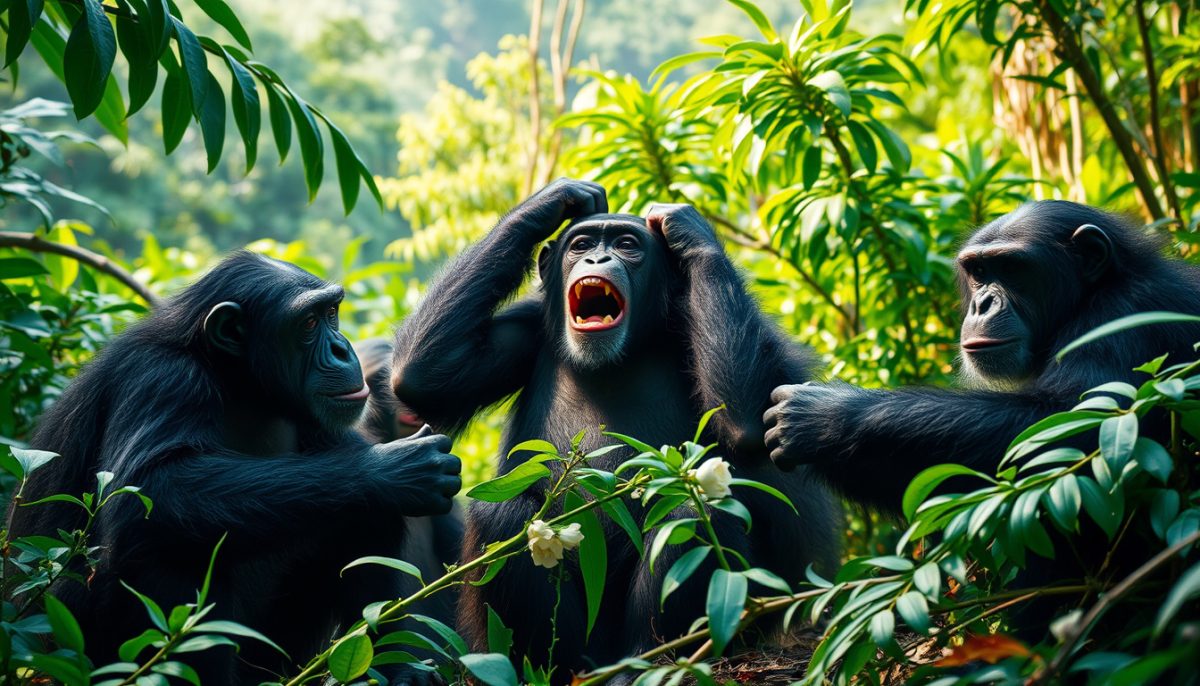
In the heart of the African jungle, hidden among the verdant canopies, lives one of our closest relatives: the chimpanzee. Their powerful calls resonate through the trees, reminding us of their intelligence, complex social structures, and the intriguing phenomenon known as chimpanzee territorial expansion.
Imagine witnessing a troop of chimpanzees engaging in spirited displays of power and unity, marking their territory with signs of subtle diplomacy and outright conflict.
But why do they invest such energy in expanding and defending their home range?
Understanding chimpanzee territorial expansion not only unveils the intricacies of their behavior and social interactions but also highlights their critical role in the ecosystem.
In the lush landscapes of Uganda, home to these remarkable primates, a deeper examination of their territorial behavior offers vital insights into their survival and the conservation challenges they face.
Key Takeaways
- Chimpanzee social structures are complex and influence their territorial behaviors.
- Territorial expansion is driven by factors such as food availability and competition with other groups.
- Chimpanzees employ various strategies to defend their territories from intruders.
- Territorial expansion can significantly alter ecosystem dynamics and species interactions.
- Human activities pose threats to chimpanzee habitats, necessitating urgent conservation efforts.
The Social Structure of Chimpanzee Communities
Chimpanzee territorial expansion is not merely a matter of acquiring more land; it’s deeply entwined with their complex social structures.
Understanding the organization within chimpanzee communities reveals the intricate dynamics that govern their movements and interactions.
Chimpanzees live in communities that can range widely in size, typically comprising 20 to over 150 members. Within these groups, a hierarchy often exists, with dominant males asserting control over resources and mating opportunities. This social hierarchy significantly influences behavioral patterns.
While males often lead initiatives in territorial expansion, females also play crucial roles, particularly in maintaining community bonds and nurturing the next generation.
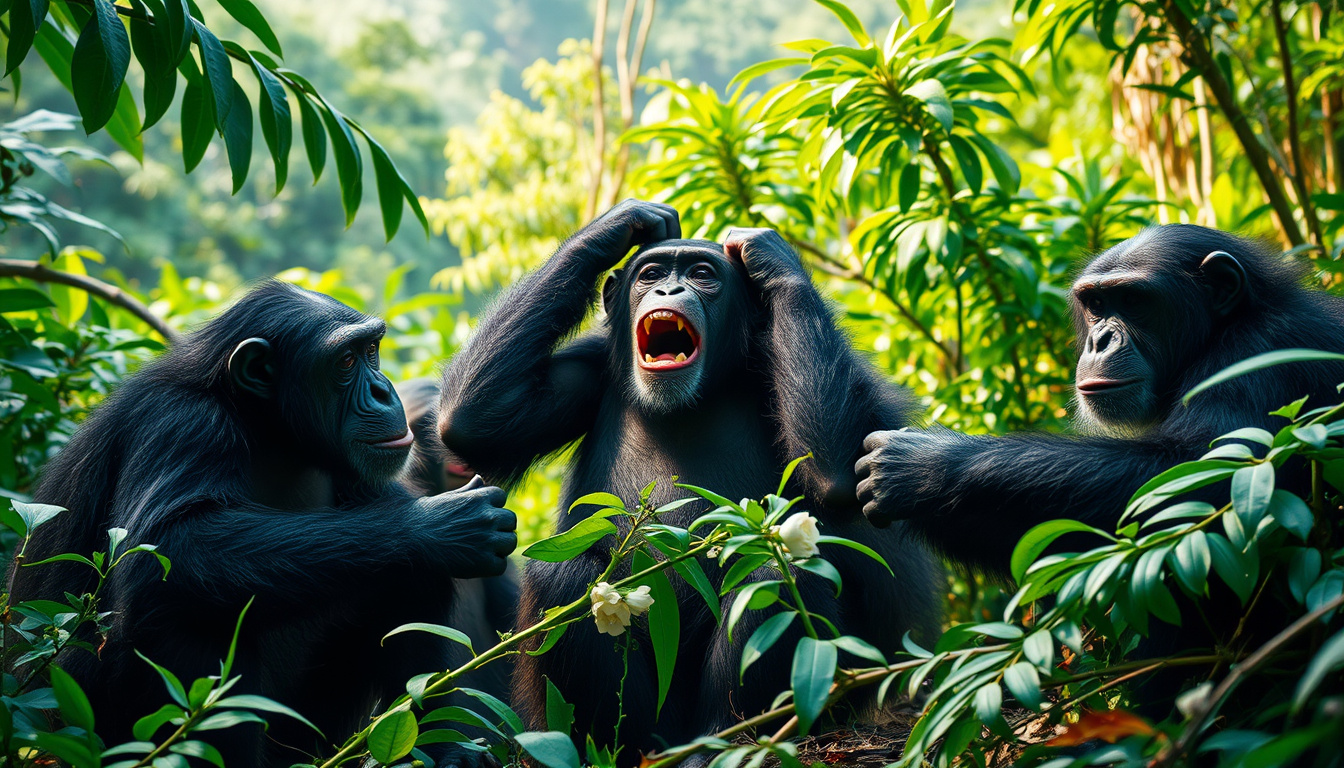
The relationships within these communities are characterized by strong social ties, with friendships often marked by grooming behavior and coalition-building, essential for survival in their competitive environments.
The leader or alpha male’s ability to manage alliances and monitor rival groups is pivotal in determining the success of territorial expansion, as it affects access to food resources and mating partners.
Moreover, chimpanzees are not only reactive to threats; they can be quite strategic. Observations of their behavior show that they patrol borders between territories and confront rival groups if they perceive an encroachment on their domain. This measured approach showcases a blend of instinctual behavior and learned strategies, with the stakes involving not just survival but the perpetuation of their lineage.
Factors Influencing Territorial Expansion
Understanding the factors influencing chimpanzee territorial expansion provides insights into how chimpanzee populations navigate their environments, compete for resources, and maintain social hierarchies.
One major factor is the availability of food resources; regions with abundant fruits and vegetation are likely to attract larger groups, prompting chimpanzees to expand their territories to secure these crucial necessities. Competition with neighboring groups can also drive territorial expansion; when resources are scarce, instinctual survival mechanisms push chimpanzees to encroach upon the territories of others, leading to potential conflict. Additionally, the presence of predators can influence how chimpanzees define their boundaries, as a safer environment encourages larger territories. Finally, social dynamics within the troop, including alliances and rivalries, play a critical role in determining how and when a group decides to expand its territory.
‘The greatness of a nation and its moral progress can be judged by the way its animals are treated.’ – Mahatma Gandhi
Methods of Territory Defense in Chimpanzees
Chimpanzee territorial expansion is a fascinating aspect of their social behavior, closely tied to survival and resource allocation. In the dense forests of Uganda, where these intelligent primates thrive, territorial disputes can often occur.
### Vocalizations and Displays
One of the primary methods chimpanzees use in territory defense is through vocalizations. They communicate boundaries with loud calls and screams, alerting potential intruders of their presence. This auditory warning often serves as a deterrent, allowing groups to assert dominance without physical confrontation.
### Group Coordination
Chimpanzees are highly social animals, and their ability to coordinate with one another plays a critical role in defending territory. When a rival group encroaches, individuals within the defending group rally together, showcasing collective strength.
### Aggression and Conflict
While sometimes a show of strength is enough to deter attackers, chimpanzees will not shy away from physical confrontations if necessary. Battles can ensue if rival groups persistently invade a territory. During these encounters, aggression can escalate quickly, and the outcomes can have lasting impacts on group dynamics, influencing future territorial expansions and resource availability.
### Strategic Retreat
Interestingly, chimpanzees also exhibit strategic behaviors by sometimes opting for retreat over direct confrontation, especially if they are outnumbered. This form of defense allows them to conserve energy and regroup for future encounters.
### Conclusion
Understanding these territorial defense methods offers deeper insight into the rich behavioral patterns that characterize chimpanzees. These fascinating strategies not only reveal their intelligence but also hint at evolutionary parallels with human social organization, reminding us of the intricate dance of survival within the vibrant ecosystems of Uganda’s forests.
Impact of Territorial Expansion on Ecosystem Dynamics
## Impact of Chimpanzee Territorial Expansion on Ecosystem Dynamics
Chimpanzees, our closest living relatives, exhibit complex behaviors, particularly when it comes to territorial expansion. This phenomenon is not just a matter of individual survival; it significantly influences the broader ecosystem dynamics in which these primates thrive.
When chimpanzee groups encroach into neighboring territories, they often come into conflict with other primates and wildlife, which can lead to shifts in species distribution across the landscape. Such competition can reduce the local biodiversity as certain species become overwhelmed or outcompeted for resources. Moreover, the presence of larger populations in a given area amplifies the pressure on resources such as fruits and plants, leading to changes in vegetation patterns. This can, in turn, affect the availability of food for other animal species that rely on those plants, showcasing a cascading effect throughout the ecosystem.
The territorial expansion of chimpanzees also highlights their adaptive behaviors and intelligence. By employing tools such as sticks to extract termites or crafting stones to crack nuts, they modify their landscape and their feeding tactics, demonstrating a profound relationship with their habitat. Additionally, territories that experience frequent chimpanzee activity may see an increase in nutrient cycling, as these intelligent primates contribute to seed dispersal through their foraging habits.
In regions such as Uganda, where tourism plays a critical role in conservation, understanding the impact of chimpanzee territorial expansion can offer valuable insights. Eco-tourism efforts that focus on tracking the movements and behaviors of these fascinating primates provide opportunities for researchers and tourists alike to observe the dynamic interplay between chimpanzees and their environment first-hand. This interplay not only emphasizes the importance of protecting their habitats but also informs strategies for sustainable development that take into account the complex relationships in these ecosystems.

Human Influence on Chimpanzee Territories
### Human Influence on Chimpanzee Territories
The natural world is in a constant state of flux, and perhaps nowhere is this more evident than in the realm of chimpanzee territorial expansion. These remarkable primates exhibit complex social networks and territorial behaviors that mirror those of human societies. However, their expansion is increasingly hindered by human activities. As agriculture encroaches upon forested areas, the vast and verdant domains that once belonged to chimpanzees are shrinking. Logging, mining, and urban development further exacerbate the loss of their habitat, transforming expansive territories into fragmented patches. This loss not only threatens the social structure of chimpanzee communities but also compromises their ability to adapt to changing environmental conditions. The encroachment of humans is not merely a physical barrier; it creates psychological pressures that can alter chimpanzee behaviors, leading to stress and aggression. Monitoring these changes is crucial, as understanding the interplay between human actions and chimpanzee territoriality can pave the way for conservation efforts that harmonize both species’ needs.
Through responsible tourism and habitat preservation, humans hold the power to influence the future of chimpanzee territories, ensuring these sentient beings can thrive in their natural environments.
Conservation Efforts and Future of Chimpanzee Habitats
### Conservation Efforts and Future of Chimpanzee Habitats
The expansion of chimpanzee territories not only reflects the adaptability of these incredible primates but also highlights the pressing need for ongoing conservation efforts. As their habitats diminish due to human activities such as agriculture, logging, and urban development, understanding chimpanzee territorial expansion becomes critical in shaping effective conservation strategies.
Organizations and local governments are working tirelessly to establish protected areas and wildlife corridors that allow for safe movement between fragmented habitats. By researching how chimpanzees expand their territories and adjust to environmental changes, conservationists can better manage natural resources and implement community-based initiatives that prioritize both ecological integrity and local livelihoods.
In Uganda, where dense rainforests provide a sanctuary for chimpanzees, conservation efforts also involve community education and eco-tourism initiatives. By engaging local populations as stakeholders in wildlife conservation, the hope is to foster a sense of responsibility and connection to the land, ultimately guiding the future of chimpanzee habitats in a more sustainable direction. With a commitment to preserving their natural environment, Uganda aims to protect the remarkable behaviors and social structures of chimpanzees while ensuring these intelligent beings can continue to thrive amidst a changing world.
Frequently Asked Questions
What factors influence the territorial expansion of chimpanzees?
Territorial expansion in chimpanzees is influenced by several factors, including social hierarchy, availability of resources such as food and water, population density, and environmental changes. These factors determine how chimpanzee communities interact with each other and their surrounding ecosystems.
How do chimpanzees defend their territories?
Chimpanzees employ various methods to defend their territories, including vocal displays, physical confrontations, and strategic patrolling. Males often take the lead in territory defense, using loud calls to warn intruders and engaging in aggressive encounters if necessary.
What is the impact of chimpanzee territorial expansion on their ecosystem?
Territorial expansion can significantly affect ecosystem dynamics by altering the distribution of plant and animal species. As chimpanzees expand their territory, they may impact local vegetation through foraging, which can influence habitat availability for other species and the overall health of their ecosystem.
How do human activities affect chimpanzee territories?
Human activities, such as deforestation, agriculture, and urban development, can encroach upon and fragment chimpanzee habitats, leading to reduced territory size and increased competition for resources. These impacts can disrupt the social structure of chimpanzee communities and threaten their survival.
What conservation efforts are in place to protect chimpanzee habitats?
Conservation efforts aimed at protecting chimpanzee habitats include the establishment of protected areas, reforestation projects, and community-based conservation programs. These initiatives seek to mitigate human impact on chimpanzee territories and promote coexistence between chimps and local communities.
If this story sparked your curiosity, you can experience it firsthand.
Bushman Safaris offers curated chimpanzee tracking experiences in Uganda, including access to Kibale National Park and the Ngogo region where these remarkable behaviors have been observed.
For our top 3 recommended Uganda chimpanzee tours, simply text “chimpanzee” to info@bushmansafaris.com
or WhatsApp +256 704 902398, and we’ll send you tailored options based on your travel preferences.