

Exploring Fascinating Animal Social Behavior Patterns: Insights from the Wild
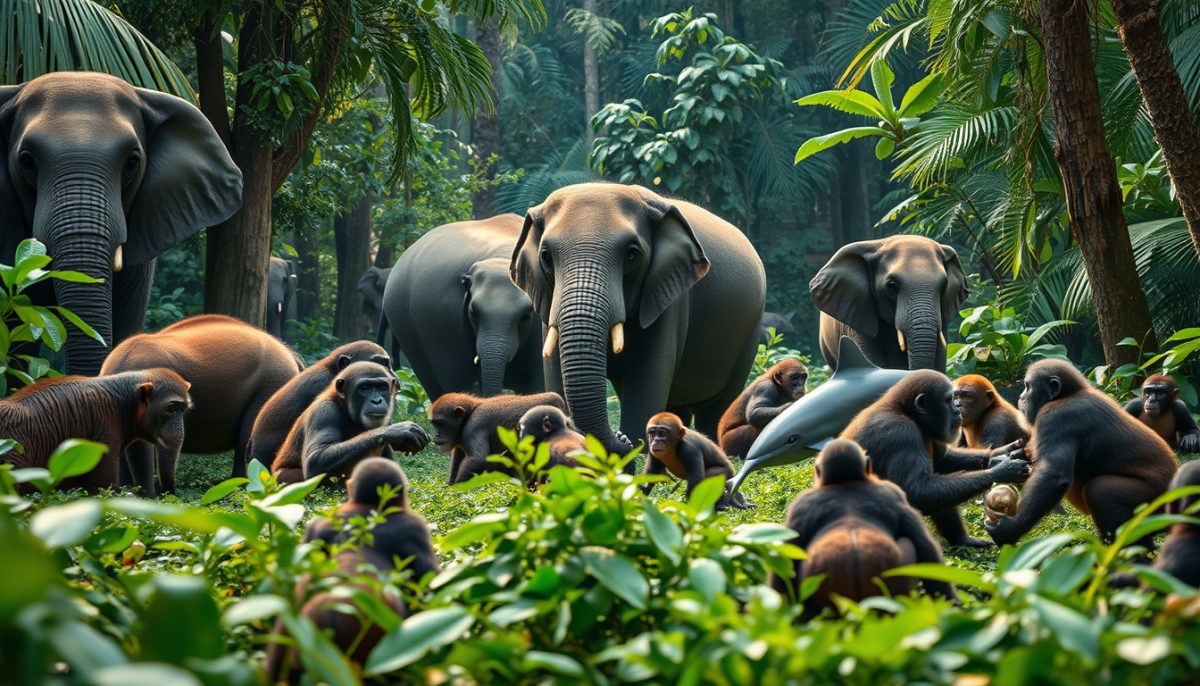
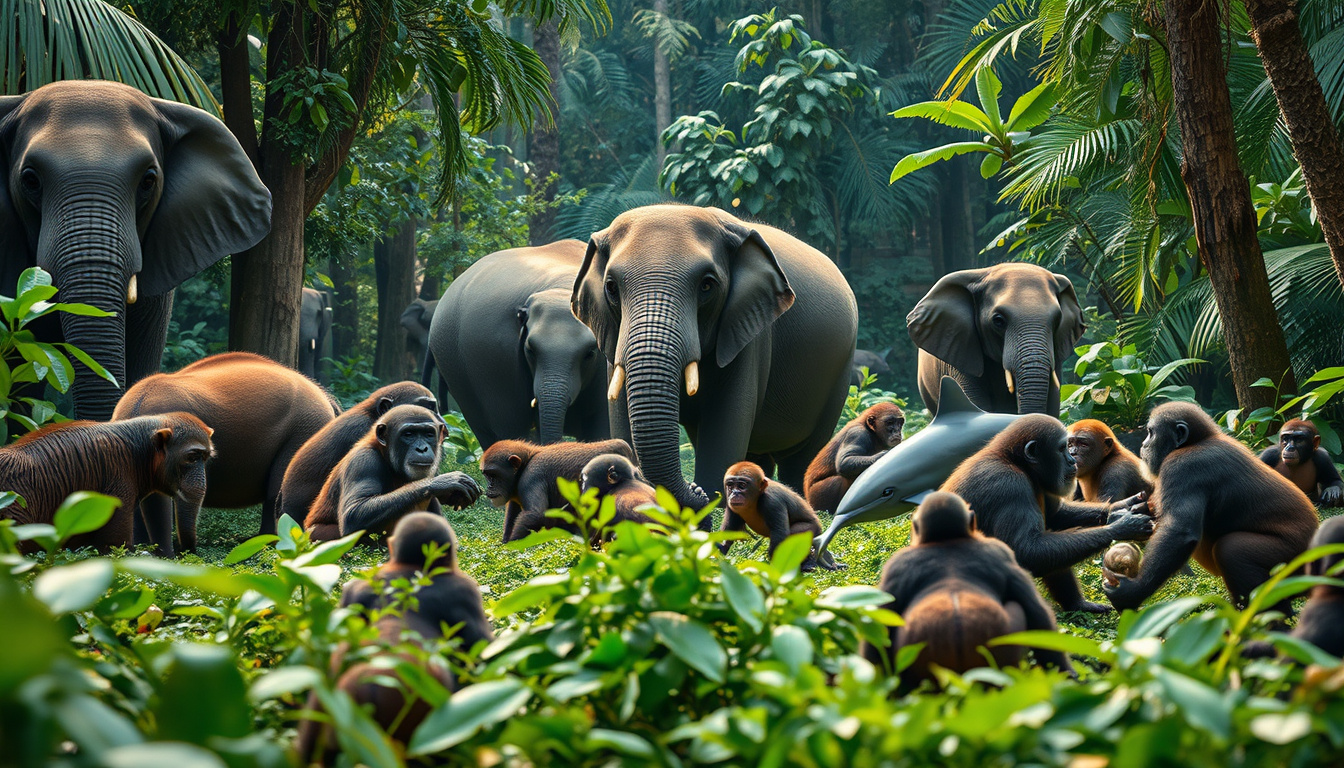
Animal social behavior patterns offer a unique window into the complex interactions that define the natural world. In the heart of the wild, sunlit forests cradle whispering winds, creating a backdrop for a dynamic ecosystem where intricate relationships, conflicts, and social hierarchies thrive.
On a typical day, a troop of chimpanzees embraces the trees, playfully grooming each other and strategizing for their next foraging expedition. Such scenes encapsulate the mesmerizing realm of animal social behavior, a lens through which we can appreciate the intricate tapestry of life that surrounds us.
As we delve into this captivating subject, we uncover how social structures are fundamental to survival and reflect the evolutionary paths shared by diverse species. With a closer look at communication techniques, the role of the environment, and real-world examples of interactions, we discover the profound lessons these animals reveal in our quest to understand both them and ourselves.
Key Takeaways
- Animal social behavior patterns are crucial for survival and reproduction.
- Social structures within animal communities provide stability and cooperation.
- Examples like wolf packs and dolphin pods highlight complex social interactions.
- Communication methods such as vocalizations and body language facilitate social connections.
- Environmental factors significantly influence the development of social behaviors in animals.
Introduction to Animal Social Behavior
In the heart of nature, the intricate web of life often mirrors human societies, revealing profound truths about animal social behavior patterns. Imagine a troop of chimpanzees grooming each other under the emerald canopy of Uganda’s lush rainforests.
This scene isn’t merely a charming snapshot of wildlife; it’s a vivid illustration of complex social bonding, communication, and hierarchical structures that define their existence. Each interaction, from playful antics to solemn grooming rituals, speaks volumes about their relationships and survival strategies.
Just as we navigate friendships and familial ties, animals engage in a dance of connection that is equally essential for their well-being and success in the wild. Delve deeper into the realm of animal behavior, and you’ll uncover a captivating world where social dynamics, cooperation, and even conflict shape not just the lives of animals but the ecosystems they inhabit.
The Importance of Social Structures in Animal Communities
Understanding animal social behavior patterns helps us unlock the intricate social structures that govern communities in the wild. Whether it’s the highly organized hierarchies of wolves, the matriarchal societies of elephants, or the collaborative dynamics seen in primate groups, each species showcases remarkable adaptations to foster survival through social interaction.
These patterns often involve established dominance hierarchies, cooperative breeding, and mutual grooming, all vital for thriving in diverse environments. The importance of these social structures extends beyond mere survival; they dictate everything from mating behaviors to resource allocation and influence how animals engage with and adapt to their ecosystems.
By examining these behaviors, researchers glean insights into the evolutionary advantages of social living, including increased protection from predators, improved foraging efficiency, and enhanced learning opportunities for younger members of the community.
The study of animal social behavior patterns not only offers a window into the lives of these fascinating creatures but also highlights the complex relationships that can mirror some aspects of human social interactions.
‘The animal shall not be measured by man. In a world older and more complete than ours, they move finished and complete, gifted with extensions of the senses we have lost or not yet attained, living by voices we shall never hear.’ – Henry Beston

Examples of Complex Social Interactions
Animal social behavior patterns exhibit a stunning array of complex interactions that illustrate the depth of strategies employed by various species in their communities. For instance, in the savannah grasslands, lions demonstrate intricate social dynamics within their prides.
These large cats rely on cooperative hunting strategies while also engaging in playful and nurturing behaviors toward their cubs, reinforcing social bonds and teaching vital survival skills. In the ocean depths, dolphin pods display remarkable communication skills; they use a variety of clicks, whistles, and body movements not only to coordinate hunts but also to establish social hierarchies and maintain relationships within groups.
Meanwhile, chimpanzees, our closest evolutionary relatives, exhibit profound social structures characterized by grooming behaviors that serve to strengthen alliances and resolve conflicts. These examples underscore how various species have evolved multifaceted social behaviors that enhance their survival, establish hierarchies, and foster a sense of community, illustrating the fundamental role social interactions play in the animal kingdom.
Communication Methods in Animal Social Groups
The intricacies of animal social behavior patterns reveal a vibrant tapestry of communication methods employed by various species. Whether through vocalizations, body language, or chemical signals, the ways animals convey messages to one another are as diverse as the creatures themselves.
For example, dolphins utilize a complex system of clicks and whistles to maintain social bonds and coordinate hunting strategies, while meerkats exhibit unique vocal calls to notify their group of potential predators. In the avian world, songbirds often engage in melodious exchanges, conveying everything from territory claims to mating readiness.
Additionally, the pheromonal cues used by insects, like ants, communicate information about food sources and nest locations within their colonies. Understanding these animal social behavior patterns offers profound insights into the evolution of social structures and the fundamental ties that bind these groups together in the wild.

The Role of Environment in Shaping Social Behavior
In the intricate tapestry of animal social behavior patterns, the environment plays a crucial role in shaping how species interact, form bonds, and adapt to survival challenges. Within the animal kingdom, social structures can vary dramatically—from the tightly knit familial units of elephants to the transient groups of migratory birds.
The availability of food, presence of predators, and geographical features significantly influence these social dynamics. For instance, in dense rainforests, where resources are abundant but competition is fierce, primates like chimpanzees have developed complex social hierarchies and grooming rituals.
These behaviors not only enhance social cohesion but also offer individuals a better chance of survival within their communities. Understanding these environmental impacts allows researchers to appreciate the evolutionary pressures that guide social behavior patterns, shedding light on the interconnectedness of habitat and instinctive behavior.
Conclusion: Lessons from the Wild
The exploration of animal social behavior patterns in the heart of Uganda’s lush landscapes reveals an extraordinary world teeming with wildlife and rich in biodiversity. The majestic chimpanzees, our closest relatives in the animal kingdom, provide a fascinating glimpse into the intricate web of animal social behavior.
Observing these remarkable creatures in their natural habitat unveils not only their strikingly complex social structures but also deep lessons about connection, communication, and community. The dynamics of chimpanzee societies, from nurturing relationships to hierarchical dominance, allow us to draw parallels to human behavior and relationships.
Uganda, often hailed as the “pearl of Africa,” is one of the best places to witness these patterns firsthand, especially in renowned destinations like Kibale National Park and Bwindi Impenetrable National Park. Understanding the dynamics of these social constructs provides valuable insights into our own lives, expanding our understanding of behaviors like cooperation, competition, and empathy.
In addition, observing how chimpanzees resolve conflicts or cooperate for a common goal offers lessons on leadership and community-building that resonate deeply in our human societies. To truly grasp these fascinating animal social behavior patterns, nothing surpasses the experience of observing them in the wild.
The thrill of watching a grooming session or a playful interaction among young chimpanzees can ignite a profound connection to nature. Want to experience this in the wild?
You can request our top chimpanzee tracking experiences in Uganda by messaging “chimpanzee” to info@bushmansafaris.com or +256 704 902398. Stay in touch with nature at Igwara Lodge, a boutique stay that provides a serene and premium experience for travelers, inviting them to reflect on the beauty of wildlife just steps away from their doorstep.
Frequently Asked Questions
What are animal social behavior patterns?
Animal social behavior patterns refer to the various ways animals interact and organize themselves within groups. These patterns can include cooperation, communication, mating behaviors, and social hierarchies that facilitate survival and reproduction.
Why are social structures important in animal communities?
Social structures are crucial in animal communities as they provide stability, enhance cooperative behaviors, and improve resource sharing, ultimately leading to better survival rates and overall fitness of the species.
Can you give examples of complex social interactions in animals?
Yes! Complex social interactions include the intricate hierarchies in wolf packs, the cooperative breeding seen in some bird species, and the social grooming practices observed in primate groups, all of which highlight the sophisticated relationships among members.
How do animals communicate within their social groups?
Animals employ various communication methods within their social groups, including vocalizations, body language, scent marking, and visual displays. These methods help convey information about territory, mating readiness, and group cohesion.
What role does the environment play in shaping animal social behavior?
The environment significantly influences animal social behavior by providing resources, determining habitat availability, and affecting the risks of predation, all of which can drive adaptations in social structures and interactions within species.
If this story sparked your curiosity, you can experience it firsthand. Bushman Safaris offers curated chimpanzee tracking experiences in Uganda, including access to Kibale National Park and the Ngogo region where these remarkable behaviors have been observed. For our top 3 recommended Uganda chimpanzee tours, simply text “chimpanzee” to info@bushmansafaris.com or WhatsApp +256 704 902398, and we’ll send you tailored options based on your travel preferences.