

“`html
Mastering Nature: Incredible Animal Survival Strategies Unveiled
In the vast tapestry of nature, survival is the name of the game.
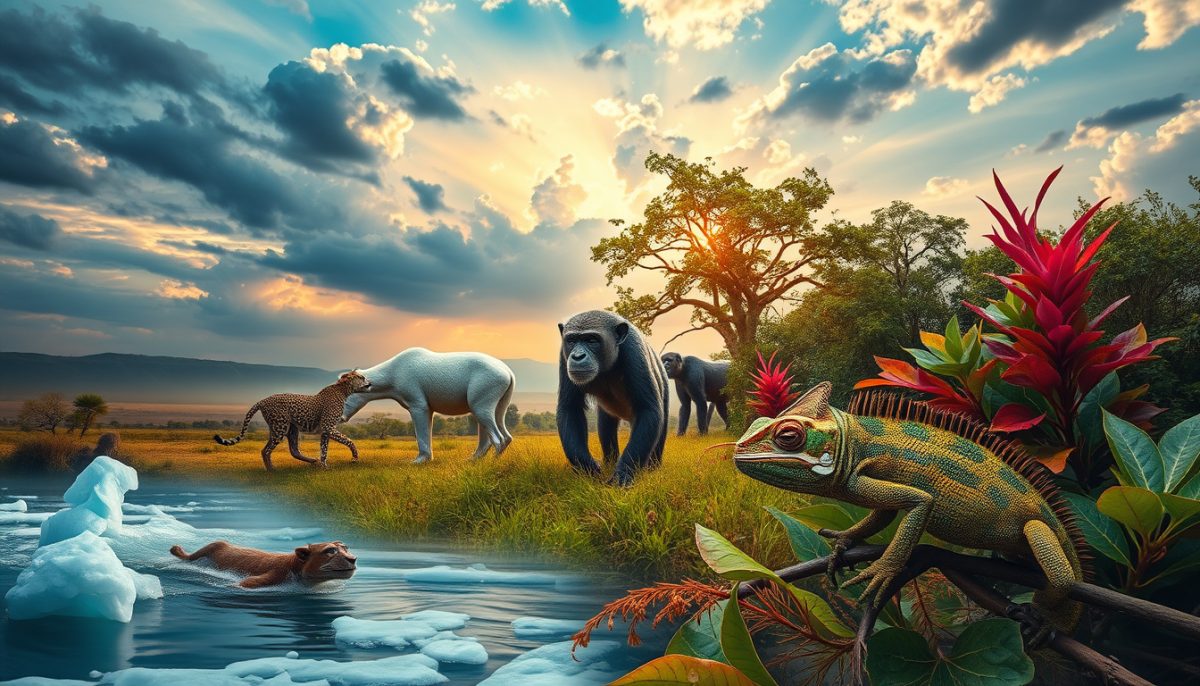
From the fabled chorus of a lion’s roar to the stealthy approach of a camouflaged chameleon, animal survival strategies reveal the remarkable ingenuity of life on Earth.
Picture this: a sleek leopard melting seamlessly into the dappled light of the savannah, or a flock of birds soaring thousands of miles in perfect formation, chasing warmer climates.
In the intricate web of ecosystems, each species has evolved unique tactics tailored to overcome challenges posed by predators, prey availability, and environmental shifts.
This article delves into the remarkable adaptability of the animal kingdom, showcasing how various creatures master survival—from the crafty use of camouflage to the intricate social structures that foster teamwork in times of danger.
Prepare to be amazed by the myriad ways life persists against the odds.
Key Takeaways
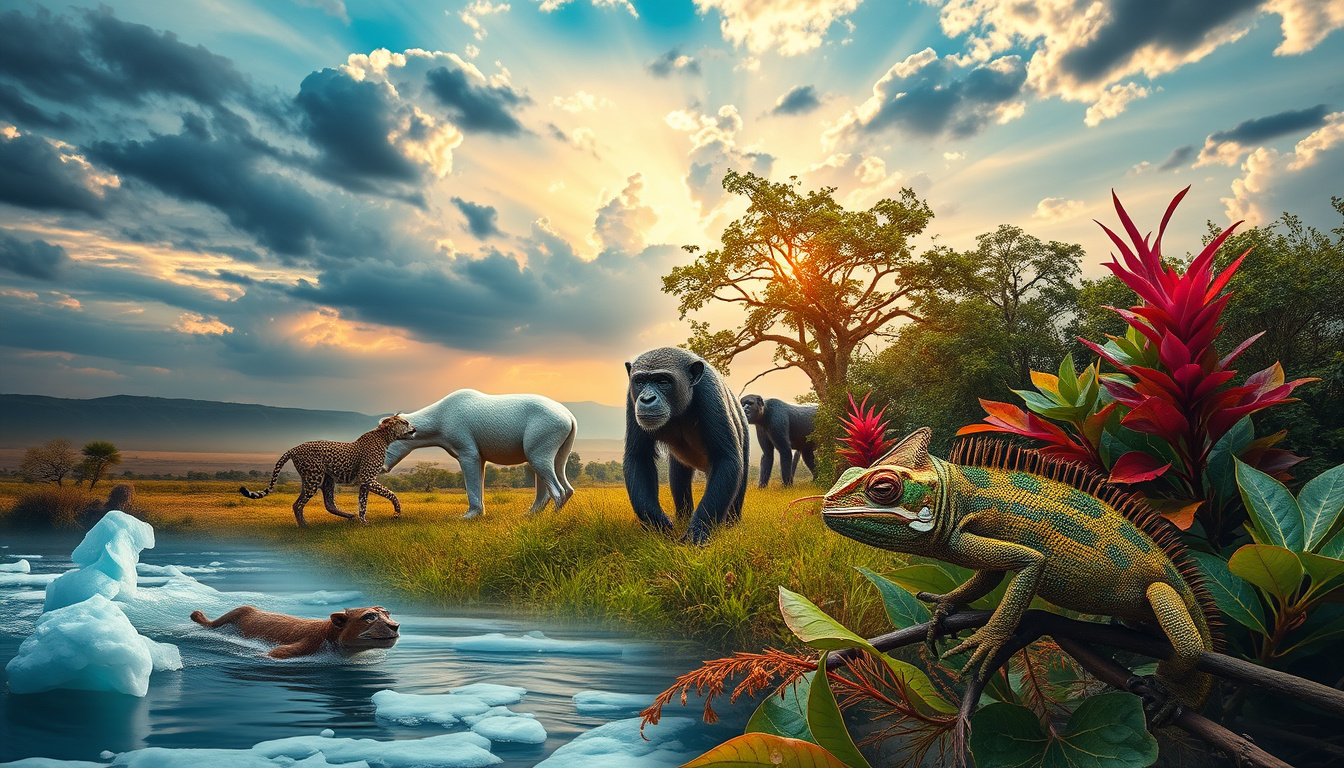
- Animal survival strategies are vital for species persistence in the wild.
- Camouflage techniques help animals evade predators and enhance hunting success.
- Migration is a key survival tactic that allows animals to find food and suitable habitats.
- Hibernation and torpor enable animals to conserve energy during unfavorable conditions.
- Social structures among animals demonstrate the importance of teamwork for survival.
Introduction to Animal Survival Strategies
When it comes to the natural world, the duel between survival and extinction plays out every day, reminding us of the powerful instinct that governs all living beings.
From the sprawling savannahs of Africa to the dense jungles of the Amazon, animals have developed intricate survival strategies that are as diverse as the environments they inhabit.
Understanding these animal survival strategies is essential not only for scientists studying ecosystems but also for travelers looking to connect with nature on a deeper level.
These strategies reflect a fascinating interplay of behavior, adaptability, and intelligence, showcasing how species have evolved over millennia to thrive in ever-changing conditions.
Whether it’s the cunning tactics of a predator, the camouflage of a prey animal, or the communal efforts of pack hunting, each strategy offers a glimpse into the extraordinary lives of wildlife and the delicate balance of life on Earth.
Camouflage: The Art of Disguise
In the grand theater of the animal kingdom, where survival is the ultimate goal, one of the most remarkable strategies that has evolved is camouflage.
This potent tool acts as nature’s very own magician, allowing creatures to blend seamlessly into their surroundings.
From the vibrant hues of a chameleon that shift with its environment to the mottled fur of a snow leopard that mirrors the rocky terrains of the mountains, camouflage exemplifies the fascinating complexity of animal survival strategies.
The essence of camouflage lies in its simplicity and effectiveness; it allows animals to remain unseen by both predators and prey, thus enhancing their chances of survival.
Consider a leaf-tailed gecko, with its uncanny ability to resemble the foliage on which it sits.
This extraordinary adaptation not only protects it from hungry eyes but also aids in ambushing unsuspecting insects that wander too close.
Notably, this strategy isn’t limited to just visual concealment; some animals utilize sound or scent as part of their camouflage tactics.
For example, the African club-winged manakin uses unique wing sounds to distract potential threats while remaining mostly invisible.
The development of camouflage represents a profound relationship between an organism and its habitat, showcasing the intricate dance of adaptation being played out over millennia.
As environments evolve due to factors such as climate change or habitat destruction, the effectiveness of these animal survival strategies must continuously adapt, demonstrating the resilience and ingenuity inherent in life itself.
‘The greatest threat to our planet is the belief that someone else will save it.’ – Robert Swan
Migration: Traveling for Survival
In the animal kingdom, survival hinges on an astonishing array of strategies, and migration stands as one of the most remarkable.
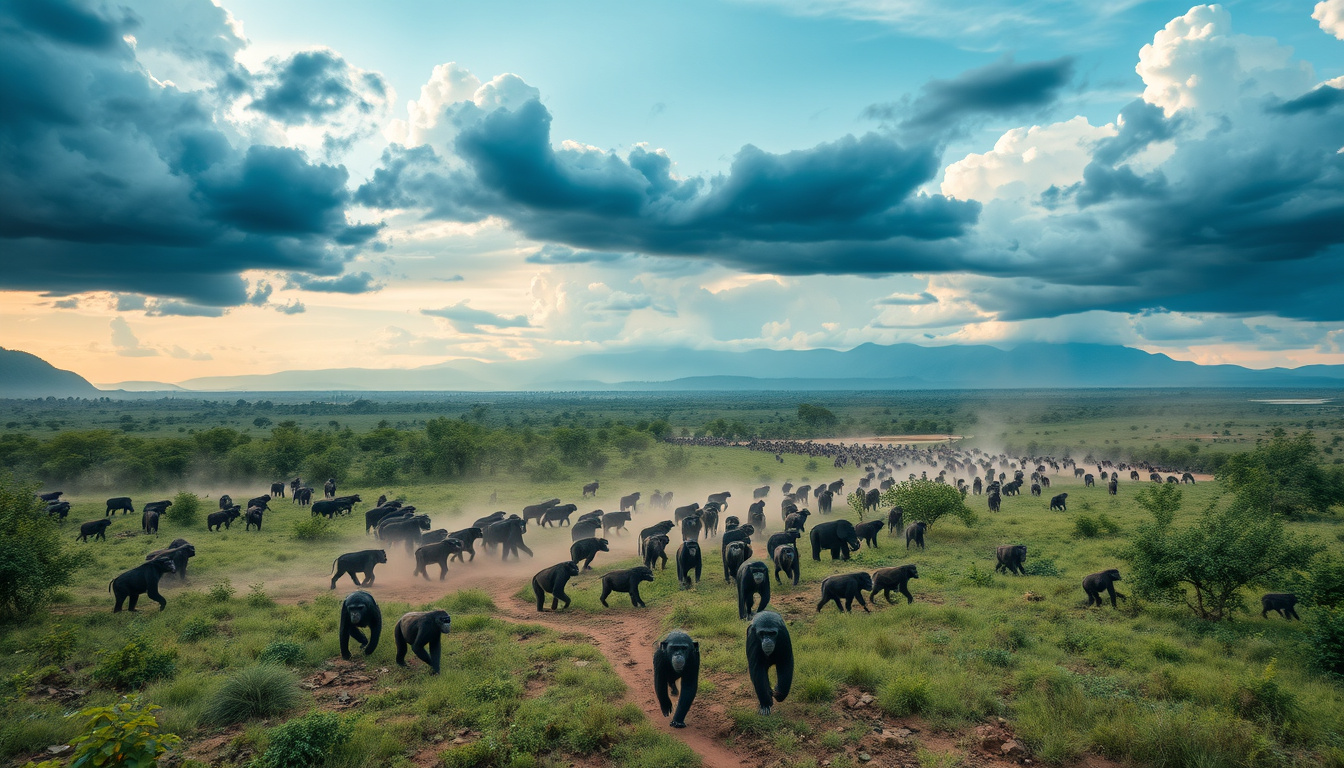
Every year, millions of creatures embark on epic journeys, crossing vast distances to access food, shelter, and suitable breeding grounds.
From the great wildebeest migration across the Serengeti to the annual journey of Arctic terns that spans over 70,000 kilometers, these journeys embody the essence of animal survival strategies.
But why do these animals migrate?
The catalysts vary, influenced by environmental changes, food availability, and seasonal weather patterns.
Animals that engage in migration not only showcase their incredible navigational skills but also highlight an innate adaptability key to their survival.
For many species, staying in one place can lead to catastrophic consequences, particularly during harsh weather conditions or when resources become scarce.
Take, for instance, the monarch butterfly, which journeys thousands of miles from North America to central Mexico each fall, instinctively following a path its ancestors have traveled before.
Such remarkable travel is facilitated by biological clocks and environmental cues, showcasing how species have evolved complex strategies to enhance their chances of survival.
Hibernation and Torpor: Nature’s Pause Button
Hibernation and torpor are fascinating examples of animal survival strategies that allow species to endure the harshest seasons when food is scarce and conditions become unfriendly.
Hibernation, often associated with mammals like bears, involves entering a state of deep sleep where metabolic rates drop significantly, allowing them to conserve energy when resources are limited.
On the other hand, torpor is a shorter-term response seen in various insects, birds, and small mammals.
It permits these creatures to temporarily lower their body temperature and reduce metabolic activity, thereby slipping into a deep, energy-efficient slumber for just a night or a few days.
Both strategies highlight the remarkable adaptability of wildlife, directly linking to how these animals respond to their environment and the intricate balance of ecosystems they inhabit.
Understanding these natural pauses not only sheds light on survival but also offers insight into the resilience and intelligence of the animal kingdom.

Social Structures: Teamwork in the Wild
In the intricate dance of nature, the concept of animal survival strategies often hinges on one fundamental principle: teamwork.
Across the animal kingdom, species exhibit remarkable social structures that enhance their chances of survival.
Whether it’s the tightly-knit packs of wolves orchestrating a hunt or the synchronized movements of a school of fish evading predators, these collaborative behaviors are fine-tuned survival strategies.
By working together, animals can achieve what they could not accomplish alone—be it hunting for food, raising young, or defending their territory.
Take, for example, the African wild dogs, which employ strategic hunting tactics by using their endurance and ability to communicate with each other.
Their success rate is astonishingly high, proving that teamwork amplifies individual capabilities.
Similarly, elephants, known for their matriarchal societies, exhibit profound cooperation in caring for their young—a strategy that not only ensures the survival of offspring but also reinforces social bonds within the herd.
In this world where each species faces threats from its environment, the intricate web of social structures becomes a crucial element of their survival strategies.
Frequently Asked Questions
What are animal survival strategies?
Animal survival strategies are the techniques and behaviors that animals develop to avoid predators, find food, and thrive in their environments.
These can include camouflage, migration, hibernation, social structures, and various adaptations.
How does camouflage help animals survive?
Camouflage helps animals blend into their surroundings, making it harder for predators to spot them.
This can involve color matching, patterns, or physical alterations that allow them to hide in their natural habitat.
Why do animals migrate?
Animals migrate to find better living conditions, access to food sources, or more favorable climates.
Migration helps them survive seasonal changes and ensure reproductive success.
What is hibernation and why is it important for survival?
Hibernation is a state of reduced metabolic activity that some animals enter to survive periods of food scarcity and harsh environmental conditions, such as winter.
It allows them to conserve energy while minimizing the risk of starvation.
How do social structures contribute to animal survival?
Social structures enhance survival by allowing animals to work together in groups for protection, foraging, and raising offspring.
Cooperative behaviors can increase efficiency in resource gathering and improve defense against predators.
If this story sparked your curiosity, you can experience it firsthand.
Bushman Safaris offers curated chimpanzee tracking experiences in Uganda, including access to Kibale National Park and the Ngogo region where these remarkable behaviors have been observed.
For our top 3 recommended Uganda chimpanzee tours, simply text “chimpanzee” to info@bushmansafaris.com
or WhatsApp +256 704 902398, and we’ll send you tailored options based on your travel preferences.
“`