

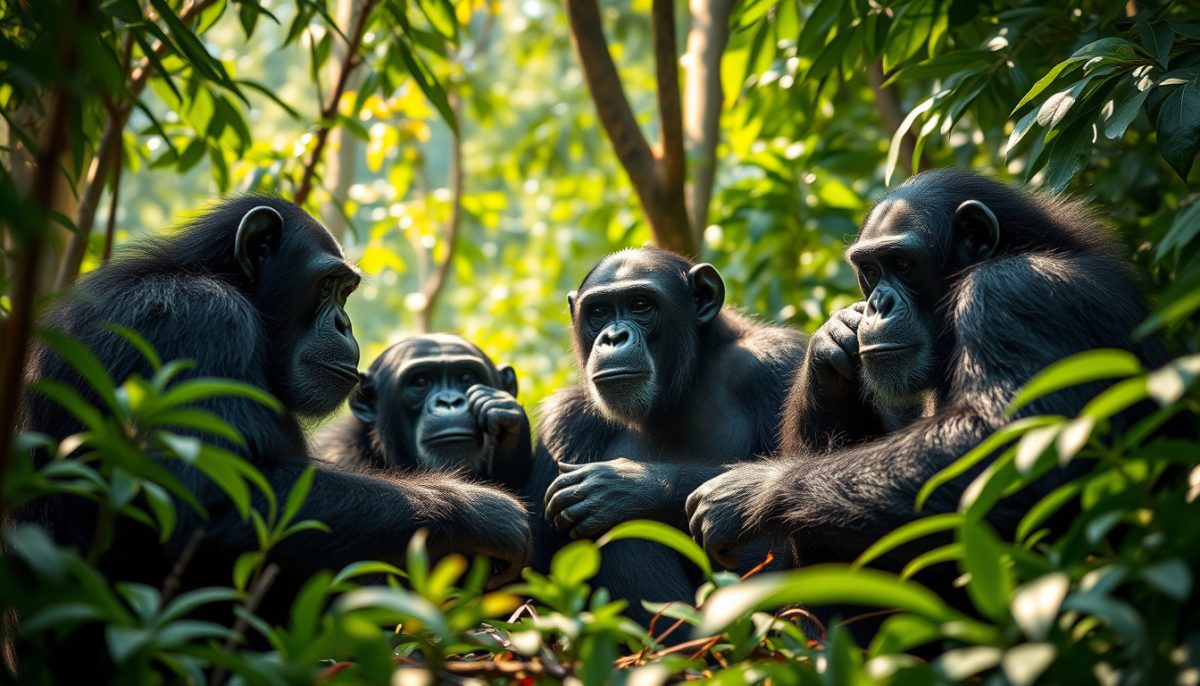
Unveiling Strategies: Exploring How Chimpanzees Organize Attacks in the Wild
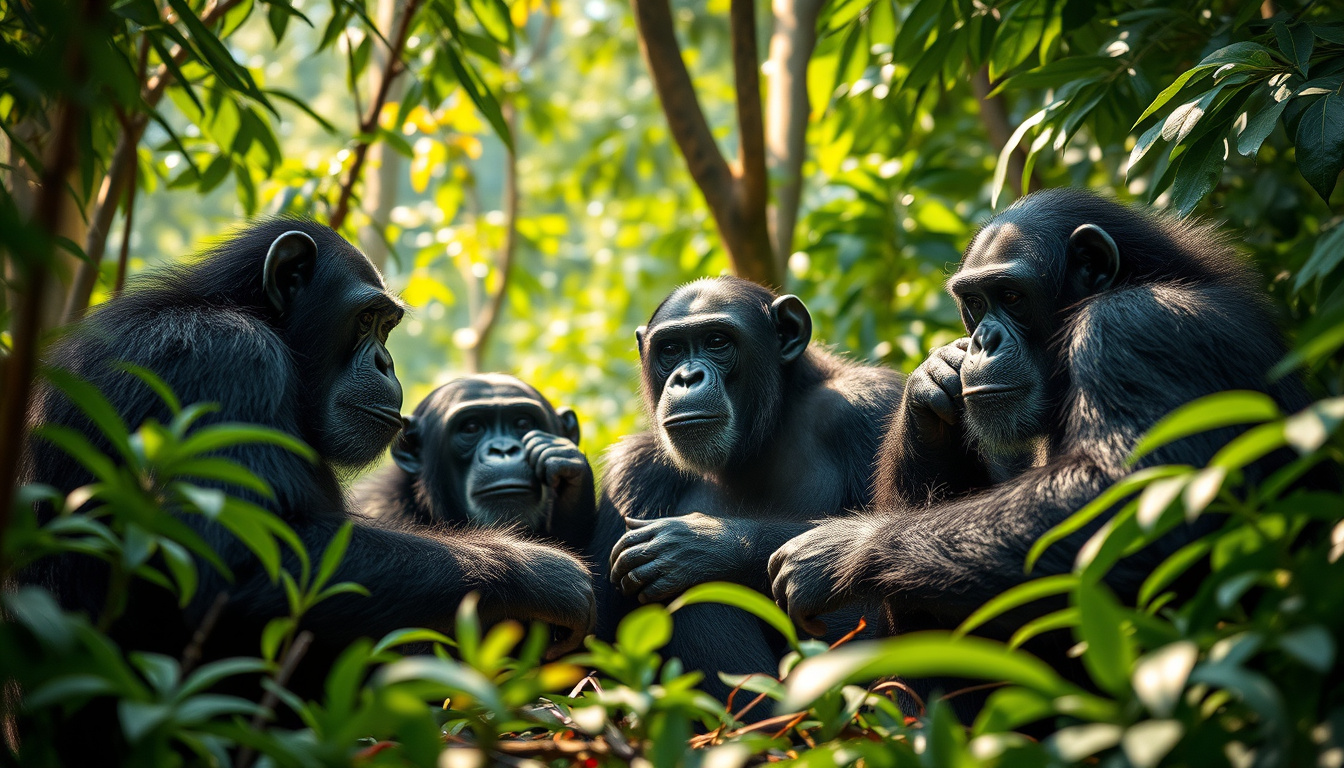
In the heart of the dense Ugandan rainforest, where towering trees cradle the secrets of nature, an intricate drama unfolds. Beneath the lush emerald canopy, chimpanzees engage in complex social interactions that reveal a side rarely visible to the untrained eye.
What truly sets these remarkable primates apart is their capacity to organize attacks, a behavior steeped in strategy and intelligence. As we delve deeper into the world of these fascinating creatures, we explore the question: how do chimpanzees organize attacks in the wild?
Through intricate social structures, sophisticated communication, and psychological underpinnings, chimpanzees navigate their forests with a social acumen that can rival our own. Join us on this captivating journey into their world, where aggression, strategy, and survival converge.
Key Takeaways
- Chimpanzee social structures are complex and crucial for their attack strategies.
- Aggressive behavior in chimpanzees is influenced by social dynamics and environmental factors.
- Communication among chimpanzees is vital for the success of their attacks.
- Strategic planning involves risk and opportunity assessments during aggressive encounters.
- Understanding chimpanzee attack behavior is essential for their conservation and the preservation of their natural habitats.
Introduction to Chimpanzee Social Structure
In the dense jungles of Uganda, where lush foliage meets the wild calls, the complex tapestry of chimpanzee society unfolds. But, how do chimpanzees organize attacks against their rivals? This intriguing question leads us deep into the heart of their social structures and behaviors.
Unlike the chaotic confrontations often depicted in popular media, chimpanzee aggression is rooted in a sophisticated social hierarchy characterized by alliances, power dynamics, and intricate relationships. At the foundation of this social structure lies a clear dominance hierarchy, with alpha males at the lead, while coalitions of individuals collaborate to fend off intruders or assert territorial claims.
Understanding these dynamics not only highlights the advanced intellect of our primate relatives but also presents a compelling case for how we, as humans, can learn from their strategies in conflict resolution. This article will explore the fascinating world of chimpanzee organization, drawing parallels to our own social behaviors and providing insights that enrich our observations of these remarkable creatures in their natural habitat.
Understanding Aggressive Behavior in Chimpanzees
In Uganda’s pristine forests, a profound world thrives, echoing with the intensity of a wildlife documentary. Here, within the verdant canopies, primal roars reverberate, painting a vivid picture of social complexity and instinctual survival.
Witnessing these remarkable creatures from a safe distance, you might ponder: How do chimpanzees organize attacks? The answer lies in their sophisticated social structures and behaviors—an astonishing blend of intellect, emotion, and instinct.
The Role of Communication in Coordinating Attacks
Chimpanzees exhibit fascinating complexity in their behaviors, particularly regarding coordinating attacks. Like humans, they rely heavily on a sophisticated communication system enabling strategic information sharing and unified efforts.
For a successful attack—whether against a rival troop or during hunting—their success largely depends on effective communication. This is multifaceted, incorporating vocalizations, gestures, and facial expressions. Vocal calls like pant-hoots minimize ambiguity and ensure unified action, while gestural communication directs attention towards specific targets or coordinates movements in preparation for assault.
The effectiveness of their communication can be influenced by factors such as strong social bonds, fostering group cohesion. These dynamics go beyond mere vocalizations; they are vital components of chimpanzee social life, enhancing their chances for successful outcomes during attacks and reflecting their deep-rooted intelligence and emotional interconnectedness within their communities.
Strategic Planning: Factors Influencing Attack Decisions
In Uganda’s jungles, our closest animal relatives demonstrate behaviors that blur instinct and strategy lines, particularly when organizing attacks. How do chimpanzees organize attacks? Exploring this leads us into their cognitive abilities and the ecological pressures shaping their aggressive interactions.
The decision-making processes in their strategic planning for territorial disputes and resource acquisition are influenced by several factors. Social hierarchies and alliances dictate participation in attacks where higher-ranking males usually mobilize a group effectively. Environmental factors like resource scarcity can necessitate strategic planning for successful raiding.
Chimpanzees also possess advanced cognitive skills enabling them to assess risks and predict rival responses, showing a profound understanding of conflict dynamics. These strategies are akin to human military tactics, illustrating their sophisticated handling of social challenges.

Case Studies: Documented Attacks in the Wild
Understanding how chimpanzees organize attacks involves both their instinctual behaviors and strategic thinking. Documented cases, like those in the Mahale Mountains National Park or the Ngogo community in Kibale National Park, reveal that chimpanzees do not rely solely on instinct—they use social bonds and cognitive strategies to achieve their competitive social goals. These insights not only enhance our understanding of chimpanzees but also illuminate the roots of human aggression and social strategies.
Frequently Asked Questions
How do chimpanzees organize attacks in the wild?
Chimpanzees organize attacks through their social structures, strategic communication, and careful planning. They form coalitions based on social hierarchies and use various communication forms to coordinate their actions effectively.
What factors influence chimpanzee attack decisions?
The decision to attack is influenced by social relationships, environmental contexts, and past experiences, which play crucial roles in how and when they engage in aggressive behaviors.
What is the significance of communication in chimpanzee attacks?
Communication is essential for coordinating effective attacks, rallying group members, and ensuring alignment before initiation, highlighting their sophisticated social dynamics.
Can you provide examples of documented chimpanzee attacks?
Several case studies document chimpanzee attacks, including conflicts over territory and organized group attacks, showcasing their ability to execute complex strategic maneuvers.
How does understanding chimpanzee attack behavior contribute to conservation efforts?
Insights into chimpanzee attacks inform conservation strategies by highlighting the need for preserving their natural behaviors and community dynamics, crucial for their survival and ecological balance.
If this story sparked your curiosity, experience it firsthand. Bushman Safaris offers top chimpanzee tracking experiences in Uganda, including in Kibale National Park and the Ngogo region. For our recommended tours, text “chimpanzee” to info@bushmansafaris.com or WhatsApp +256 704 902398.