

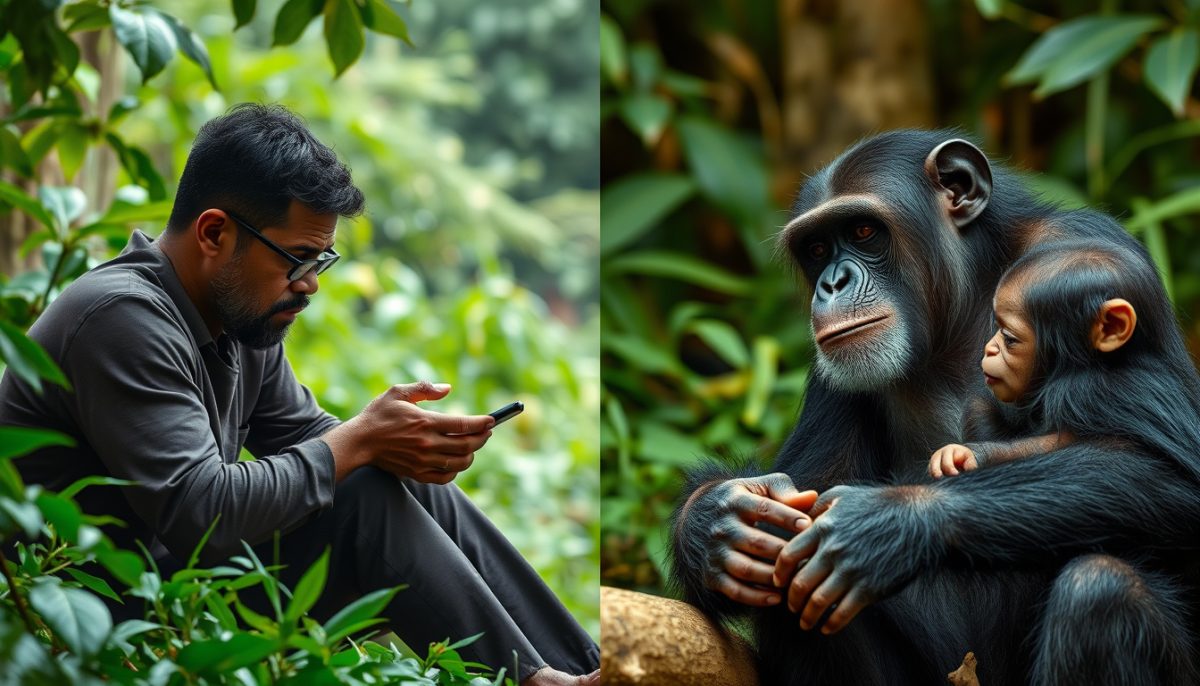
Exploring Differences in Human vs Chimpanzee Behavior: Insights into Our Closest Relatives
In the twilight of an African evening, the enchanting sounds of the jungle come alive, echoes of distant calls intertwining with the rustling of leaves. Amidst the lush greenery of Uganda, one can come face to face with our closest relatives—the chimpanzees. Watching these intelligent beings, you might feel a surge of curiosity as they navigate their world with striking similarities and profound differences to us humans.
By unraveling the mysteries behind human vs chimpanzee behavior, we can gain insightful perspectives into our own existence, prompting us to reflect on what makes us uniquely human.
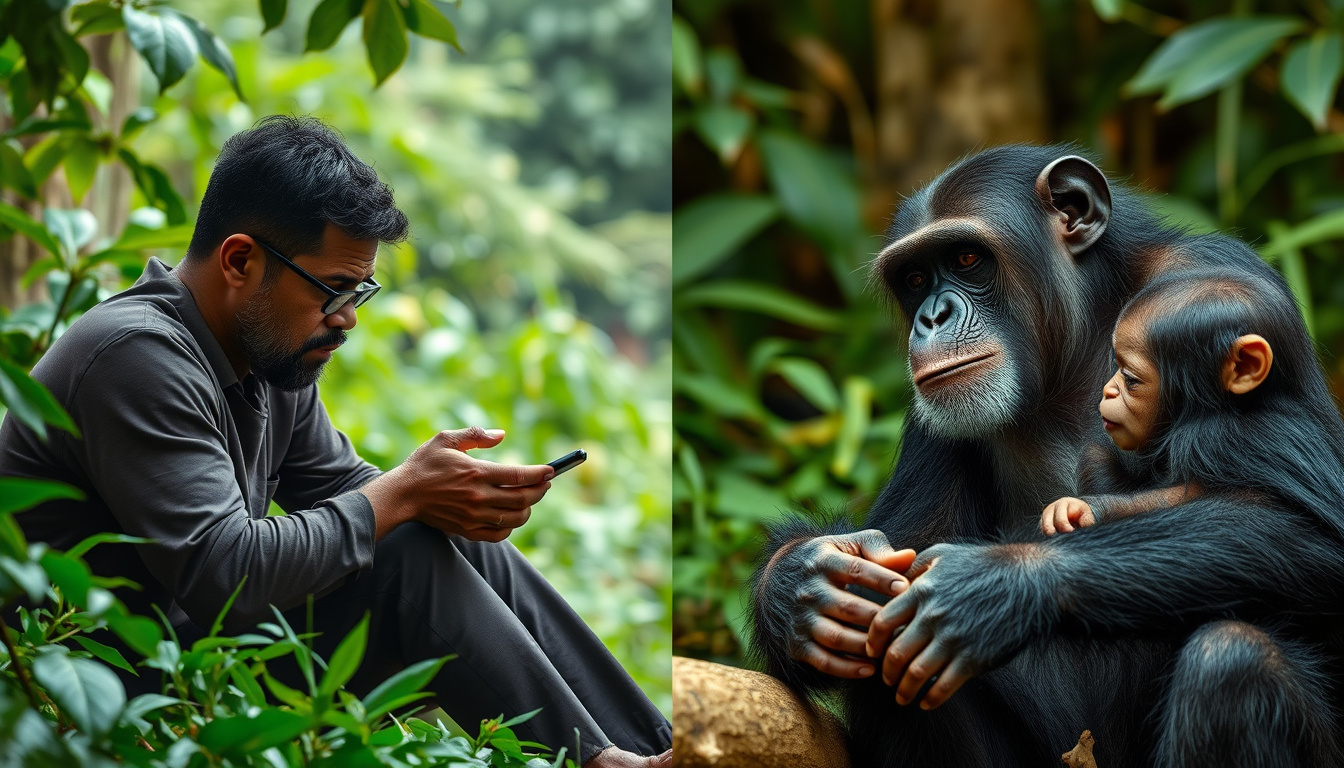
Key Takeaways
- Humans and chimpanzees share a common ancestor, highlighting both their similarities and differences in behavior.
- Chimpanzees exhibit impressive problem-solving skills, though humans outshine them in complex cognitive tasks.
- Social structures in both species reveal unique patterns of cooperation and competition, influencing group dynamics.
- Communication in chimpanzees includes vocalizations and gestures, but human language exhibits greater complexity and nuance.
- Emotional expression and empathy are observed in both species, offering insights into the evolution of these traits.
Overview of Human and Chimpanzee Evolution
The story of human and chimpanzee behavior encompasses fascinating parallels and profound differences, rooted in our shared evolutionary ancestry. As members of the primate family, both species display behaviors shaped by their environments and social structures. Understanding the nuances of human vs chimpanzee behavior sheds light on our development and reveals the evolutionary strategies that enable chimpanzees to thrive in their natural habitats. This comparative examination helps us appreciate the intricate web of evolutionary traits that connect us while highlighting the unique paths taken by each species.
Cognitive Abilities: Problem-Solving Skills
When we delve into the realm of cognition, comparisons between human and chimpanzee behavior spotlight our evolutionary similarities. Both species exhibit remarkable problem-solving skills, but the approaches and complexities vary significantly. Chimpanzees demonstrate impressive cognitive flexibility by employing tools, planning, and foresight. Humans, however, utilize sophisticated tools and technology, and our problem-solving often involves abstract thinking and social cooperation. This difference underscores a profound truth about evolution: while humans have advanced capabilities, chimpanzees offer invaluable insights into the roots of intelligence.
‘The animal’s intelligence is measured by the complexity of its communication; chimpanzees, much like us, weave their thoughts into expressions and actions, revealing the delicate tapestry of social understanding.’ – Unknown
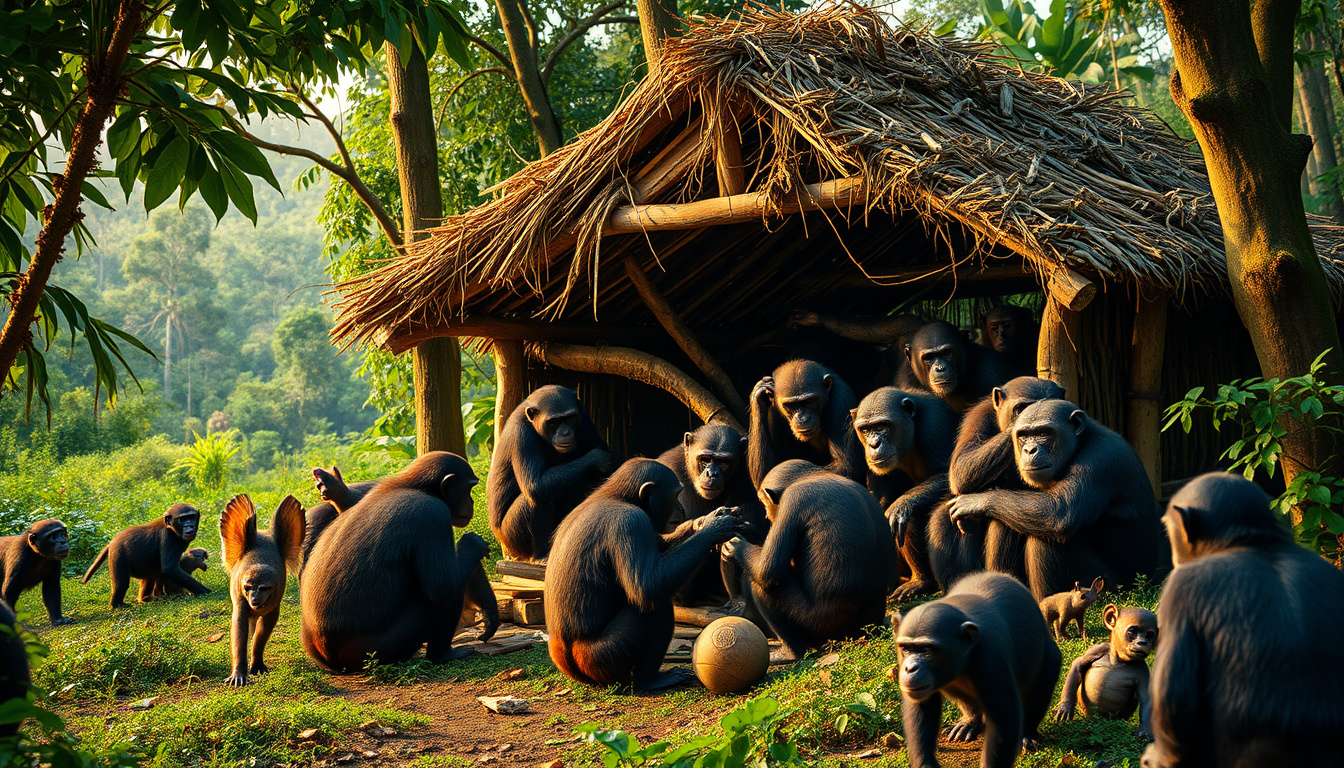
Social Structures: Cooperation and Competition
Exploring the social structures of our closest relatives offers a fascinating tapestry of cooperation and competition. Chimpanzees thrive within complex social hierarchies, exhibiting behaviors like forming alliances and engaging in competitive displays. Humans have more intricate social structures allowing for diverse forms of cooperation. Observing these dynamics during a chimpanzee tracking safari in Uganda provides profound insights into the evolutionary roots of our social interactions.
Communication: Types and Complexity
The realm of communication between humans and chimpanzees showcases a fascinating contrast. Chimpanzees communicate through vocalizations, gestures, and facial expressions, with each call playing a vital role in survival and cohesion within their groups. Humans transcend these methods, using structured language to express abstract ideas and emotions. Despite these differences, both species demonstrate a fundamental need to connect, which highlights a potential evolutionary link.
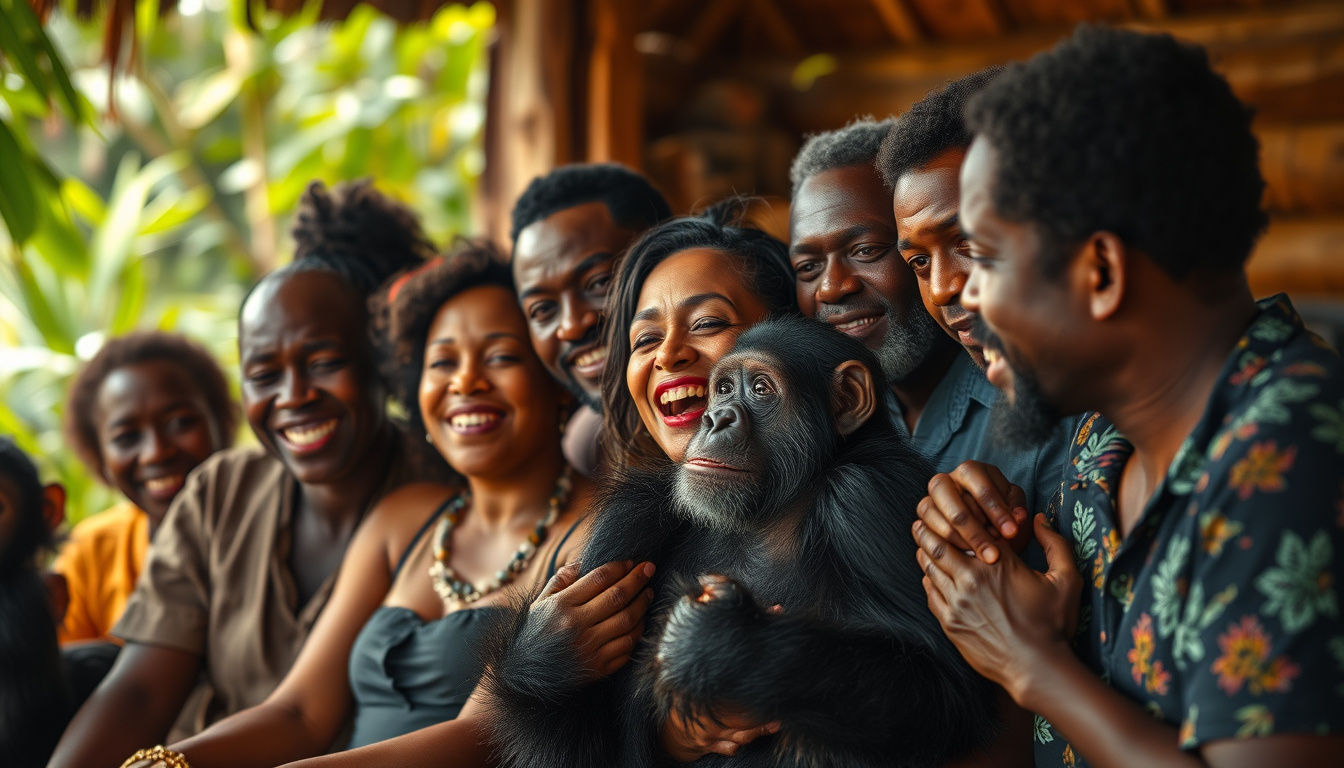
Emotional Expression and Empathy
In examining emotional expression and empathy, intriguing narratives arise from the differences and similarities between humans and chimpanzees. Both species express a range of emotions, and observing chimpanzees in their natural habitat can deepen our understanding of our own emotional bonds. The capacity for empathy enhances social cohesion and is fundamental in exploring our evolutionary paths.
Frequently Asked Questions
What are the key differences in cognitive abilities between humans and chimpanzees?
Humans exhibit more advanced problem-solving skills, while chimpanzees use basic tools and have less developed planning abilities.
How do the social structures of humans and chimpanzees differ?
Chimpanzees emphasize hierarchy and dominance, while human structures allow for diverse cooperation and complex societal roles.
In what ways do humans and chimpanzees communicate?
Chimpanzees rely on vocalizations and gestures, whereas humans use structured language, allowing for more complex communication.
What role does empathy play in the behavior of humans and chimpanzees?
Both species display empathy, but humans can experience it more broadly across varying contexts and with unrelated individuals.
Why is understanding the differences in behavior between humans and chimpanzees important?
Studying these behavioral differences provides insights into human evolution and informs various scientific fields, enhancing our understanding of ourselves and our closest relatives.
If this story sparked your curiosity, experience it firsthand. Bushman Safaris offers tailored chimpanzee tracking experiences in Uganda. For our top recommendations, simply text “chimpanzee” to info@bushmansafaris.com or WhatsApp +256 704 902398.